
What is the response time of the controls on a sewer camera?
Leave a message

What is the response time of the controls on a sewer camera?
As a supplier of sewer cameras, I often receive inquiries from customers about various technical aspects of our products. One question that comes up quite frequently is about the response time of the controls on a sewer camera. In this blog post, I'll delve into what response time means in the context of sewer cameras, why it matters, and factors that can affect it.
Understanding Response Time
Response time refers to the interval between when an operator initiates a control action on the sewer camera system and when the camera actually executes that action. For example, when you use the joystick on the control unit to pan the camera left or right, the response time is the time it takes for the camera head to start moving in the desired direction. Similarly, if you adjust the zoom level or change the lighting settings, the response time is the duration until the camera reflects these changes.
Why Response Time Matters
- Efficiency of Inspections
A quick response time is crucial for efficient sewer inspections. When inspectors are navigating through pipes, they need to be able to react promptly to what they see on the monitor. For instance, if they spot a potential blockage or damage, they may want to quickly zoom in or pan the camera to get a better view. A long response time can lead to delays in gathering important information, which can slow down the entire inspection process. - Accuracy of Data Collection
Inaccurate data collection can occur if the camera does not respond quickly to control inputs. If an inspector tries to capture an image of a specific feature but the camera takes too long to adjust its position or focus, the resulting image may be blurry or off - target. This can lead to misinterpretation of the sewer conditions and inaccurate reporting. - Operator Comfort and Safety
Inspecting sewers can be a challenging and sometimes dangerous task. A sewer camera with a fast response time allows operators to control the camera smoothly and with less frustration. This reduces operator fatigue and makes the inspection process safer, as operators can focus more on the task at hand rather than struggling with a slow - responding camera.
Factors Affecting Response Time
- Hardware Quality
The quality of the camera's internal components plays a significant role in determining response time. High - end cameras are often equipped with advanced processors and motors that can execute control commands more quickly. For example, a camera with a powerful microprocessor can process input signals from the control unit faster, resulting in a shorter response time. - Cable Length and Quality
The cable that connects the camera head to the control unit can also impact response time. Longer cables can introduce signal delays, especially if they are of poor quality. As the control signals travel through the cable, they can be subject to interference and attenuation, which can slow down the communication between the control unit and the camera head. - Software Optimization
The software that manages the camera's functions is another important factor. Well - optimized software can streamline the processing of control commands and ensure that they are executed efficiently. On the other hand, poorly written software may introduce unnecessary delays or glitches, leading to a longer response time.
Our Sewer Cameras and Response Time
At our company, we understand the importance of fast response times in sewer camera systems. That's why we invest heavily in research and development to ensure that our cameras offer the best possible performance. Our cameras are equipped with high - quality hardware components, including advanced processors and precision motors, which enable them to respond quickly to control inputs.
We also pay close attention to cable design and quality. Our cables are engineered to minimize signal loss and interference, even over long distances. This ensures that the control signals are transmitted accurately and quickly between the control unit and the camera head.
In addition, our software is continuously optimized to improve the overall performance of the camera system. We regularly release software updates to address any issues and to enhance the responsiveness of the controls.
Related Products
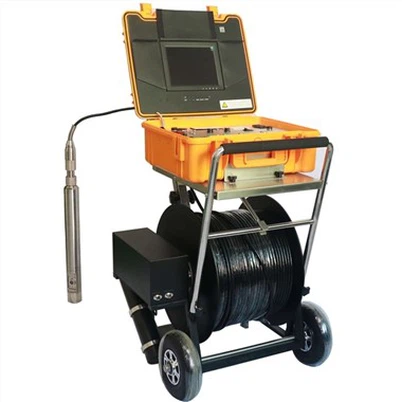
If you're interested in other types of inspection cameras, we also offer a range of related products. For example, our Factory Borehole Water Well Camera is designed for inspecting boreholes and water wells. It provides high - resolution images and has a fast response time, making it ideal for detailed inspections.
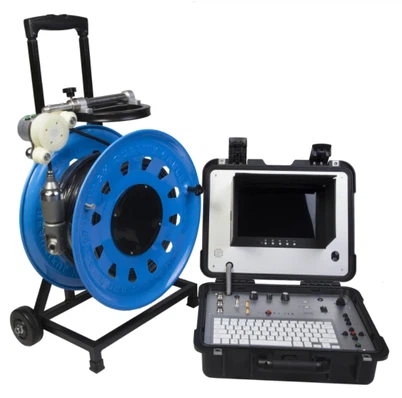
Our Borehole Deep Water Inspection Camera is specifically designed for deep - water applications. It can withstand high pressures and has excellent low - light performance, ensuring reliable operation in challenging environments.
Another option is our Borewell Inspection Camera, which is suitable for inspecting small - diameter borewells. It offers a compact design and easy - to - use controls, making it a popular choice among contractors and inspectors.
Contact Us for Purchase and Negotiation
If you're in the market for a high - quality sewer camera or any of our other inspection cameras, we encourage you to contact us. Our team of experts is ready to assist you in choosing the right product for your specific needs. We can also provide detailed information about pricing, warranty, and after - sales support. Whether you're a large - scale contractor or a small - business owner, we're committed to providing you with the best possible solutions at competitive prices.


References
- "Principles of Sewer Inspection Technology" - A technical guide on sewer inspection equipment and methods.
- "Advances in Camera Control Systems for Industrial Applications" - Research paper on the latest developments in camera control technology.