
What is the heat dissipation capacity of an ROV robot?
Leave a message

Alright, as an ROV robot supplier, one question that often pops up from our customers is, "What is the heat dissipation capacity of an ROV robot?" Well, let's dive right into it and break this down in simple, everyday language.
First off, what's an ROV robot? For those who might not know, ROV stands for Remotely Operated Vehicle. These are nifty little machines that are used in all sorts of underwater applications, like inspecting oil and gas pipelines, checking out shipwrecks, or even helping with scientific research. They're basically like your own personal underwater spy, controlled from the surface.

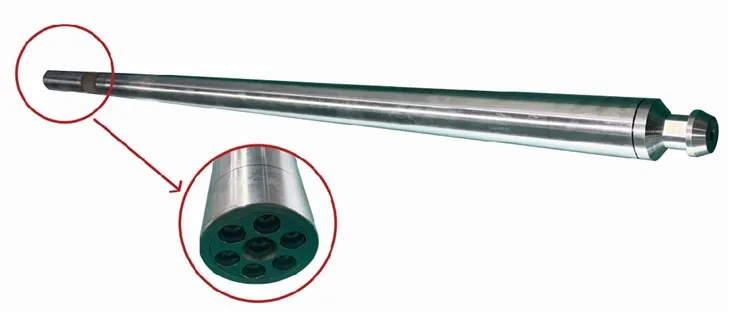
Now, let's talk about heat. Just like any other machine, ROV robots generate heat when they're in operation. All those motors, electronics, and sensors working hard can really start to heat things up. And if that heat isn't managed properly, it can cause some serious problems, like reduced performance or even damage to the components.
So, what determines the heat dissipation capacity of an ROV robot? There are a few key factors here.
1. The Design of the ROV
The physical design of the ROV plays a huge role in how well it can dissipate heat. For example, the shape and size of the ROV's housing can affect the flow of water around it. A well - designed housing will allow water to flow smoothly over the components, carrying away heat. Some ROVs have fins or channels built into their design to help direct the water flow more effectively.
2. The Materials Used
The materials used in the construction of the ROV also matter. Metals, like aluminum, are good conductors of heat. So, if the ROV has parts made of aluminum, it can transfer heat from the internal components to the outer surface more easily. From there, the water can then carry the heat away. On the other hand, some plastics that are used in ROV construction are poor heat conductors. So, the design has to compensate for this to ensure proper heat dissipation.
3. The Cooling System
Many ROVs come equipped with a dedicated cooling system. This could be a simple heat sink, which is a piece of metal with fins that increases the surface area for heat to be transferred to the water. Or, it could be a more complex liquid - cooling system. In a liquid - cooling system, a coolant is circulated through the ROV, absorbing heat from the components and then transferring it to the water outside.
4. The Operating Environment
The temperature and flow rate of the water where the ROV is operating also have an impact on its heat dissipation capacity. Colder water can absorb heat more effectively than warmer water. And a higher flow rate of water around the ROV means that more heat can be carried away in a shorter period of time. For example, an ROV operating in a fast - flowing cold ocean current will have an easier time dissipating heat compared to one operating in a stagnant, warm water environment.
Let's take a look at some real - world scenarios where heat dissipation capacity is crucial. In the oil and gas industry, ROVs are often used to inspect pipelines deep underwater. These ROVs are usually equipped with powerful motors and high - tech sensors that generate a significant amount of heat. If the heat dissipation capacity isn't up to par, the ROV might malfunction, leading to costly delays in the inspection process.
That's why we, as an ROV robot supplier, pay a lot of attention to the heat dissipation capabilities of our products. We design and test our ROVs to ensure that they can handle the heat generated during long - term operations in various underwater conditions.
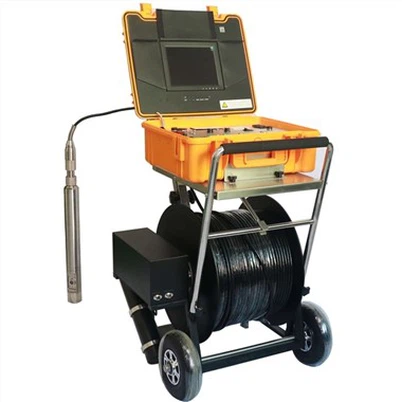
Now, if you're involved in the oil and gas industry, you might be interested in some of our specialized ROV - related products. For example, we have an Oil Gas Borehole Camera For 5000m that is built to withstand the harsh conditions of deep - sea oil and gas boreholes. It works in conjunction with our ROVs to provide high - quality imaging for inspections.
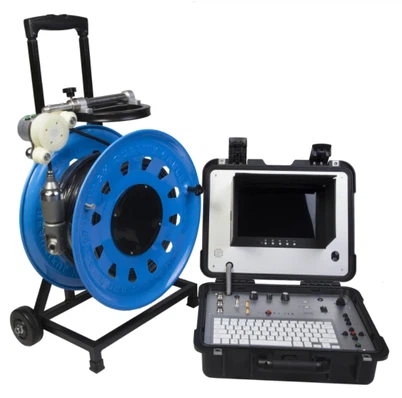
We also have a Hot Sale Borehole Inspection Camera that is popular among customers for its reliability and great image quality. And if you specifically need an oil well inspection solution, our Oil Well Downhole Inspection Camera is a top - notch option.
In conclusion, understanding the heat dissipation capacity of an ROV robot is essential for anyone looking to use these machines effectively. Whether you're in the oil and gas industry, marine research, or other underwater applications, you need an ROV that can handle the heat. As a trusted ROV robot supplier, we're here to help you find the right ROV for your needs. If you have any questions or are interested in purchasing our ROVs or related products, don't hesitate to reach out for a procurement discussion. We're always ready to talk about how our products can fit your requirements.
References
- "Underwater Robotics Handbook"
- Research papers on heat transfer in underwater environments
- Industry reports on the use of ROVs in oil and gas inspections