
Can ROV robots be used for underwater sports and entertainment?
Leave a message

Can ROV robots be used for underwater sports and entertainment? That's a question I've been getting a lot lately, and as a supplier of ROV robots, I'm stoked to dive into this topic.
First off, let's clarify what ROVs are. ROV stands for Remotely Operated Vehicle. These are unmanned submersibles that are controlled from the surface. They're equipped with cameras and sometimes other sensors, and they've traditionally been used for things like scientific research, oil and gas exploration, and underwater inspections. But as technology has advanced, the possibilities for ROVs have expanded, and I'm pretty convinced that underwater sports and entertainment are the next big frontier.
One of the most obvious ways ROVs can be used in underwater sports is for filming. Whether it's scuba diving, freediving, or underwater hockey, having an ROV capture the action from unique angles can take the viewing experience to a whole new level. Imagine watching a scuba diver exploring a shipwreck from the perspective of an ROV hovering just a few feet away. It's like being right there in the water with them! And for competitive underwater sports, ROVs can provide valuable footage for coaches and referees to analyze performance and make fair decisions.
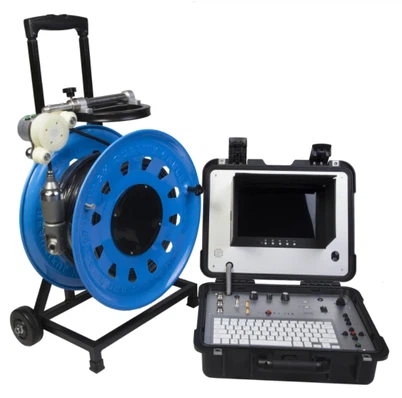
I remember a time when a group of freedivers came to us looking for an ROV to film their training sessions. They were blown away by the quality of the video our Factory Borehole Water Well Camera could capture. The camera was able to handle the low-light conditions underwater and provided crystal-clear footage of the divers as they descended into the depths. This not only helped the divers improve their technique but also allowed them to share their experiences with a wider audience on social media.
Another exciting application of ROVs in underwater entertainment is in the creation of immersive experiences. For example, theme parks and aquariums could use ROVs to lead virtual underwater tours. Visitors could sit in a cozy room and use a control console to direct an ROV as it explores a coral reef or swims alongside sharks. This would give people who may not have the opportunity to scuba dive a chance to experience the wonders of the underwater world up close.


We've also seen some innovative uses of ROVs in underwater treasure hunts. Imagine hiding small "treasures" like tokens or artifacts on the seabed and having participants use ROVs to find them. It's a fun and interactive way to engage with the underwater environment, and it can be easily adapted for different skill levels, from kids' parties to more challenging adult events.
But it's not just about the fun and games. ROVs also have the potential to enhance safety in underwater sports. For instance, they can be used to scout out dive sites before humans enter the water, looking for hazards like strong currents, sharp rocks, or submerged objects. In case of an emergency, an ROV can be quickly deployed to search for a missing diver or to provide real-time information to rescue teams.
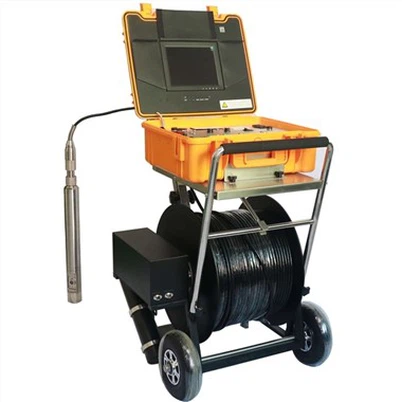
Our Deep Water Well Inspection Camera Underground Underwater Inspection Camera has been used in some safety-related scenarios. In one instance, a diving team was planning to explore a deep underwater cave. Before they entered, we sent the ROV in to map the cave system and check for any potential dangers. The ROV's high-resolution camera and advanced sensors were able to detect a narrow passage that was blocked by a large rock, which could have been a serious hazard for the divers. Thanks to the ROV's early warning, the team was able to adjust their plan and have a safe and successful dive.
Of course, there are some challenges to using ROVs in underwater sports and entertainment. One of the main issues is the cost. High-quality ROVs with advanced features can be quite expensive, which may limit their accessibility for some individuals and organizations. However, as technology continues to develop, the prices are gradually coming down, and we're seeing more affordable options on the market.
Another challenge is the need for proper training. Operating an ROV requires a certain level of skill and knowledge, especially when it comes to navigating in complex underwater environments. We at our company offer training programs to help our customers get the most out of their ROVs. We teach them how to control the vehicle, use the camera and sensors effectively, and troubleshoot common problems.
Now, if you're interested in incorporating ROVs into your underwater sports or entertainment activities, I'd love to have a chat with you. Whether you're a professional diving team, a theme park operator, or just an enthusiast looking to capture some amazing underwater footage, we have a range of ROVs to suit your needs. Our Borehole Inspection Camera is just one of the many high-quality products we offer. We can also provide customized solutions based on your specific requirements. So, don't hesitate to reach out and let's explore the exciting possibilities of underwater ROV technology together.
In conclusion, I firmly believe that ROV robots have a huge potential in underwater sports and entertainment. They offer a unique perspective, enhance safety, and open up new opportunities for fun and engagement. As the technology continues to evolve, I'm excited to see what other creative uses people come up with. So, if you're ready to take your underwater experiences to the next level, give us a shout and let's make it happen!
References
- General knowledge about ROV technology and underwater applications
- Case studies from our own experiences as an ROV supplier