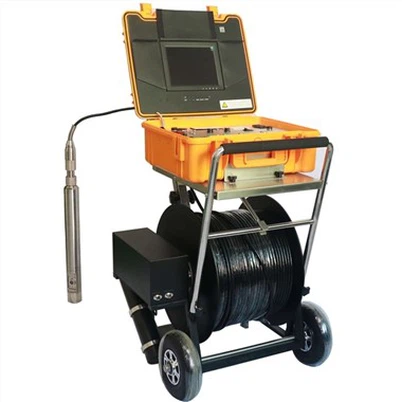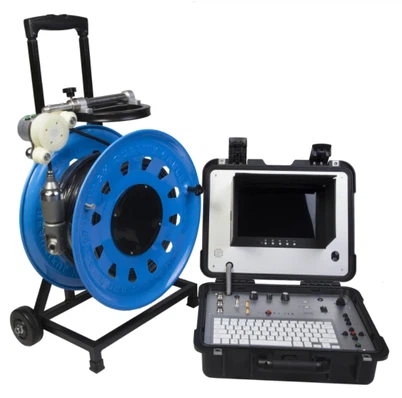

What is the battery type of the wells camera?
Leave a message

As a supplier of Wells cameras, I often get asked about the battery types used in our products. Understanding the battery type is crucial as it directly impacts the camera's performance, portability, and overall user experience. In this blog, I'll delve into the various battery types employed in Wells cameras, their advantages, and considerations for users.
Common Battery Types in Wells Cameras
Lithium - Ion Batteries
Lithium - ion batteries are one of the most popular choices for Wells cameras. These batteries offer several significant advantages. Firstly, they have a high energy density. This means that they can store a large amount of energy in a relatively small and lightweight package. For Wells cameras, which are often used in various field applications, the compact size and light weight of lithium - ion batteries are highly beneficial. They allow the camera to be more portable, making it easier for users to carry the camera to different locations, whether it's for industrial inspections, borehole surveys, or underwater explorations.
Secondly, lithium - ion batteries have a low self - discharge rate. This means that they can hold their charge for a long time when not in use. For example, if a user doesn't use the Wells camera for a few weeks or even months, the battery will still retain a significant portion of its charge. This is in contrast to some other battery types that may lose their charge quickly over time.
Another advantage is their long cycle life. A cycle refers to a full charge and discharge of the battery. Lithium - ion batteries can typically withstand hundreds or even thousands of charge - discharge cycles before their performance starts to degrade significantly. This makes them a cost - effective choice in the long run, as users don't have to replace the batteries as frequently.
However, lithium - ion batteries also have some drawbacks. They are more sensitive to high temperatures. If the battery is exposed to extreme heat, it can cause damage to the battery cells and reduce its overall lifespan. Additionally, they require a specialized charging circuit to ensure safe and proper charging.
Alkaline Batteries
Alkaline batteries are a more traditional option for Wells cameras. They are widely available and relatively inexpensive. One of the main advantages of alkaline batteries is their ease of replacement. Users can simply go to a local store and purchase a new set of alkaline batteries when the old ones run out. This is especially useful in situations where a quick battery replacement is needed, and there is no access to a charging station.
Alkaline batteries also have a relatively stable voltage output throughout their discharge cycle. This means that the camera can operate at a consistent level of performance until the battery is almost completely depleted. However, alkaline batteries have a lower energy density compared to lithium - ion batteries. This means that they need to be replaced more frequently, especially if the camera is used for extended periods.
Rechargeable Nickel - Metal Hydride (NiMH) Batteries
Rechargeable NiMH batteries are another option for Wells cameras. They offer a good balance between cost and performance. NiMH batteries have a higher energy density than alkaline batteries, which means they can provide more power and last longer. They are also rechargeable, which makes them a more environmentally friendly option compared to disposable alkaline batteries.
However, NiMH batteries have a higher self - discharge rate compared to lithium - ion batteries. This means that they will lose their charge more quickly when not in use. Additionally, they require a specific charger to ensure proper charging.
Battery Considerations for Different Camera Models
Borewell Inspection Camera
For the Borewell Inspection Camera, the choice of battery depends on the specific requirements of the inspection. If the inspection is expected to be short - term and the camera needs to be highly portable, lithium - ion batteries may be the best choice. Their high energy density and long cycle life make them suitable for quick and efficient borehole inspections.
On the other hand, if the inspection is taking place in an area where access to a charging station is limited, alkaline batteries may be a more practical option. They can be easily replaced, ensuring that the camera can continue to operate without interruption.
Borehole Deep Water Inspection Camera
The Borehole Deep Water Inspection Camera often requires a battery that can provide a stable power supply for an extended period. Lithium - ion batteries are a popular choice in this case, as they can offer a long - lasting power source. Their low self - discharge rate also means that the camera can be left in standby mode for a while without losing much charge.
However, if the camera is used in a harsh environment where the temperature may fluctuate significantly, NiMH batteries may be a better option. They are more tolerant of temperature changes compared to lithium - ion batteries.
Underwater dual view borescope inspection camera
The Underwater dual view borescope inspection camera needs a battery that can support the high - resolution imaging and dual - view functionality. Lithium - ion batteries are often preferred due to their high energy output. They can power the camera's advanced features without draining quickly.
Factors to Consider When Choosing a Battery
Usage Time
If you plan to use the Wells camera for long periods, a battery with a high energy density, such as a lithium - ion battery, is recommended. This will ensure that the camera can operate continuously without the need for frequent battery changes.
Portability
For applications where the camera needs to be carried around a lot, a lightweight battery is essential. Lithium - ion batteries are a great choice in this regard, as they are compact and light.


Cost
Alkaline batteries are generally the most cost - effective option in the short term, as they are inexpensive to purchase. However, in the long run, rechargeable batteries like lithium - ion and NiMH may be more cost - efficient, as they can be reused multiple times.
Environmental Conditions
If the camera will be used in extreme temperatures, it's important to choose a battery that can withstand those conditions. Lithium - ion batteries are sensitive to high temperatures, while NiMH batteries are more tolerant.
Conclusion
In conclusion, the battery type of Wells cameras plays a crucial role in their performance and usability. Lithium - ion batteries offer high energy density, long cycle life, and low self - discharge rate, making them a popular choice for many applications. Alkaline batteries are easy to replace and widely available, while NiMH batteries provide a good balance between cost and performance.
If you are interested in purchasing Wells cameras or have any questions about the battery types, feel free to contact us for a detailed discussion. We can help you choose the right camera and battery combination based on your specific needs.
References
- Battery Technology Handbook, various authors
- Camera Manufacturer's Manuals for Wells Cameras