
Can a sewer camera be used to inspect septic systems?
Leave a message

Can a Sewer Camera be Used to Inspect Septic Systems?
As a seasoned supplier of sewer cameras, I've witnessed firsthand the transformative power of this technology in the realm of plumbing and wastewater management. One common question that frequently arises is whether a sewer camera can be effectively used to inspect septic systems. In this blog post, I'll delve into the details of this topic, exploring the capabilities of sewer cameras, the intricacies of septic systems, and how these two elements intersect.
Understanding Septic Systems
Before we discuss the use of sewer cameras, it's essential to understand what septic systems are and how they function. A septic system is an on - site wastewater treatment solution commonly used in areas where municipal sewer systems are not available. It consists of a septic tank and a drain field. The septic tank is a large, underground container that receives wastewater from a building. Inside the tank, solids settle to the bottom (forming sludge), while lighter materials like grease and oil float to the top (forming scum). The partially treated wastewater then flows out of the tank into the drain field, where it is further filtered and treated by the soil.
The Role of Sewer Cameras
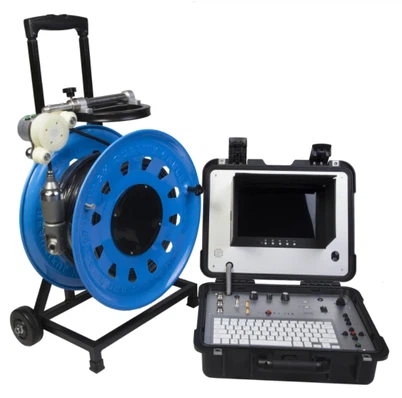
Sewer cameras are specialized tools designed to provide visual inspection of sewer lines and pipes. They typically consist of a flexible cable with a camera attached to one end and a monitor on the other. The camera can be inserted into the pipes, allowing plumbers and technicians to view the interior of the pipes in real - time. This technology has revolutionized the way plumbing issues are diagnosed, as it provides a clear and accurate view of the pipe's condition, including blockages, cracks, and root intrusions.
Using Sewer Cameras for Septic System Inspection
So, can a sewer camera be used to inspect septic systems? The answer is a resounding yes. Sewer cameras offer several advantages when it comes to septic system inspection:
- Diagnosing Blockages: One of the most common problems in septic systems is blockages. These can occur in the pipes leading to the septic tank, inside the tank itself, or in the drain field. A sewer camera can be inserted into the pipes to identify the exact location and cause of the blockage. For example, it can detect if a blockage is due to accumulated solids, tree roots, or a collapsed pipe.
- Assessing Tank Condition: The septic tank is a critical component of the system, and its condition can significantly impact the overall performance of the septic system. A sewer camera can be used to inspect the interior of the tank, checking for signs of corrosion, leaks, or damage. It can also help determine the level of sludge and scum accumulation, which is crucial for scheduling regular pumping.
- Evaluating Drain Field Health: The drain field is responsible for the final treatment of the wastewater. A sewer camera can be used to inspect the pipes in the drain field, looking for signs of clogging, damage, or improper flow. This information can help determine if the drain field needs maintenance or replacement.
Challenges and Considerations
While sewer cameras are a valuable tool for septic system inspection, there are some challenges and considerations to keep in mind:
- Tank Access: Accessing the septic tank for camera inspection can be challenging, especially if the tank is buried deep or has limited access points. Specialized equipment may be required to open the tank safely and insert the camera.
- Visibility: The visibility inside the septic tank can be limited due to the presence of sludge, scum, and wastewater. In some cases, the tank may need to be pumped or the water level lowered to improve visibility.
- Technical Expertise: Operating a sewer camera requires technical expertise. The technician needs to know how to navigate the camera through the pipes, interpret the images, and make accurate diagnoses.
Our Sewer Camera Solutions
As a sewer camera supplier, we offer a range of high - quality sewer cameras that are suitable for septic system inspection. Our cameras are equipped with advanced features such as high - resolution imaging, adjustable lighting, and flexible cables to ensure clear and accurate inspections.
In addition to our standard sewer cameras, we also offer specialized cameras for specific applications. For example, our Borewell Inspection Camera is designed for inspecting borewells and deep water sources. It is waterproof and can withstand high pressures, making it ideal for challenging environments.


Our Borehole Deep Water Inspection Camera is another excellent option for deep - water inspections. It has a long cable and a powerful light source, allowing for detailed inspections of boreholes and water wells.
If you're looking for a reliable and cost - effective solution for borehole water well inspection, our Factory Borehole Water Well Camera is the perfect choice. It is designed for industrial use and offers high - performance imaging and durability.
Conclusion
In conclusion, sewer cameras are a valuable tool for inspecting septic systems. They can provide detailed information about the condition of the pipes, tank, and drain field, helping to diagnose problems and plan appropriate maintenance and repairs. However, it's important to consider the challenges and limitations of using sewer cameras and to ensure that the inspection is carried out by a qualified technician.
If you're in the market for a sewer camera for septic system inspection or any other plumbing application, we invite you to contact us. Our team of experts is ready to assist you in choosing the right camera for your needs and to provide you with the support and guidance you need to ensure a successful inspection. Let's work together to keep your septic system in top - notch condition.
References
- [1] "Septic System Inspection Guide", U.S. Environmental Protection Agency
- [2] "Plumbing and Drainage Systems", National Association of Home Builders
- [3] "Sewer Camera Technology: A Review", Journal of Plumbing Technology