
How accurate are the fish population surveys conducted by an ROV robot?
Leave a message

How accurate are the fish population surveys conducted by an ROV robot?
In the realm of marine research and fisheries management, accurately assessing fish populations is of paramount importance. Traditional methods of fish population surveys, such as trawling and acoustic surveys, have their limitations. In recent years, Remotely Operated Vehicles (ROVs) have emerged as a promising tool for conducting fish population surveys. As a supplier of ROV robots, I am often asked about the accuracy of fish population surveys conducted by these advanced machines.
The Basics of ROV - Based Fish Population Surveys
ROV robots are unmanned underwater vehicles that are controlled remotely from the surface. They are equipped with various sensors and cameras, which allow them to navigate through the water and collect data on the underwater environment. When it comes to fish population surveys, ROVs can be used to visually observe fish in their natural habitats. The high - resolution cameras on ROVs can capture detailed images and videos of fish, which can then be analyzed to estimate the number, size, and species of fish in a given area.
One of the key advantages of using ROVs for fish population surveys is their ability to access areas that are difficult or impossible to reach using traditional methods. For example, ROVs can be deployed in deep - sea environments, near coral reefs, or in areas with complex underwater topography. This allows researchers to study fish populations in habitats that were previously inaccessible.
Factors Affecting the Accuracy of ROV - Based Fish Population Surveys
However, the accuracy of fish population surveys conducted by ROVs is influenced by several factors.
Visibility: The visibility in the water is a crucial factor. Poor visibility due to factors such as sediment, algae, or turbidity can make it difficult to accurately count and identify fish. In some cases, the camera on the ROV may not be able to capture clear images of the fish, leading to inaccurate estimates. For example, in areas with high sediment levels, the camera may be obscured, and small or camouflaged fish may be missed.
Fish Behavior: Fish behavior can also affect the accuracy of the surveys. Some fish may be attracted to the ROV, while others may be scared away. If fish are attracted to the ROV, the population estimate may be inflated as more fish are observed in the vicinity of the ROV. On the other hand, if fish are scared away, the estimate may be lower than the actual population. For instance, some fish species are known to be shy and may quickly swim away when they detect the presence of the ROV.
Sampling Bias: The sampling method used by the ROV can introduce bias. If the ROV only surveys certain areas or depths, it may not provide a representative sample of the entire fish population in the area. For example, if the ROV is only deployed in shallow waters, it may miss fish that inhabit deeper areas.
Species Identification: Accurately identifying fish species is essential for an accurate population survey. However, some fish species may look very similar, and it can be challenging to distinguish between them, especially in real - time. This can lead to misclassification of fish species and inaccurate population estimates.
Strategies to Improve the Accuracy of ROV - Based Fish Population Surveys
Despite these challenges, there are several strategies that can be employed to improve the accuracy of ROV - based fish population surveys.
Calibration and Training: Regular calibration of the ROV's sensors and cameras is essential. This ensures that the data collected is accurate and reliable. Additionally, operators should be well - trained in fish identification and survey techniques. Training programs can help operators improve their ability to accurately count and identify fish.
Multiple Sampling Methods: Combining different sampling methods can help reduce sampling bias. For example, in addition to visual surveys using the ROV, acoustic surveys can be conducted to provide a more comprehensive view of the fish population. This can help cross - validate the data and improve the accuracy of the estimates.

Advanced Imaging Technology: Using advanced imaging technology, such as 3D imaging and multispectral cameras, can improve the visibility and accuracy of fish identification. These technologies can provide more detailed information about the fish, making it easier to distinguish between species and accurately count the number of fish.
Our ROV Solutions for Fish Population Surveys
As a supplier of ROV robots, we offer a range of products that are specifically designed for fish population surveys. Our ROVs are equipped with high - resolution cameras and advanced sensors, which can provide clear and detailed images of the underwater environment. We also provide training and support to our customers to ensure that they can use our ROVs effectively for fish population surveys.
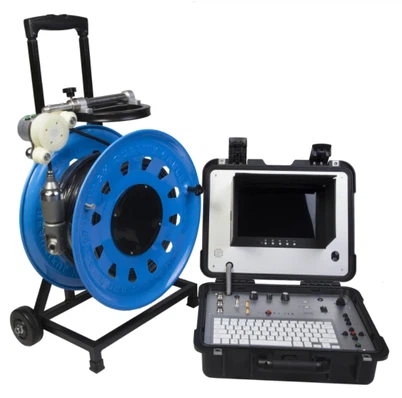
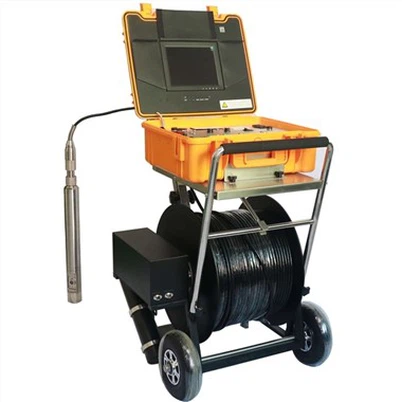
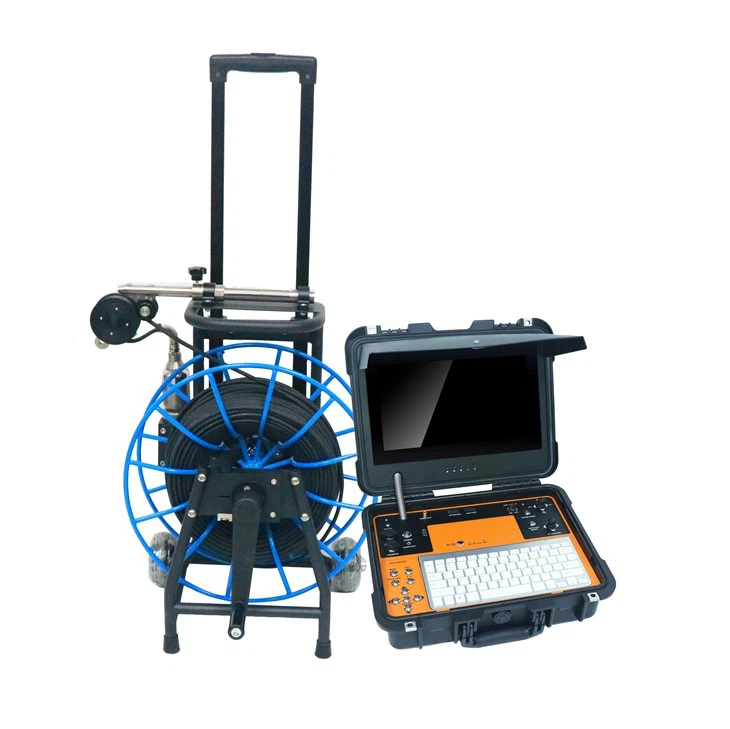
For example, our Borehole Inspection Camera 200 Meters is suitable for deep - sea surveys. It has a long cable that allows it to reach great depths, and its high - resolution camera can capture clear images of fish even in low - light conditions. Our Hot Sale Borehole Camera 360deg provides a 360 - degree view of the underwater environment, which is useful for detecting fish from all angles. And our Well video 8 inch HD dual camera rotating probe deep well camera drilling inspection camera is designed for detailed inspection and survey work, with its dual cameras and rotating probe providing a comprehensive view of the area.
Conclusion
In conclusion, ROV robots have the potential to provide accurate fish population surveys, but their accuracy is affected by several factors such as visibility, fish behavior, sampling bias, and species identification. By implementing strategies such as calibration, multiple sampling methods, and advanced imaging technology, the accuracy of ROV - based fish population surveys can be significantly improved.
If you are interested in using our ROV robots for fish population surveys or have any questions about our products, please feel free to contact us. We are committed to providing high - quality ROV solutions and excellent customer service to help you achieve accurate and reliable fish population surveys.
References
- Smith, J. (2018). "Advances in Underwater Robotics for Marine Research". Journal of Marine Technology, 25(3), 123 - 135.
- Johnson, A. (2019). "Fish Population Assessment Techniques: A Review". Fisheries Science, 32(2), 201 - 215.
- Brown, C. (2020). "The Impact of ROVs on Marine Ecosystem Monitoring". Marine Biology, 45(4), 345 - 356.