
Can ROV robots be used for underwater cleaning?
Leave a message

Can ROV robots be used for underwater cleaning?
In recent years, the demand for underwater cleaning has been on the rise, driven by various industries such as marine infrastructure maintenance, aquaculture, and environmental protection. Remotely Operated Vehicles (ROVs) have emerged as a promising solution for underwater tasks. As a ROV robot supplier, I have witnessed the growing interest in using ROVs for underwater cleaning, and I am excited to share my insights on this topic.
The Basics of ROVs
ROVs are unmanned vehicles controlled remotely from the surface. They are equipped with various sensors, cameras, and tools that allow operators to perform a wide range of tasks underwater. ROVs come in different sizes and configurations, depending on the specific application. Some ROVs are small and portable, suitable for shallow water inspection, while others are large and powerful, capable of operating at great depths.
Advantages of Using ROVs for Underwater Cleaning
There are several advantages to using ROVs for underwater cleaning:
- Safety: Underwater cleaning can be a dangerous task, especially in deep or hazardous environments. ROVs eliminate the need for human divers, reducing the risk of accidents and injuries.
- Efficiency: ROVs can work continuously without fatigue, allowing for faster and more efficient cleaning operations. They can also access areas that are difficult or impossible for human divers to reach.
- Precision: ROVs are equipped with high-resolution cameras and sensors, enabling operators to accurately identify and clean specific areas. This precision ensures that the cleaning process is thorough and effective.
- Cost-effectiveness: While the initial investment in an ROV may be significant, the long-term cost savings can be substantial. ROVs reduce the need for expensive diving equipment and personnel, and they can be used for multiple cleaning projects.
Applications of ROVs in Underwater Cleaning
ROVs can be used for a variety of underwater cleaning applications, including:
- Marine infrastructure maintenance: ROVs can be used to clean and inspect ships, oil rigs, bridges, and other marine structures. They can remove barnacles, algae, and other marine growth, which can cause corrosion and damage to the structures.
- Aquaculture: ROVs can be used to clean fish cages, nets, and other aquaculture equipment. They can remove debris, waste, and parasites, which can improve the health and productivity of the fish.
- Environmental protection: ROVs can be used to clean up oil spills, remove debris from rivers and lakes, and monitor water quality. They can also be used to survey and map underwater habitats, which can help in the conservation of marine ecosystems.
- Underwater archaeology: ROVs can be used to explore and document underwater archaeological sites. They can provide high-resolution images and videos of the artifacts, which can help in the preservation and interpretation of the history.
Challenges and Limitations of Using ROVs for Underwater Cleaning
While ROVs offer many advantages for underwater cleaning, there are also some challenges and limitations that need to be considered:
- Technical complexity: ROVs are complex machines that require specialized training and expertise to operate. Operators need to be familiar with the equipment, software, and safety procedures to ensure safe and effective operation.
- Limited payload capacity: ROVs have limited payload capacity, which means that they can only carry a certain amount of cleaning tools and equipment. This can limit the scope and efficiency of the cleaning operations.
- Communication and control: ROVs rely on a communication link between the operator and the vehicle to transmit commands and receive data. In some environments, such as deep water or areas with high levels of interference, the communication link may be unreliable, which can affect the performance of the ROV.
- Environmental conditions: Underwater environments can be harsh and unpredictable, with strong currents, low visibility, and extreme temperatures. These conditions can pose challenges for the operation of the ROV and the effectiveness of the cleaning tools.
Our ROV Solutions for Underwater Cleaning
As a ROV robot supplier, we offer a range of ROV solutions for underwater cleaning. Our ROVs are designed to be reliable, efficient, and easy to operate, and they are equipped with the latest technology and features to meet the needs of our customers.


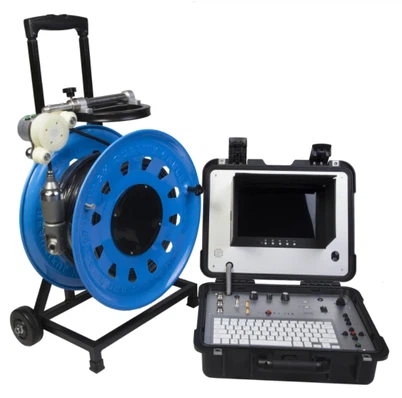
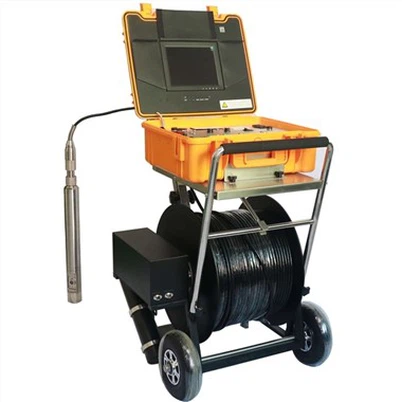
- Hot Sale Borehole Camera 360deg: This ROV is equipped with a 360-degree camera that provides a panoramic view of the underwater environment. It is suitable for inspecting boreholes, pipes, and other confined spaces. Hot Sale Borehole Camera 360deg
- Water Pipe Inspection Camera: This ROV is designed specifically for inspecting water pipes. It is equipped with a high-resolution camera and a flexible arm that can navigate through the pipes. Water Pipe Inspection Camera
- 5000m Depth Oil Inspection Camera: This ROV is capable of operating at depths of up to 5000 meters. It is equipped with a high-resolution camera and a range of sensors that can detect oil spills and other contaminants. 5000m Depth Oil Inspection Camera
Conclusion
In conclusion, ROVs have the potential to revolutionize the field of underwater cleaning. They offer many advantages over traditional methods, including safety, efficiency, precision, and cost-effectiveness. While there are some challenges and limitations that need to be addressed, the benefits of using ROVs for underwater cleaning are significant. As a ROV robot supplier, we are committed to providing our customers with the latest technology and solutions to meet their underwater cleaning needs. If you are interested in learning more about our ROVs or would like to discuss your underwater cleaning requirements, please contact us for a consultation.
References
- "Underwater Robotics: Technology and Applications" by Roberto Cingolani and Stefano Piroddi
- "Remotely Operated Vehicles (ROVs): A Comprehensive Guide" by John R. White
- "Underwater Cleaning Technologies: A Review" by Maria João Vitorino and João Carlos Teixeira