
Can an ROV robot be used for underwater power plant inspection?
Leave a message

Can an ROV robot be used for underwater power plant inspection?
In recent years, the demand for efficient and reliable underwater inspection methods has grown significantly, especially in the context of power plants. Underwater power plants, whether hydroelectric, tidal, or other types, face unique challenges due to their submerged nature. This is where Remotely Operated Vehicles (ROVs) come into play. As an ROV robot supplier, I am well - versed in the capabilities and potential of these remarkable machines for underwater power plant inspection.


The Basics of ROVs
ROVs are unmanned vehicles controlled from the surface via a tether. They are equipped with a variety of sensors, cameras, and tools that allow them to perform a wide range of tasks in underwater environments. These vehicles can be customized to meet specific requirements, making them suitable for different types of underwater inspections.
Advantages of Using ROVs for Underwater Power Plant Inspection
- Safety: One of the most significant advantages of using ROVs is the enhanced safety they offer. Instead of sending human divers into potentially dangerous underwater environments, ROVs can be deployed to perform inspections. This reduces the risk of accidents such as drowning, decompression sickness, and exposure to hazardous materials.
- Cost - effectiveness: ROVs can significantly reduce the cost of underwater inspections. Traditional methods involving human divers often require extensive support equipment, trained personnel, and long inspection times. ROVs, on the other hand, can be operated with a relatively small team and can complete inspections more quickly, resulting in cost savings.
- High - resolution imaging: Modern ROVs are equipped with high - resolution cameras that can provide detailed images and videos of the underwater structures. This allows inspectors to detect even the smallest defects or damages in the power plant components, such as cracks in the turbine blades or corrosion on the pipelines.
- Access to hard - to - reach areas: Underwater power plants have many areas that are difficult or impossible for human divers to access. ROVs can easily navigate through narrow spaces, deep waters, and areas with strong currents, providing a comprehensive inspection of the entire power plant.
Applications of ROVs in Underwater Power Plant Inspection
- Turbine inspection: ROVs can be used to inspect the turbine blades for signs of wear, erosion, or damage. By using high - resolution cameras and sensors, the ROV can provide detailed information about the condition of the blades, allowing for timely maintenance and repair.
- Pipeline inspection: The pipelines in underwater power plants are crucial for the transport of water, steam, or other fluids. ROVs can inspect the pipelines for leaks, corrosion, and blockages. They can also measure the thickness of the pipeline walls to ensure their structural integrity.
- Foundation inspection: The foundations of underwater power plants need to be inspected regularly to ensure their stability. ROVs can be used to examine the foundation structures for any signs of settlement, cracking, or damage. This helps in preventing potential failures and ensuring the long - term safety of the power plant.
Our ROV Solutions
As an ROV robot supplier, we offer a range of ROVs that are specifically designed for underwater power plant inspection. Our ROVs are equipped with state - of - the - art cameras and sensors to provide accurate and detailed inspection results.
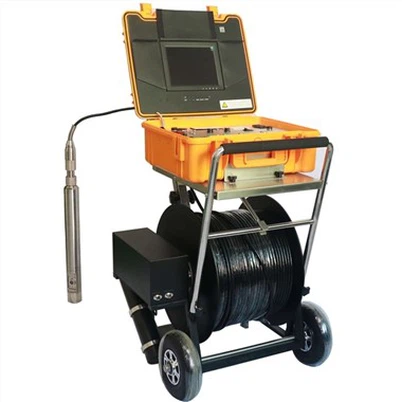
For example, our Drilling Inspection Camera Waterproof 30 Bar is a high - quality camera that can withstand high water pressure. It is ideal for inspecting the deep - water components of underwater power plants.
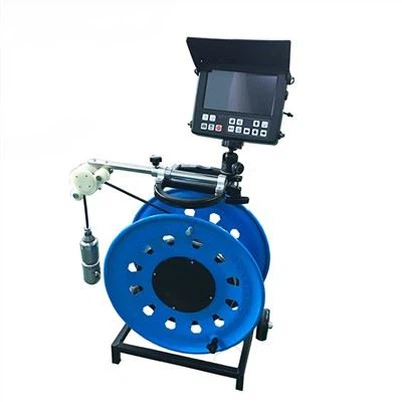
Our Pan Tilt Dome Camera Underwater Monitor System for Fishing Finders offers pan - tilt functionality, allowing for a wide range of viewing angles. This is useful for inspecting large areas of the power plant.
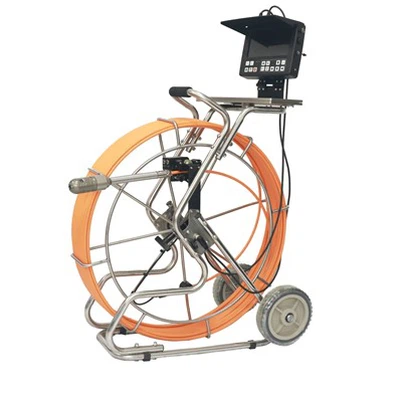
In addition, our Underwater Pan and Tilt HD Underwater Camera For Fishing Depth 500m GLF - UDC - V11S Supplier China provides high - definition images and can operate at a depth of up to 500 meters. It is suitable for inspecting deep - sea power plant components.
Challenges and Limitations
While ROVs offer many advantages for underwater power plant inspection, there are also some challenges and limitations.
- Limited maneuverability in complex environments: In some cases, the underwater environment around power plants can be very complex, with a lot of obstacles and tight spaces. ROVs may face difficulties in maneuvering through these areas, which can affect the inspection process.
- Data interpretation: The large amount of data collected by ROVs needs to be properly interpreted. This requires trained personnel with expertise in underwater inspection and data analysis.
- Communication and power limitations: The tether that connects the ROV to the surface can limit its range of movement. In addition, the power supply to the ROV needs to be carefully managed to ensure continuous operation.
Future Developments
The future of ROVs for underwater power plant inspection looks promising. With the development of new technologies, ROVs are becoming more advanced, with improved maneuverability, longer battery life, and better data processing capabilities.
For example, the use of artificial intelligence and machine learning algorithms can help in the automatic detection and analysis of defects in the inspection data. This will further improve the efficiency and accuracy of underwater power plant inspections.
Conclusion
In conclusion, ROVs can be effectively used for underwater power plant inspection. They offer significant advantages in terms of safety, cost - effectiveness, and the ability to access hard - to - reach areas. As an ROV robot supplier, we are committed to providing high - quality ROVs and related services to meet the needs of underwater power plant operators.
If you are interested in our ROV products for underwater power plant inspection, please feel free to contact us for further information and to discuss your specific requirements. We look forward to the opportunity to work with you and help you ensure the safety and efficiency of your underwater power plant.
References
- Fossen, T. I. (1994). Guidance and control of ocean vehicles. John Wiley & Sons.
- Singh, S., Smith, R., & Whitcomb, L. L. (2004). Underwater robotics: Technology, design, and implementation. Springer Science & Business Media.
- Yoerger, D. R., & Slotine, J. J. (1985). Model - based control of underwater vehicles. IEEE Journal of Oceanic Engineering, 10(3), 321 - 332.