
How do I navigate a sewer camera through bends in the sewer line?
Leave a message

Navigating a sewer camera through bends in the sewer line is a crucial skill for professionals in the plumbing and sewer inspection industry. As a sewer camera supplier, I've seen firsthand the challenges and solutions related to this task. In this blog, I'll share some insights and techniques on how to effectively navigate a sewer camera through those tricky bends.
Understanding the Sewer Camera System
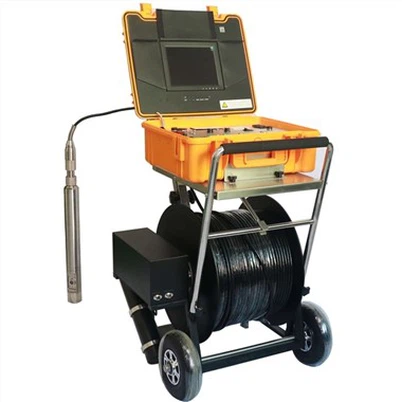
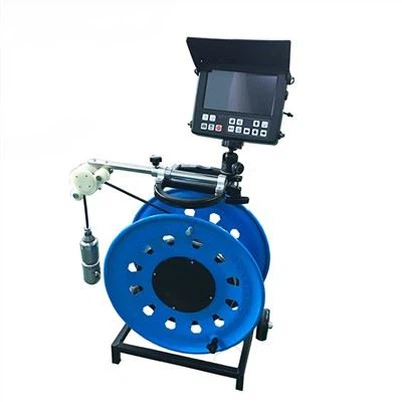
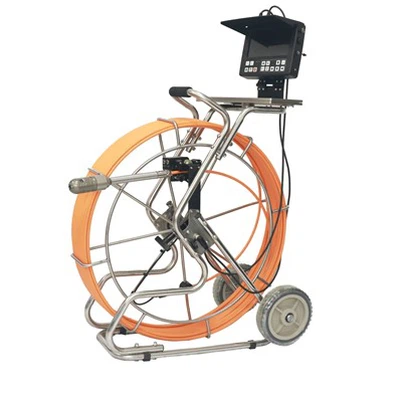
Before we delve into the navigation process, it's important to understand the components of a sewer camera system. A typical sewer camera consists of a camera head, a cable, and a monitor. The camera head is equipped with lights and a lens to capture clear images of the sewer line. The cable is used to transmit the video signal from the camera head to the monitor, and it also provides power to the camera. The monitor allows the operator to view the live video feed from the camera.
Preparing for the Inspection
Proper preparation is key to a successful sewer camera inspection. First, you need to ensure that the sewer camera system is in good working condition. Check the camera head for any damage or dirt, and make sure the lights are functioning properly. Inspect the cable for any signs of wear or tear, and ensure that the connection between the cable and the camera head is secure.


Next, you need to select the appropriate camera for the job. Different sewer cameras are designed for different pipe sizes and types of sewer lines. For example, a smaller camera may be more suitable for narrow pipes, while a larger camera may be needed for larger pipes. Consider the depth of the sewer line and the type of bends you expect to encounter when choosing a camera.
Navigating Through Bends
Once you've prepared the sewer camera system, it's time to start the inspection. Here are some techniques for navigating a sewer camera through bends in the sewer line:
Use a Flexible Cable
One of the most important features of a sewer camera is a flexible cable. A flexible cable allows the camera to bend and follow the contours of the sewer line. When navigating through bends, slowly advance the cable while gently guiding it in the direction of the bend. Avoid forcing the cable, as this can cause damage to the camera or the sewer line.
Take Your Time
Navigating through bends requires patience. Take your time and move the camera slowly through the sewer line. This will give you a better view of the bends and allow you to make adjustments as needed. Rushing the process can lead to missed problems or damage to the camera.
Use the Camera's Steering Function
Many modern sewer cameras are equipped with a steering function that allows you to control the direction of the camera head. This can be especially useful when navigating through bends. Use the steering function to align the camera head with the bend and guide it through smoothly.
Look for Visual Cues
As you navigate through the sewer line, look for visual cues that can help you identify bends. For example, changes in the color or texture of the pipe wall may indicate a bend. Pay attention to the shape of the pipe and any obstacles or debris that may be present. These visual cues can help you anticipate and navigate through bends more effectively.
Dealing with Obstacles
In addition to bends, you may encounter obstacles in the sewer line, such as roots, debris, or blockages. When faced with an obstacle, it's important to approach the situation carefully. First, try to determine the nature and location of the obstacle. If possible, use the camera's steering function to maneuver around the obstacle. If the obstacle is too large or difficult to bypass, you may need to use additional tools, such as a drain snake or a hydro jetter, to clear the blockage.
Troubleshooting
Even with the best preparation and techniques, you may encounter problems during a sewer camera inspection. Here are some common issues and how to troubleshoot them:
Poor Video Quality
If the video quality is poor, check the camera head for dirt or damage. Clean the lens and make sure the lights are functioning properly. If the problem persists, check the cable for any loose connections or damage.
Camera Stuck in the Pipe
If the camera gets stuck in the pipe, try gently pulling the cable to free it. If this doesn't work, you may need to use a retrieval tool to remove the camera. Be careful not to damage the camera or the sewer line when attempting to retrieve it.
Loss of Signal
If you lose the video signal, check the cable for any loose connections or damage. Make sure the cable is properly connected to the camera head and the monitor. If the problem persists, check the power supply to the camera and the monitor.
Conclusion
Navigating a sewer camera through bends in the sewer line requires a combination of skill, patience, and the right equipment. By understanding the components of the sewer camera system, preparing properly for the inspection, and using the techniques outlined in this blog, you can effectively navigate through bends and identify potential problems in the sewer line.
As a sewer camera supplier, we offer a wide range of high-quality sewer cameras, including Borehole Inspection Camera, Factory Borehole Water Well Camera, and Borehole Water Well Camera. Our cameras are designed to provide clear and accurate images of the sewer line, even in challenging conditions.
If you're in the market for a sewer camera or need more information about our products, we encourage you to contact us for a consultation. Our team of experts is ready to help you find the right camera for your needs and provide you with the support and training you need to use it effectively.
References
- Smith, J. (2020). Sewer Camera Inspection: A Comprehensive Guide. Plumbing Today.
- Johnson, A. (2019). Navigating Sewer Bends with a Camera. Sewer Solutions Magazine.
- Brown, C. (2018). Troubleshooting Sewer Camera Problems. Inspection Journal.