
Can a pipe camera be used in pipes with different shapes?
Leave a message

As a pipe camera supplier, I often get asked whether our pipe cameras can be used in pipes with different shapes. It's a valid question, considering that pipes come in all sorts of forms, from the standard circular ones to oval, rectangular, and even irregularly shaped pipes. In this blog post, I'll dive into the details of using pipe cameras in pipes of various shapes and share some insights based on our experience in the industry.
Understanding the Basics of Pipe Cameras
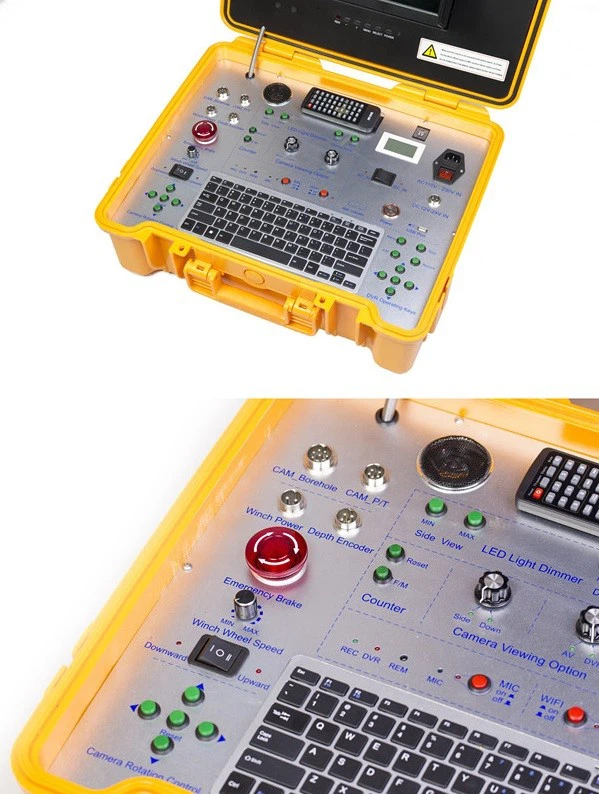
Before we talk about using pipe cameras in different - shaped pipes, let's quickly go over what a pipe camera is. A pipe camera is a specialized tool designed to inspect the inside of pipes. It usually consists of a flexible cable with a camera at the end, a control unit, and a monitor. The camera captures high - quality images and videos of the pipe's interior, allowing users to identify issues like blockages, cracks, or corrosion.
Circular Pipes: The Standard Use Case
Circular pipes are the most common type of pipes, and using a pipe camera in them is relatively straightforward. Our pipe cameras are well - suited for circular pipes of different diameters. The flexible cable can easily navigate through the circular path, and the camera can provide a 360 - degree view of the pipe wall. Whether it's a small - diameter residential drainpipe or a large - scale industrial pipe, our cameras can get the job done. For example, in a plumbing system, our camera can quickly detect clogs or leaks in the circular pipes, helping plumbers to make informed repair decisions.
Oval Pipes: Adapting to the Shape
Oval pipes present a bit more of a challenge compared to circular ones. However, our pipe cameras are designed to be flexible enough to handle these non - circular shapes. The camera's ability to adjust its angle and position helps it to capture clear images along the oval pipe's walls. We've had customers who used our cameras for inspecting oval ventilation ducts in commercial buildings. The camera could smoothly move through the oval cross - section, allowing them to check for any signs of damage or debris buildup.
Rectangular Pipes: Navigating the Corners
Rectangular pipes, with their sharp corners, require a bit of finesse when using a pipe camera. Our cameras are equipped with features that help them navigate these corners effectively. The flexible cable can bend around the right - angled corners, and the camera's wide - angle lens ensures that all areas of the rectangular pipe are visible. For instance, in industrial settings where rectangular pipes are used for transporting chemicals or waste, our cameras can be used to inspect for any signs of wear and tear at the corners, which are often more prone to damage.
Irregularly Shaped Pipes: The Real Challenge
Irregularly shaped pipes are the most difficult to inspect. These pipes may have bends, twists, and non - standard cross - sections. But don't worry! Our pipe cameras are up for the task. The advanced technology in our cameras allows them to adapt to different shapes. The cable can be manipulated to follow the pipe's irregular path, and the camera can provide clear images even in the most challenging conditions. For example, in some older buildings, there might be custom - made pipes with unique shapes. Our cameras have been successfully used to inspect these pipes, helping to identify potential problems before they turn into major issues.
The Role of Different Camera Models
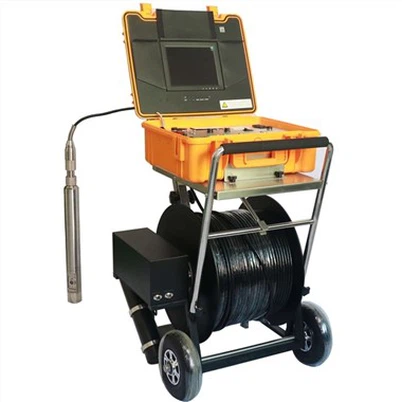
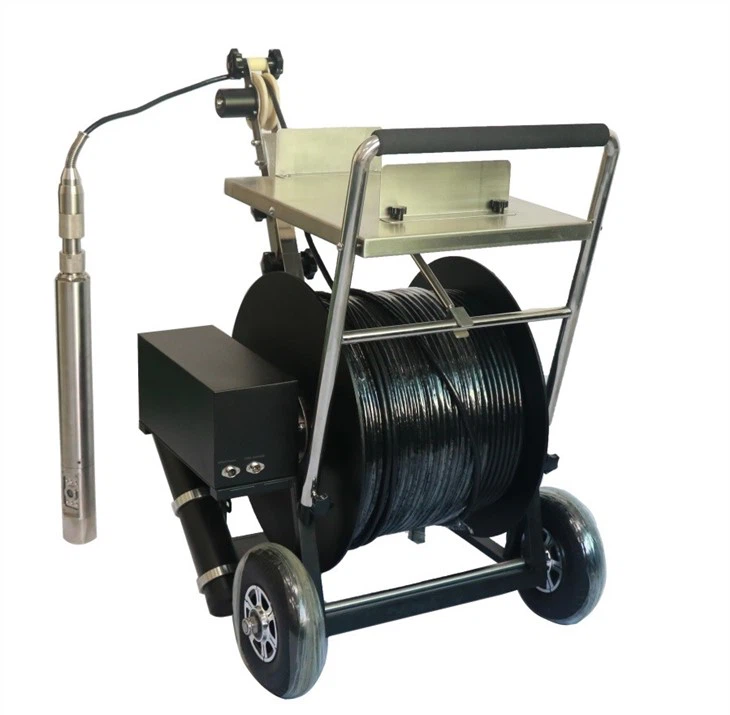
We offer a range of pipe camera models to suit different needs. For example, our Borewell Inspection Camera is great for deep - hole inspections. It can be used in pipes of various shapes, whether they are vertical or horizontal. The camera is designed to withstand harsh environments and can provide high - quality images even in low - light conditions.
Our Borehole Deep Water Inspection Camera is another excellent option. It's specifically designed for underwater inspections in boreholes. This camera can be used in pipes that are submerged in water, regardless of their shape. It has a waterproof design and can capture clear images even in murky water.
The Underwater dual view borescope inspection camera is also a great choice. It offers a dual - view feature, which means it can capture images from different angles simultaneously. This is particularly useful when inspecting pipes with complex shapes, as it allows users to get a more comprehensive view of the pipe's interior.
Tips for Using Pipe Cameras in Different - Shaped Pipes
- Prepare the Pipe: Before inserting the camera, make sure the pipe is as clean as possible. Remove any large debris or blockages that could obstruct the camera's path.
- Take Your Time: When navigating through non - standard pipes, it's important to move the camera slowly. This allows you to capture clear images and ensures that you don't miss any important details.
- Use the Right Accessories: Depending on the shape and size of the pipe, you may need to use different accessories. For example, in a narrow pipe, you might need a smaller - diameter camera head.
Conclusion
In conclusion, our pipe cameras can definitely be used in pipes with different shapes. Whether it's circular, oval, rectangular, or irregularly shaped pipes, our cameras are designed to adapt and provide clear and accurate inspections. We understand that each pipe inspection job is unique, and we're committed to providing the best solutions for our customers.
If you're in need of a pipe camera for your inspection needs, don't hesitate to reach out. We're here to help you choose the right camera model and provide all the support you need. Whether you're a plumbing professional, an industrial inspector, or a DIY enthusiast, we have the perfect pipe camera for you. Let's start a conversation and find the best solution for your pipe inspection requirements.
References
- General knowledge and experience in the pipe camera industry.
- Product specifications and user feedback from our pipe camera customers.