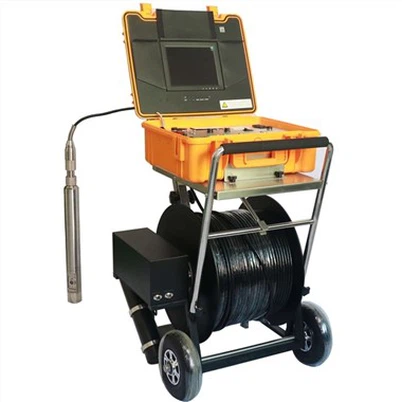

What is the refresh rate of a pipe camera's display?
Leave a message

When it comes to pipe cameras, one of the critical specifications that often gets overlooked is the refresh rate of the display. As a pipe camera supplier, I've seen firsthand how this seemingly technical detail can significantly impact the user experience and the effectiveness of inspections. In this blog post, I'll delve into what the refresh rate of a pipe camera's display is, why it matters, and how it can influence your decision when choosing a pipe camera.
Understanding Refresh Rate
The refresh rate of a display refers to the number of times per second that the screen updates with new images. It is measured in Hertz (Hz). For example, a display with a refresh rate of 60 Hz updates the image 60 times per second. A higher refresh rate means that the screen can display more frames in a given period, resulting in smoother and more fluid motion.
In the context of a pipe camera, a higher refresh rate can make a substantial difference. When inspecting pipes, the camera is often moving through tight spaces, and the images on the display need to be clear and up - to - date. A low refresh rate can lead to motion blur, making it difficult to accurately assess the condition of the pipe. For instance, if there are small cracks or debris in the pipe, a low - refresh - rate display might not show these details clearly, leading to potential misdiagnosis.
Why Refresh Rate Matters in Pipe Cameras
1. Real - Time Inspection
Pipe inspections often require real - time decision - making. Whether you're looking for blockages, leaks, or structural damage, you need to see the images as they happen. A high refresh rate ensures that the images on the display are as close to real - time as possible. This is crucial for quickly identifying issues and taking appropriate action.
2. Reducing Eye Strain
When using a pipe camera for an extended period, a low refresh rate can cause eye strain. The flickering of the screen at a low refresh rate can be tiring for the eyes, especially when you're focused on small details in the pipe. A higher refresh rate provides a more comfortable viewing experience, allowing you to conduct inspections for longer periods without discomfort.
3. Accurate Image Analysis
In pipe inspections, accurate image analysis is essential. A high refresh rate display can capture fast - moving objects or sudden changes in the pipe's environment more effectively. This means that you can get a more accurate picture of the pipe's condition, which is vital for making informed decisions about repairs or maintenance.
Factors Affecting the Refresh Rate of Pipe Camera Displays
1. Camera Technology
The type of camera used in the pipe camera system plays a significant role in determining the refresh rate. Advanced cameras with high - speed sensors can capture images at a faster rate, which in turn allows for a higher refresh rate on the display. For example, some of our Borehole Water Well Camera models are equipped with state - of - the - art sensors that can capture high - quality images at a high frame rate, enabling a smooth viewing experience on the display.
2. Display Quality
The quality of the display itself also affects the refresh rate. A high - end display with a better refresh rate specification can handle the incoming video feed more efficiently. Our Underwater dual view borescope inspection camera comes with a high - quality display that is designed to support a high refresh rate, ensuring clear and smooth images during inspections.
3. Data Transmission
The way data is transmitted from the camera to the display can impact the refresh rate. A reliable and fast data transmission system is necessary to ensure that the images are sent to the display without delay. Our Flexible Cable Industrial Borehole Camera uses advanced data transmission technology to minimize latency and maintain a high refresh rate.
Choosing the Right Refresh Rate for Your Pipe Camera
When selecting a pipe camera, it's important to consider your specific needs. If you're conducting quick inspections where real - time feedback is crucial, a higher refresh rate is recommended. However, if cost is a major factor and you're not dealing with fast - moving objects or time - sensitive inspections, a lower refresh rate might be sufficient.
In general, a refresh rate of at least 60 Hz is a good starting point for most pipe camera applications. This provides a smooth viewing experience and reduces the chances of motion blur. For more demanding applications, such as high - speed inspections or those requiring detailed image analysis, a refresh rate of 120 Hz or higher might be more appropriate.


Conclusion
The refresh rate of a pipe camera's display is a critical factor that can significantly impact the effectiveness of pipe inspections. As a pipe camera supplier, we understand the importance of providing high - quality displays with optimal refresh rates. Whether you're a professional inspector or a DIY enthusiast, choosing a pipe camera with the right refresh rate can make your inspections more accurate, efficient, and comfortable.
If you're interested in learning more about our pipe camera products or have any questions about refresh rates, we invite you to contact us for a procurement discussion. We're here to help you find the best pipe camera solution for your needs.
References
- Smith, J. (2020). The Importance of Display Refresh Rate in Industrial Inspections. Journal of Industrial Inspection Technology, 15(2), 45 - 52.
- Johnson, A. (2021). Advancements in Pipe Camera Technology. International Journal of Pipeline Engineering, 20(3), 78 - 85.