
Can a winch rope be used in saltwater environments?
Leave a message

Can a Winch Rope be Used in Saltwater Environments?
As a winch rope supplier, I often receive inquiries from customers about the suitability of winch ropes for saltwater environments. The answer to this question is not straightforward and depends on several factors. In this blog post, I will explore the challenges and considerations when using winch ropes in saltwater, and provide some insights into choosing the right winch rope for such conditions.
The Challenges of Saltwater Environments
Saltwater is a harsh environment that can have a significant impact on the performance and lifespan of winch ropes. The high salt content in seawater can cause corrosion, degradation, and weakening of the rope materials. Here are some of the main challenges:
- Corrosion: Saltwater contains various salts, such as sodium chloride, which can react with the metal components of the winch rope, including the wire strands and fittings. This can lead to rust and corrosion, reducing the strength and integrity of the rope.
- Abrasion: The abrasive nature of saltwater, combined with the movement of the rope against the winch drum and other surfaces, can cause wear and tear on the rope. This can result in fraying, thinning, and ultimately, failure of the rope.
- UV Exposure: Saltwater environments are often exposed to high levels of ultraviolet (UV) radiation, which can cause the rope materials to degrade over time. UV rays can break down the molecular structure of the rope, making it more brittle and prone to damage.
- Microbial Growth: Saltwater provides a suitable environment for the growth of microorganisms, such as bacteria and fungi. These microorganisms can cause biological degradation of the rope materials, leading to discoloration, odor, and loss of strength.
Types of Winch Ropes and Their Suitability for Saltwater
There are several types of winch ropes available on the market, each with its own characteristics and suitability for saltwater environments. Here are some common types of winch ropes and their performance in saltwater:
- Wire Rope: Wire ropes are made of multiple strands of steel wire twisted together. They are known for their high strength and durability, making them a popular choice for heavy-duty applications. However, wire ropes are susceptible to corrosion in saltwater, especially if not properly maintained. To protect wire ropes from corrosion, they can be coated with a corrosion-resistant material, such as zinc or epoxy.
- Synthetic Rope: Synthetic ropes are made of various synthetic fibers, such as nylon, polyester, and polypropylene. They are lightweight, flexible, and resistant to corrosion, making them a good choice for saltwater environments. Synthetic ropes also have a higher strength-to-weight ratio than wire ropes, which means they can handle heavy loads with less weight. However, synthetic ropes are more prone to UV damage and abrasion than wire ropes, so they need to be protected from these factors.
- Hybrid Rope: Hybrid ropes combine the advantages of wire ropes and synthetic ropes. They typically consist of a core of synthetic fibers surrounded by a layer of wire strands. Hybrid ropes offer high strength, durability, and corrosion resistance, making them suitable for a wide range of applications in saltwater environments.
Choosing the Right Winch Rope for Saltwater
When choosing a winch rope for saltwater environments, it is important to consider the following factors:
- Strength and Load Capacity: The winch rope should have sufficient strength and load capacity to handle the intended application. This includes considering the weight of the load, the pulling force required, and any additional factors, such as shock loads or dynamic forces.
- Corrosion Resistance: The winch rope should be resistant to corrosion in saltwater. This can be achieved by choosing a rope made of corrosion-resistant materials, such as stainless steel or synthetic fibers, or by applying a corrosion-resistant coating to the rope.
- Abrasion Resistance: The winch rope should be able to withstand the abrasive nature of saltwater and the movement of the rope against the winch drum and other surfaces. This can be achieved by choosing a rope with a high abrasion resistance, such as a wire rope with a protective coating or a synthetic rope with a high-strength fiber.
- UV Resistance: The winch rope should be resistant to UV radiation, which can cause degradation of the rope materials over time. This can be achieved by choosing a rope made of UV-resistant materials, such as synthetic fibers with a UV stabilizer, or by applying a UV-resistant coating to the rope.
- Maintenance Requirements: The winch rope should be easy to maintain and clean. This includes regular inspection, lubrication, and replacement of worn or damaged parts.
Maintenance and Care of Winch Ropes in Saltwater
To ensure the longevity and performance of winch ropes in saltwater environments, it is important to follow proper maintenance and care procedures. Here are some tips:


- Rinse with Fresh Water: After each use in saltwater, the winch rope should be rinsed thoroughly with fresh water to remove any salt and debris. This can help prevent corrosion and damage to the rope.
- Inspect Regularly: The winch rope should be inspected regularly for signs of wear, damage, or corrosion. Any damaged or worn parts should be replaced immediately to prevent further damage to the rope.
- Lubricate the Rope: The winch rope should be lubricated regularly to reduce friction and wear. This can help extend the lifespan of the rope and improve its performance.
- Store Properly: The winch rope should be stored in a dry, cool place away from direct sunlight and moisture. This can help prevent corrosion and damage to the rope.
Conclusion
In conclusion, winch ropes can be used in saltwater environments, but it is important to choose the right type of rope and follow proper maintenance and care procedures. By considering the challenges and factors discussed in this blog post, you can select a winch rope that is suitable for your specific application and ensure its longevity and performance in saltwater.
If you are in the market for a winch rope for saltwater environments, I encourage you to contact us for more information. Our team of experts can help you choose the right winch rope for your needs and provide you with the support and guidance you need to ensure its proper use and maintenance.
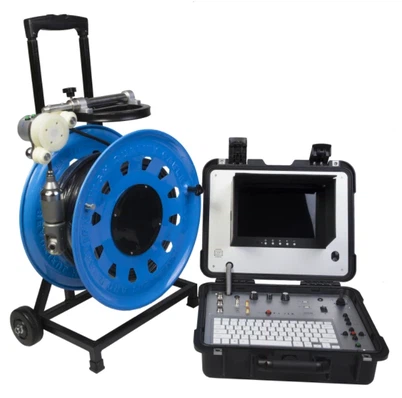
In addition to winch ropes, we also offer a range of other products that are suitable for saltwater environments, such as 5000m Depth Oil Inspection Camera, Sewer pipe inspection camera system, and 1080P AHD Underwater Camera 200m For Sea Underwater Inspection. These products are designed to provide reliable and accurate inspection and monitoring in saltwater environments.
If you have any questions or would like to discuss your specific requirements, please do not hesitate to contact us. We look forward to hearing from you and helping you find the right solutions for your needs.
References
- ASTM International. (2021). Standard Specification for Synthetic Fiber Rope for General Industrial Use. ASTM D1962-21.
- Cordage Institute. (2020). Synthetic Rope Handbook.
- Wire Rope Technical Board. (2021). Wire Rope Users Manual.