
What is the frame rate of a pipe camera?
Leave a message

Hey there! As a pipe camera supplier, I often get asked about the frame rate of pipe cameras. So, let's dive right into it and break down what frame rate means for these nifty devices.
What the Heck is Frame Rate?
First off, frame rate is basically how many individual frames or pictures a camera can capture and display in one second. It's measured in frames per second (fps). You can think of it like a flipbook. Each page in the flipbook is a frame, and when you flip through them quickly, it creates the illusion of motion. The higher the frame rate, the smoother the motion looks.
For pipe cameras, frame rate plays a crucial role. When you're using a pipe camera to inspect the inside of pipes, you want to see every little detail clearly. A low frame rate can make the video look choppy, like it's skipping frames. This can make it difficult to spot small cracks, blockages, or other issues in the pipes.
Why Frame Rate Matters in Pipe Cameras
Let's say you're a plumber or a technician using a pipe camera to check out a clogged drain. If the camera has a low frame rate, you might miss important details. For example, a small piece of debris causing the blockage could be hard to see if the video is jerky. On the other hand, a high frame rate gives you a smooth, clear view of what's going on inside the pipe.
Another reason frame rate is important is when you're dealing with fast-moving objects or fluids inside the pipe. If water is flowing quickly or there's some kind of debris being carried along, a high frame rate will ensure that you can track it accurately. You don't want to miss any important action because the camera can't keep up.
Common Frame Rates for Pipe Cameras
Pipe cameras typically come with a range of frame rates. The most common frame rates you'll see are 25fps and 30fps. These are standard rates that provide a decent balance between smooth motion and data storage.
A frame rate of 25fps is widely used, especially in regions where the electrical grid operates at 50Hz. It's a good choice for general pipe inspections where the movement inside the pipe isn't too fast.
30fps is also very common, especially in countries with a 60Hz electrical grid. It offers a slightly smoother video compared to 25fps, which can be beneficial when you need to capture fine details or fast-moving objects.
Some high-end pipe cameras can even go up to 60fps or higher. These cameras are great for situations where you need to capture extremely fast motion or when you want the highest level of detail possible. However, keep in mind that higher frame rates also mean more data is being captured, which can require more storage space and processing power.
Factors Affecting Frame Rate
There are a few factors that can affect the frame rate of a pipe camera. One of the main factors is the camera's sensor. A high-quality sensor can capture frames more quickly and efficiently, allowing for a higher frame rate. Cheaper cameras may have sensors that are not as capable, which can limit the frame rate.
Another factor is the lighting conditions inside the pipe. If the pipe is dark, the camera may need to take longer exposures to capture enough light, which can reduce the frame rate. That's why many pipe cameras come with built-in lights to ensure proper illumination.
The data transfer rate also plays a role. If the camera is trying to send a large amount of data (due to a high frame rate) over a slow connection, it may struggle to maintain that frame rate. This is especially important if you're using a wireless pipe camera.
Choosing the Right Frame Rate for Your Needs
When choosing a pipe camera, it's important to consider your specific needs. If you're doing basic inspections of slow-moving pipes, a 25fps or 30fps camera should be sufficient. However, if you're dealing with fast-moving fluids or need to capture fine details, you might want to invest in a camera with a higher frame rate.
It's also a good idea to think about the storage and processing capabilities of your system. Higher frame rates mean more data, so you'll need enough storage space to save the videos. And if you're going to be analyzing the videos on a computer, make sure your computer has the processing power to handle the high frame rate.
Our Pipe Camera Offerings
At our company, we offer a wide range of pipe cameras with different frame rates to meet your needs. Whether you're a professional plumber, a building inspector, or just someone who wants to check out their own pipes, we've got you covered.
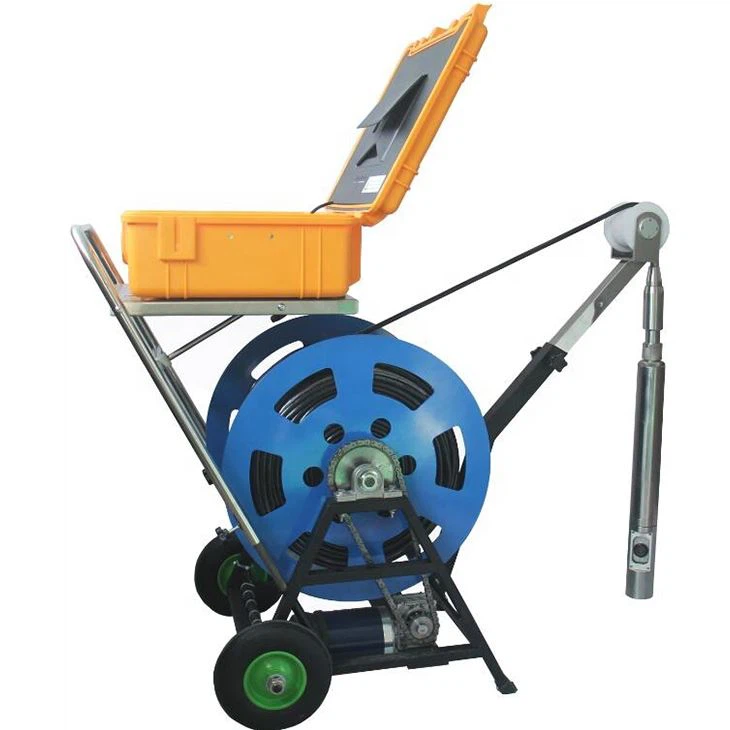
We have the Borehole Water Well Camera, which is great for inspecting water wells and boreholes. It has a high frame rate to ensure clear and smooth video of the well's interior.
Our Borehole Inspection Camera is another popular option. It's designed for general borehole inspections and offers a reliable frame rate for accurate results.
And for those who need a more advanced solution, we have the Underwater dual view borescope inspection camera. This camera has a high frame rate and dual views, allowing you to get a comprehensive look at the inside of pipes and other hard-to-reach areas.

Contact Us for More Information
If you're interested in learning more about our pipe cameras or have any questions about frame rates, feel free to reach out to us. We're here to help you find the right camera for your needs. Whether you're looking for a camera with a specific frame rate or need advice on which camera is best for your application, we've got the expertise to assist you.
So, don't hesitate to get in touch and start exploring the world of pipe cameras with us. We're ready to help you make the right choice and get the job done right.
References
- Understanding Video Frame Rates. (n.d.). Retrieved from various industry resources on video technology.
- Pipe Camera Technology. (n.d.). Gathered from technical manuals and product specifications of pipe cameras.