
How do I use a sewer camera to estimate the remaining service life of sewer pipes?
Leave a message

As a supplier of sewer cameras, I often get asked about how these devices can be used to estimate the remaining service life of sewer pipes. In this blog post, I'll share some insights based on my experience in the industry.


Understanding the Basics of Sewer Cameras
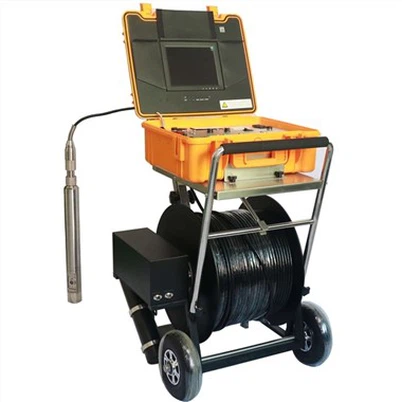
Sewer cameras are specialized tools designed to inspect the interior of sewer pipes. They typically consist of a camera attached to a flexible cable, which can be inserted into the pipes to capture detailed images and videos. These cameras are equipped with high-resolution lenses and powerful lighting systems, allowing for clear visualization of the pipe's condition.
There are different types of sewer cameras available in the market, each with its own features and capabilities. For instance, the Borehole Water Well Camera is designed for deep borehole inspections, while the Flexible Cable Industrial Borehole Camera offers greater flexibility for navigating through complex pipe systems. The Underwater dual view borescope inspection camera provides a unique dual-view perspective, enhancing the inspection process.
Factors Affecting the Service Life of Sewer Pipes
Before we delve into how sewer cameras can help estimate the remaining service life of sewer pipes, it's important to understand the factors that can affect the lifespan of these pipes. Some of the key factors include:
- Material Quality: The type of material used in the construction of the sewer pipes plays a significant role in determining their durability. For example, pipes made of high-quality materials such as PVC or ductile iron tend to have a longer service life compared to those made of lower-quality materials.
- Installation Quality: Proper installation is crucial for ensuring the long-term performance of sewer pipes. If the pipes are not installed correctly, they may be more prone to damage and premature failure.
- Environmental Conditions: The environment in which the sewer pipes are located can also impact their service life. Factors such as soil conditions, temperature variations, and exposure to chemicals can all contribute to the deterioration of the pipes.
- Usage Patterns: The frequency and volume of wastewater flowing through the pipes can also affect their lifespan. Pipes that are subjected to heavy usage or carry abrasive materials may experience more wear and tear over time.
Using Sewer Cameras for Service Life Estimation
Sewer cameras can provide valuable insights into the condition of sewer pipes, which can be used to estimate their remaining service life. Here's how:
- Visual Inspection: The most obvious way to use a sewer camera is to conduct a visual inspection of the pipes. By inserting the camera into the pipes, you can observe the interior condition of the pipes, including any signs of damage, corrosion, or blockages. This can help you identify potential issues early on and take appropriate measures to prevent further damage.
- Measurement of Pipe Wall Thickness: Some advanced sewer cameras are equipped with sensors that can measure the thickness of the pipe walls. By comparing the current wall thickness with the original specifications, you can determine the extent of corrosion or wear and estimate the remaining service life of the pipes.
- Detection of Structural Defects: Sewer cameras can also detect structural defects such as cracks, leaks, or collapses in the pipes. These defects can significantly reduce the service life of the pipes and may require immediate repair or replacement.
- Analysis of Pipe Material Condition: In addition to visual inspection and measurement, sewer cameras can also be used to analyze the condition of the pipe material. For example, some cameras are equipped with infrared sensors that can detect changes in the temperature of the pipe walls, which can indicate the presence of corrosion or other damage.
Steps for Estimating the Remaining Service Life of Sewer Pipes
To estimate the remaining service life of sewer pipes using a sewer camera, you can follow these steps:
- Conduct a Preliminary Inspection: Before using the sewer camera, it's important to conduct a preliminary inspection of the pipes to identify any visible signs of damage or blockages. This can help you determine the areas that need to be inspected more closely.
- Insert the Sewer Camera: Once you have identified the areas to be inspected, insert the sewer camera into the pipes. Make sure to follow the manufacturer's instructions for operating the camera and ensure that the camera is properly positioned for optimal viewing.
- Capture Images and Videos: As you navigate the camera through the pipes, capture images and videos of the interior condition of the pipes. Pay attention to any signs of damage, corrosion, or blockages, and take note of their location and severity.
- Analyze the Data: After capturing the images and videos, analyze the data to identify any patterns or trends. Look for signs of deterioration, such as cracks, leaks, or corrosion, and determine the extent of the damage. You can also use the data to estimate the remaining service life of the pipes based on the condition of the pipe walls and the rate of deterioration.
- Generate a Report: Based on the analysis of the data, generate a report that summarizes the findings of the inspection and provides recommendations for maintenance or repair. The report should include detailed information about the condition of the pipes, the estimated remaining service life, and any recommended actions.
Conclusion
In conclusion, sewer cameras are powerful tools that can be used to estimate the remaining service life of sewer pipes. By conducting a visual inspection, measuring the pipe wall thickness, detecting structural defects, and analyzing the pipe material condition, you can gain valuable insights into the condition of the pipes and make informed decisions about maintenance and repair. If you're interested in learning more about how sewer cameras can help you estimate the remaining service life of your sewer pipes, or if you're looking to purchase a sewer camera for your business, please don't hesitate to contact us. We'd be happy to discuss your needs and provide you with the information and support you need.
References
- American Society of Civil Engineers (ASCE). (2017). Infrastructure Report Card. Retrieved from [ASCE website]
- National Association of Sewer Service Companies (NASSCO). (2016). Pipeline Assessment and Certification Program (PACP) Manual. Retrieved from [NASSCO website]
- Water Environment Federation (WEF). (2018). Sewer System Management Manual. Retrieved from [WEF website]