
How to ensure the safety of operators when using an ROV robot?
Leave a message

Hey there! As a supplier of ROV (Remotely Operated Vehicle) robots, I know firsthand how crucial it is to ensure the safety of operators when using these amazing machines. ROVs are used in a variety of industries, from oil and gas to marine research, and they offer a great way to access hard-to-reach areas underwater. But with great power comes great responsibility, and it's our job to make sure that operators are safe while using our equipment.


Understanding the Risks
Before we dive into the safety measures, let's take a look at some of the risks associated with using an ROV robot. First and foremost, there's the risk of electrical shock. ROVs are powered by electricity, and if the equipment isn't properly maintained or used, there's a chance that operators could be exposed to dangerous electrical currents.
Another risk is entanglement. ROVs are often equipped with cables and umbilicals that can get caught on underwater obstacles, which can cause the robot to malfunction or even become trapped. This not only puts the ROV at risk but also the operator, who may need to attempt a rescue.
There's also the risk of physical injury. Operators may need to handle heavy equipment or work in confined spaces, which can lead to strains, sprains, or other injuries. And let's not forget about the risk of drowning. If an operator falls into the water while working with an ROV, it could be a life-threatening situation.
Safety Measures
Now that we understand the risks, let's talk about some of the safety measures that we can take to ensure the safety of operators when using an ROV robot.
Training and Certification
One of the most important things we can do is to provide proper training and certification for operators. This includes both theoretical and practical training on how to operate the ROV safely. Operators should be familiar with the equipment, its controls, and its limitations. They should also know how to perform basic maintenance and troubleshooting.
In addition to training, operators should be certified to operate the ROV. This ensures that they have the necessary skills and knowledge to operate the equipment safely. Certification programs are available from a variety of organizations, and they typically involve a combination of classroom instruction and practical exams.
Equipment Maintenance
Another important safety measure is to ensure that the ROV equipment is properly maintained. This includes regular inspections, cleaning, and servicing. The equipment should be checked for any signs of wear or damage, and any issues should be addressed immediately.
It's also important to use high-quality equipment that is designed for the specific application. This includes the ROV itself, as well as any accessories or tools that are used with it. Using substandard equipment can increase the risk of accidents and injuries.
Safety Gear
Operators should always wear appropriate safety gear when using an ROV. This includes a life jacket, hard hat, and safety glasses. In addition, operators should wear gloves and other protective clothing to prevent injuries from sharp objects or chemicals.
It's also important to have a first aid kit on hand in case of an emergency. The first aid kit should be stocked with basic supplies, such as bandages, antiseptic wipes, and pain relievers.
Communication
Good communication is essential when using an ROV. Operators should have a clear line of communication with each other and with the surface support team. This can be done using a variety of methods, such as radios, phones, or video conferencing.
In addition, operators should be familiar with the emergency procedures and know how to communicate in case of an emergency. This includes knowing how to call for help and how to provide information about the situation.
Environmental Considerations
When using an ROV, it's important to consider the environmental conditions. This includes the water temperature, visibility, and current. Operators should be aware of any potential hazards, such as strong currents or underwater obstacles.
It's also important to follow any local regulations or guidelines regarding the use of ROVs. This may include obtaining permits or following specific safety procedures.
Our ROV Products
As a supplier of ROV robots, we offer a variety of products that are designed to meet the needs of different industries. Our products are high-quality, reliable, and easy to use.
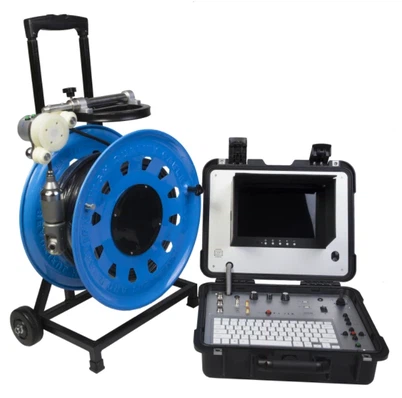
One of our popular products is the Hot Sale Borehole Inspection Camera. This camera is designed for use in boreholes and other small spaces. It features a high-resolution camera and a flexible cable that can be easily maneuvered.
Another product that we offer is the Borehole Deep Water Inspection Camera. This camera is designed for use in deep water applications. It features a rugged design and a high-resolution camera that can provide clear images even in low-light conditions.
We also offer the Hot Sale Borehole Camera 360deg. This camera is designed for use in boreholes and other small spaces. It features a 360-degree camera that can provide a complete view of the area.
Contact Us for Purchase
If you're interested in purchasing an ROV robot or any of our other products, please don't hesitate to contact us. We have a team of experts who can help you choose the right product for your needs and provide you with all the information you need to make an informed decision.
We also offer training and support services to ensure that you get the most out of your ROV. Our goal is to provide you with the best possible experience and to help you achieve your goals.
References
- Some safety guidelines from industry standards organizations
- Research on ROV safety and best practices