
What types of sewer cameras are there?
Leave a message

As a seasoned supplier in the sewer camera industry, I've witnessed firsthand the remarkable evolution of these essential inspection tools. Sewer cameras are indispensable for a wide range of applications, from plumbing and sewer maintenance to environmental monitoring and construction. In this blog post, I'll delve into the various types of sewer cameras available, their unique features, and the applications they're best suited for.
Rigid Borescope Cameras
Rigid borescope cameras are the simplest and most straightforward type of sewer camera. They consist of a rigid tube with a camera at one end and an eyepiece or a video monitor at the other. The rigid tube is typically made of metal or plastic and comes in various lengths and diameters to accommodate different inspection needs.
These cameras are ideal for inspecting straight pipes and small cavities where flexibility is not required. They offer high-resolution images and are relatively easy to use. However, their rigid design limits their ability to navigate around bends and curves in pipes.
Rigid borescope cameras are commonly used in plumbing applications, such as inspecting drain pipes, sewer lines, and water supply pipes. They're also used in industrial settings for inspecting machinery, engines, and other equipment.
Flexible Borescope Cameras
Flexible borescope cameras, also known as fiber optic borescopes, are designed to navigate through curved and irregular pipes. They consist of a flexible tube with a camera at one end and a control unit at the other. The flexible tube is made of a bundle of fiber optic cables that transmit light and images from the camera to the control unit.
These cameras offer greater flexibility and maneuverability compared to rigid borescope cameras. They can be easily inserted into pipes with bends and curves, allowing for a more comprehensive inspection. Flexible borescope cameras are available in various lengths and diameters to suit different applications.
Flexible borescope cameras are commonly used in plumbing, sewer, and drainage applications. They're also used in the automotive, aerospace, and manufacturing industries for inspecting engines, turbines, and other complex machinery.
Push Cameras
Push cameras, also known as drain cameras, are designed to be pushed through pipes to inspect their interior. They consist of a flexible cable with a camera at one end and a control unit at the other. The cable is typically made of a durable material, such as steel or kevlar, and comes in various lengths to accommodate different pipe sizes.
Push cameras are ideal for inspecting small to medium-sized pipes, such as residential drain pipes and sewer lines. They offer high-resolution images and can be easily maneuvered through pipes with bends and curves. Push cameras are available with different types of cameras, including color cameras and infrared cameras, to suit different inspection needs.
Push cameras are commonly used in plumbing and sewer maintenance applications. They're also used in the construction industry for inspecting underground pipes and conduits.
Crawler Cameras
Crawler cameras are the most advanced type of sewer camera. They consist of a small robotic vehicle with a camera and a lighting system mounted on it. The crawler is remotely controlled and can be driven through pipes to inspect their interior.
Crawler cameras offer several advantages over other types of sewer cameras. They can navigate through large pipes and sewer systems with ease, and they can provide high-resolution images and videos of the pipe interior. Crawler cameras are available with different types of cameras, including pan-and-tilt cameras and 360-degree cameras, to provide a comprehensive view of the pipe interior.
Crawler cameras are commonly used in large-scale sewer and drainage applications, such as municipal sewer systems and industrial wastewater treatment plants. They're also used in the oil and gas industry for inspecting pipelines and wells.
Borewell Inspection Cameras
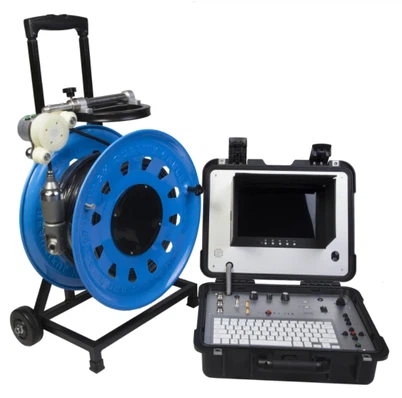
Borewell inspection cameras are specialized cameras designed for inspecting borewells and water wells. They can help identify issues such as cracks, blockages, and corrosion in the well casing and the surrounding rock formation.
These cameras are often equipped with features such as high-resolution imaging, powerful lighting, and waterproof housing to withstand the harsh conditions in borewells. For instance, the Borewell Inspection Camera offers reliable performance in borewell inspection scenarios.
Factory Borehole Water Well Cameras
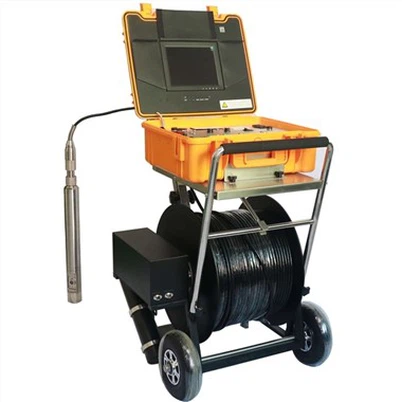
Factory borehole water well cameras are designed specifically for use in industrial and factory settings where water wells are crucial for operations. They are built to be durable and accurate, providing clear images of the well environment to ensure the proper functioning of the water supply system.
The Factory Borehole Water Well Camera is an example of a high - quality camera suitable for such applications. It can detect problems early, preventing costly downtime due to water supply disruptions.
Borehole Deep Water Inspection Cameras
Borehole deep water inspection cameras are engineered to operate at significant depths in boreholes. They need to withstand high water pressure and low light conditions. These cameras are essential for deep - seated borehole inspections, such as those in geothermal wells or deep aquifers.
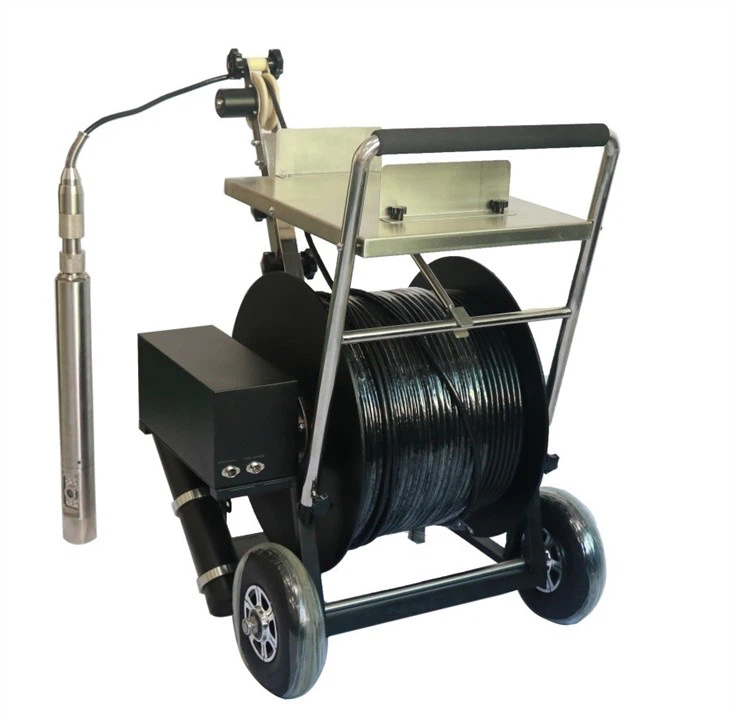

The Borehole Deep Water Inspection Camera is a great option for in - depth inspections in deep water boreholes, offering exceptional performance and reliable data collection.
Conclusion
In conclusion, the choice of sewer camera depends on the specific application and the requirements of the inspection. Rigid borescope cameras are suitable for straight pipes and small cavities, while flexible borescope cameras are better for curved and irregular pipes. Push cameras are ideal for small to medium-sized pipes, and crawler cameras are the best choice for large-scale sewer and drainage systems. If you are dealing with borewells or water wells, the specialized borewell inspection cameras and related products can provide accurate and detailed information.
As a supplier, I understand the importance of choosing the right sewer camera for your needs. I'm here to help you select the most suitable camera for your application and provide you with the support and expertise you need to ensure a successful inspection. Whether you're a plumber, a sewer maintenance contractor, or an industrial engineer, I have the right sewer camera solution for you.
If you're interested in learning more about our sewer cameras or would like to discuss your specific requirements, please don't hesitate to contact us. We're ready to assist you in making the best purchasing decision and look forward to the opportunity of working with you.
References
- Smith, J. (2020). Sewer Inspection Technologies. Plumbing World Journal, 15(3), 45 - 52.
- Johnson, A. (2019). Advancements in Borehole Inspection Cameras. Industrial Inspection Review, 22(4), 78 - 85.