
How do ROV robots operate in cold waters?
Leave a message

Operating ROV (Remotely Operated Vehicle) robots in cold waters presents a unique set of challenges that require careful consideration and specialized equipment. As a leading ROV robot supplier, we have extensive experience in providing solutions for underwater operations in various environments, including cold waters. In this blog post, we will explore how ROV robots operate in cold waters, the challenges they face, and the technologies and strategies we use to overcome them.
Understanding the Cold Water Environment
Cold waters are typically characterized by low temperatures, high pressure, and reduced visibility. These conditions can have a significant impact on the performance and functionality of ROV robots. For instance, low temperatures can cause the materials used in the ROV's construction to become brittle, leading to potential damage. High pressure can also put additional stress on the ROV's structure and components, increasing the risk of mechanical failure. Reduced visibility, often caused by sediment, plankton, or ice, can make it difficult for operators to navigate and perform tasks effectively.
Challenges of Operating ROVs in Cold Waters
1. Temperature Effects
The cold temperatures in these environments can affect the ROV's electronics and batteries. Electronics are sensitive to temperature changes, and extreme cold can cause components to malfunction or even fail. Batteries also have reduced performance in cold temperatures, with a decrease in capacity and a slower charging rate. This means that ROVs operating in cold waters may have a limited operational time before they need to be recharged or have their batteries replaced.
2. High Pressure
As the ROV descends into deeper cold waters, the pressure increases significantly. The high pressure can compress the ROV's hull and other components, potentially causing leaks or structural damage. Seals and gaskets, which are crucial for preventing water ingress, can also be affected by the high pressure, leading to water leakage and subsequent damage to the internal electronics.
3. Reduced Visibility
Poor visibility in cold waters can make it challenging for operators to control the ROV and perform tasks accurately. Without clear visual feedback, it is difficult to identify objects, navigate around obstacles, and carry out inspections or sampling. This can increase the time and effort required to complete a mission, as well as the risk of collisions or other accidents.

Technologies and Strategies for Cold Water Operations
1. Insulation and Heating Systems
To combat the effects of low temperatures, our ROVs are equipped with insulation materials and heating systems. Insulation helps to reduce heat loss from the ROV's components, keeping them at a more stable temperature. Heating systems, on the other hand, can be used to actively warm critical components, such as batteries and electronics, to ensure their proper functioning. These systems are carefully designed to be energy-efficient, minimizing the impact on the ROV's battery life.
2. Pressure-Resistant Design
Our ROVs are designed to withstand the high pressures encountered in cold waters. We use high-strength materials and advanced manufacturing techniques to construct the ROV's hull and other components. The hull is typically made of a thick, robust material that can resist compression, while the internal components are housed in pressure-resistant enclosures. Seals and gaskets are also carefully selected and installed to ensure a watertight seal, even under high pressure.
3. High-Visibility Lighting and Imaging Systems
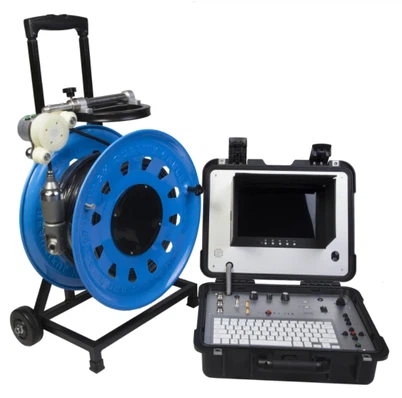
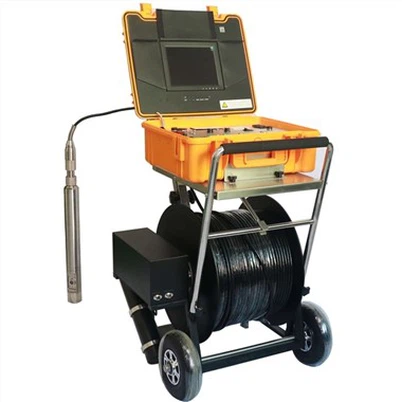
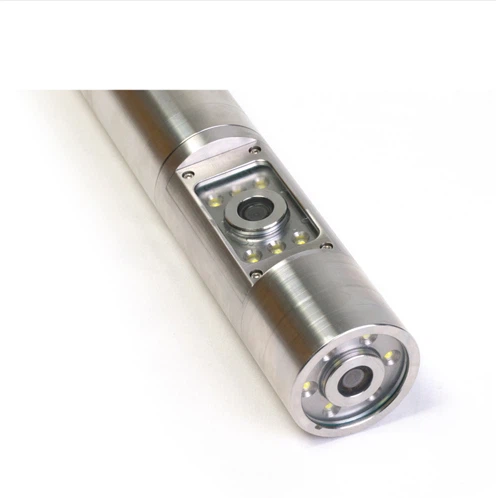
To overcome the problem of reduced visibility, our ROVs are equipped with high-intensity lighting systems and advanced imaging technologies. The lighting systems provide bright, focused illumination, allowing operators to see clearly in the dark underwater environment. The imaging systems, such as cameras and sonars, are capable of capturing high-quality images and data, even in low-light conditions. For example, our Best Pan and Tilt Underwater Fishing Video Camera Deep Water Camera GLF - UDC - V11S offers excellent image quality and pan-tilt functionality, making it ideal for cold water operations.
4. Navigation and Sonar Technologies
In addition to visual imaging, navigation and sonar technologies play a crucial role in operating ROVs in cold waters. Sonar systems can be used to detect objects and obstacles in the water, even when visibility is poor. They provide operators with information about the distance, size, and shape of objects, allowing them to navigate safely and avoid collisions. Our ROVs are also equipped with advanced navigation systems, such as GPS and inertial measurement units (IMUs), which provide accurate positioning and orientation information.
Case Studies of Cold Water ROV Operations
We have been involved in numerous cold water ROV operations around the world. One example is a project in the Arctic Ocean, where our ROVs were used to conduct underwater inspections of oil and gas pipelines. The cold temperatures and high pressures in the Arctic presented significant challenges, but our ROVs were able to perform the inspections successfully. The insulation and heating systems kept the electronics and batteries at a stable temperature, while the pressure-resistant design ensured the integrity of the ROV's structure. The high-visibility lighting and imaging systems allowed the operators to clearly see the pipelines and identify any potential issues.
Another case study is a research project in Antarctica, where our ROVs were used to study the marine ecosystem. The reduced visibility in the Antarctic waters was a major challenge, but the advanced sonar and imaging systems on our ROVs were able to provide valuable data about the underwater environment. The ROVs were also equipped with sampling devices, which allowed the researchers to collect biological samples for further analysis.
Maintenance and Care in Cold Water Operations
Proper maintenance and care are essential for ensuring the reliability and longevity of ROVs operating in cold waters. After each mission, the ROV should be thoroughly cleaned and inspected for any signs of damage. The insulation and heating systems should be checked to ensure they are functioning properly, and the batteries should be recharged or replaced as needed. Regular servicing and calibration of the ROV's components, such as the cameras, sonars, and navigation systems, are also important to maintain their accuracy and performance.
Conclusion
Operating ROV robots in cold waters is a challenging but rewarding endeavor. By understanding the unique characteristics of the cold water environment and implementing appropriate technologies and strategies, we can overcome the challenges and ensure the successful operation of our ROVs. As a leading ROV robot supplier, we are committed to providing our customers with high-quality, reliable equipment and comprehensive support for their cold water operations.
If you are interested in learning more about our ROV robots or have a specific project in mind, we encourage you to contact us for a detailed discussion. Our team of experts is ready to assist you in finding the best solution for your needs. Whether you are conducting scientific research, inspecting underwater infrastructure, or exploring the deep sea, our ROVs are designed to meet the challenges of cold water environments.
References
- Smith, J. (2019). Underwater Robotics in Cold Environments. Journal of Marine Technology, 25(3), 123 - 135.
- Johnson, A. (2020). Challenges and Solutions for ROV Operations in High - Pressure Cold Waters. Ocean Science Review, 12(2), 45 - 58.
- Brown, C. (2021). Advanced Imaging and Navigation Technologies for Cold Water ROVs. Robotics and Automation Magazine, 18(4), 78 - 89.