
What is the temperature range a snake camera can operate in?
Leave a message

What is the Temperature Range a Snake Camera can Operate in?
As a well - established snake camera supplier, we understand that many customers are curious about the temperature range within which a snake camera can effectively operate. This is a crucial factor, especially since snake cameras are used in a wide variety of applications, each with its own unique environmental conditions.
General Temperature Ranges for Snake Cameras
Most standard snake cameras on the market are designed to operate within a temperature range of approximately 0°C to 50°C (32°F to 122°F). This range is suitable for a large number of common inspection scenarios. For instance, in indoor plumbing inspections, the ambient temperature usually falls well within this range. When plumbers are trying to locate blockages or leaks in pipes within a building, the temperature inside the building is typically maintained at a comfortable level, which is within the operating temperature range of the snake camera.
However, it's important to note that different components of the snake camera may have different temperature tolerances. The camera sensor, which is a key component, generally has a relatively stable performance within the normal operating temperature range. But extreme temperatures can affect its functionality. High temperatures can cause the sensor to overheat, leading to distorted images, color inaccuracies, or even sensor failure in severe cases.
On the other hand, low temperatures can slow down the electronic processes within the camera. The battery life of the snake camera can also be significantly impacted by cold temperatures. Batteries tend to discharge more quickly in cold environments, which means that the operating time of the snake camera will be reduced.
Specialized Snake Cameras for Extreme Temperatures
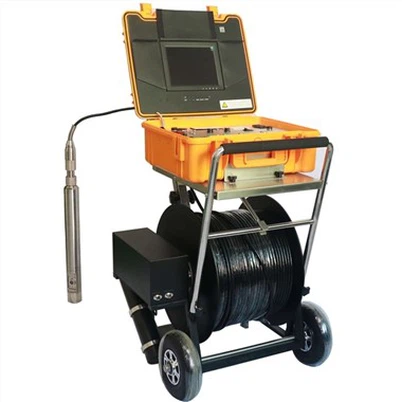
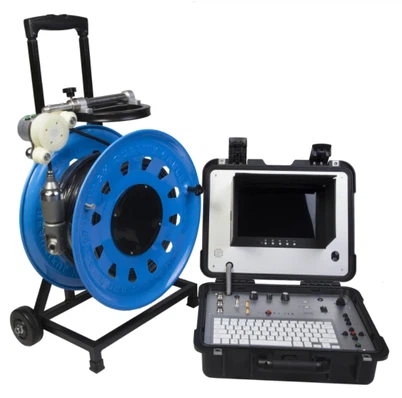
In some industrial or specialized applications, the standard temperature range of a snake camera may not be sufficient. For example, in geothermal energy exploration, boreholes can have extremely high temperatures. In such cases, we offer specialized Borehole UnderWater well inspection camera that are designed to withstand much higher temperatures, sometimes up to 150°C (302°F) or even more. These cameras are built with high - temperature - resistant materials and advanced cooling mechanisms to ensure that they can operate effectively in the harsh environment of deep boreholes.
Conversely, for applications in cold regions such as arctic oil pipeline inspections or refrigeration system inspections, we have snake cameras that can function in temperatures as low as - 20°C (- 4°F). These cameras are equipped with specially designed insulation and heating elements to maintain the internal temperature of the camera components within a safe operating range.
Impact of Temperature on Camera Performance
Temperature not only affects the camera's electronic components but also its mechanical parts. The flexible snake tube of the camera, which is usually made of materials like PVC or metal alloys, can become brittle in cold temperatures. This brittleness can increase the risk of the tube breaking during operation, especially when it is being maneuvered through tight spaces.
In high - temperature environments, the lubricants used in the joints of the snake tube can thin out, reducing their effectiveness. This can make it more difficult to control the movement of the camera head, which is an essential feature for accurate inspections.
We also need to consider the impact of temperature on the image quality. As mentioned earlier, high temperatures can cause the camera sensor to malfunction, resulting in poor image quality. Additionally, extreme temperatures can cause the lens of the camera to fog up or develop condensation, which will obscure the view and make it difficult to obtain clear inspection images.
How to Ensure Optimal Performance within the Temperature Range
To ensure that your snake camera performs optimally within its operating temperature range, it's important to follow some simple guidelines. Before using the camera, make sure that it has had enough time to adjust to the ambient temperature. If you are bringing the camera from a cold environment into a warm place or vice versa, let it sit for a while to equalize the temperature.
Regular maintenance of the camera is also crucial. Check the camera for any signs of damage or wear and tear, especially after use in extreme temperature conditions. Clean the lens and the snake tube regularly to prevent the build - up of dirt and debris, which can further affect the camera's performance.
Other Factors Related to Temperature and Snake Camera Use
In addition to the direct impact of temperature on the snake camera, there are also some indirect factors that need to be considered. For example, humidity often varies with temperature. High humidity levels at high temperatures can lead to corrosion of the camera's metal parts. In cold environments, high humidity can cause ice to form on the camera, which can damage the lens and other components.
The type of lighting used with the snake camera can also be affected by temperature. LED lights, which are commonly used in snake cameras, may have a reduced lifespan or output in extreme temperature conditions.
Our Product Range and Temperature Compatibility
As a snake camera supplier, we take pride in offering a wide range of products to meet different customer needs. Our Best Pipe Crawler Robot is designed to operate in a variety of temperature conditions. Whether it's for inspecting large - diameter pipes in a warm industrial setting or small - bore pipes in a cold basement, our pipe crawler robot can adapt to the environment.
Our Miniature Tilt Remote Control Device For Sewer Pipe Inspection Camera To Push Endoscope Rod is also engineered to work within a reasonable temperature range. It allows for precise control of the snake camera endoscope rod, ensuring that inspections can be carried out accurately regardless of the temperature within its operating limits.
Conclusion
In conclusion, the temperature range a snake camera can operate in varies depending on the type of camera and its intended application. Standard snake cameras typically operate between 0°C and 50°C, but specialized cameras can withstand much more extreme temperatures. Understanding the temperature limitations of your snake camera and taking appropriate measures to ensure its performance is crucial for successful inspections.
If you are in the market for a snake camera or have any questions about our products' temperature compatibility and performance, we encourage you to reach out to us for more information. Our team of experts is ready to provide you with detailed guidance and help you choose the most suitable snake camera for your specific needs. We look forward to having the opportunity to discuss your requirements and assist you in your procurement process.


References
- "Handbook of Industrial Inspection Cameras", Smith, J., 2018
- "Advanced Electronics in Inspection Technologies", Johnson, A., 2020