
Can a sewer camera be used to inspect vertical pipes?
Leave a message

Sewer cameras have become indispensable tools in the plumbing and infrastructure inspection industry. They offer a non - invasive way to assess the condition of pipes, detect blockages, and identify structural issues. But a common question that often arises is: Can a sewer camera be used to inspect vertical pipes? As a sewer camera supplier, I'm here to delve into this topic and provide you with comprehensive insights.

Understanding the Basics of Sewer Cameras
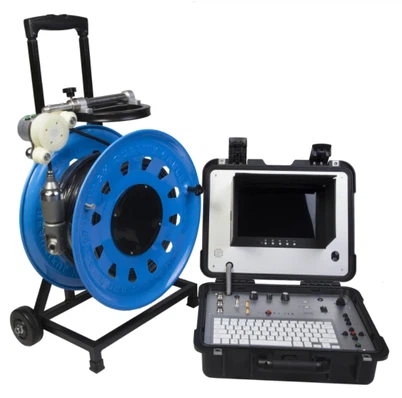
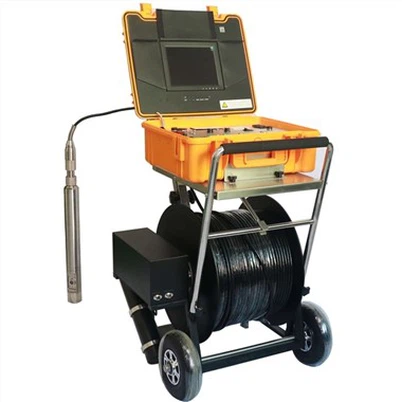
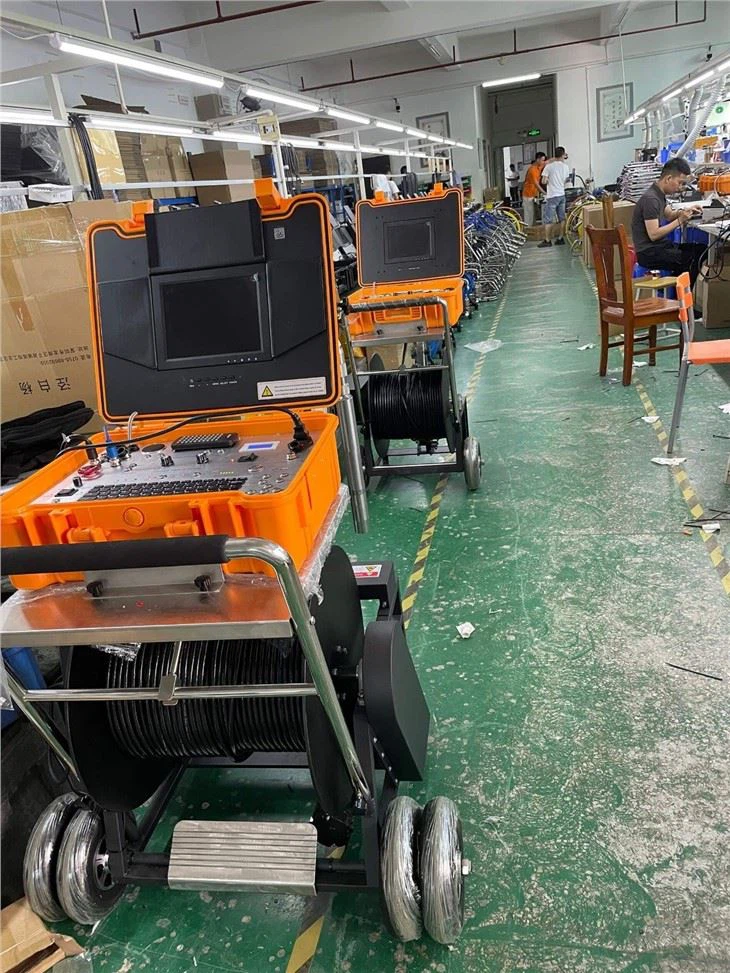
Before we discuss their applicability to vertical pipes, let's understand what sewer cameras are. Sewer cameras are specialized devices equipped with a high - resolution camera attached to a flexible cable. The camera is inserted into the pipe, and the operator can view the interior of the pipe on a monitor. These cameras are designed to withstand harsh environments, including wet, dirty, and tight spaces within pipes. They come in different lengths, diameters, and camera configurations to suit various inspection needs.
Challenges of Inspecting Vertical Pipes
Inspecting vertical pipes presents several unique challenges compared to horizontal pipes. Gravity is the primary factor. In horizontal pipes, the camera can be easily pushed or pulled along the length of the pipe. However, in vertical pipes, gravity can cause the camera to either fall too quickly or not move at all, depending on the direction of the inspection.
If the inspection is from the top down, the camera may descend too rapidly, making it difficult to capture clear and detailed images of the pipe interior. On the other hand, if the inspection is from the bottom up, the camera needs to overcome the force of gravity, which can put additional strain on the cable and the camera mechanism.
Another challenge is the orientation of the camera. In vertical pipes, ensuring that the camera remains in the correct orientation to provide a useful view of the pipe walls can be tricky. Unlike horizontal pipes where the camera can be more easily stabilized, in vertical pipes, the camera may shift or rotate, resulting in a skewed or incomplete view.
Capabilities of Sewer Cameras for Vertical Pipe Inspection
Despite these challenges, modern sewer cameras can indeed be used to inspect vertical pipes, and they offer several advantages in doing so.
Advanced Camera Features
Many of the sewer cameras we supply are equipped with high - resolution cameras that can capture clear images even in low - light conditions. This is crucial for vertical pipe inspection, as the interior of pipes is often dark, and the rapid movement of the camera due to gravity may require quick and accurate image capture.
Some cameras also have adjustable lighting systems. For example, LED lights can be adjusted to provide optimal illumination depending on the depth and diameter of the vertical pipe. This ensures that the entire circumference of the pipe is well - lit, allowing for a thorough inspection.
Flexible Cable Design
The cables used in sewer cameras are designed to be flexible and strong. They can bend and maneuver around bends and curves in vertical pipes. Our cameras feature cables with excellent tensile strength, which is essential for vertical inspections. When inspecting from the bottom up, the cable needs to support the weight of the camera and withstand the force of pulling the camera against gravity.
Orientation Control
To address the issue of camera orientation, some sewer cameras come with built - in orientation sensors. These sensors can detect the position of the camera and adjust the image output on the monitor accordingly. This means that even if the camera rotates or shifts in the vertical pipe, the operator will always see a correctly oriented view of the pipe interior.
Applications of Sewer Cameras in Vertical Pipe Inspection
Septic Tanks and Drainage Systems
Vertical pipes are commonly found in septic tanks and drainage systems. Sewer cameras can be used to inspect the pipes connecting the septic tank to the drain field. These pipes are often buried underground and can develop cracks, blockages, or root intrusions over time. By using a sewer camera, plumbers can quickly identify the location and extent of the problem, allowing for targeted repairs.
Building Plumbing
In multi - story buildings, vertical pipes are used for water supply, drainage, and ventilation. Sewer cameras can be used to inspect these pipes for leaks, corrosion, or blockages. This is especially important in older buildings where the pipes may be deteriorating. By using a sewer camera, building maintenance teams can avoid costly and invasive repairs by detecting and addressing issues early.
Related Products for Specialized Vertical Pipe Inspection
In addition to standard sewer cameras, we also offer specialized cameras for vertical pipe inspection, such as the Borewell Inspection Camera. This camera is designed for deep - bore inspections and can be used in vertical pipes with high depths. It has a robust construction and is suitable for use in harsh underground environments.
The Underwater dual view borescope inspection camera is another option. It provides a dual view, which is useful for inspecting vertical pipes with complex geometries. The camera can capture both forward and side - view images, allowing for a more comprehensive inspection.
For extremely deep vertical pipes, our Borehole Deep Water Inspection Camera is an ideal choice. It is designed to withstand high water pressure and can be used for inspections in deep boreholes and vertical pipes located underwater.
Tips for Successful Vertical Pipe Inspection with Sewer Cameras
Pre - inspection Preparation
Before inserting the camera into the vertical pipe, it's important to clean the pipe as much as possible. Debris and sediment in the pipe can obstruct the camera's view and may even damage the camera. Use appropriate cleaning tools such as drain snakes or high - pressure water jets to clear the pipe.
Controlling Camera Descent or Ascent
When inspecting from the top down, use a slow - release mechanism to control the speed of the camera's descent. This can be achieved by using a winch or a manual braking system on the cable. When inspecting from the bottom up, ensure that the cable is properly tensioned and that the camera is moving at a steady pace.
Monitoring and Data Recording
During the inspection, continuously monitor the camera feed on the monitor. Record the entire inspection process for later analysis. This can be useful for documenting the condition of the pipe, preparing repair reports, and providing evidence to clients.
Conclusion
In conclusion, sewer cameras can be effectively used to inspect vertical pipes. Although there are challenges associated with vertical inspections, modern sewer cameras with advanced features such as high - resolution imaging, adjustable lighting, flexible cables, and orientation control can overcome these challenges. Whether it's for septic tanks, building plumbing, or deep - bore inspections, sewer cameras offer a reliable and efficient way to assess the condition of vertical pipes.
If you are in need of a reliable sewer camera for vertical pipe inspection or other pipe inspection needs, we are here to assist you. Our team of experts can provide you with the right camera solution based on your specific requirements. Contact us to discuss your needs and start your next inspection project with confidence.
References
- Smith, J. (2022). Pipe Inspection Technologies: A Comprehensive Guide. Plumbing Press.
- Johnson, A. (2021). Advantages of Camera - Based Pipe Inspections. Infrastructure Journal.