
What is the depth of field of a snake camera?
Leave a message

Hey there! As a snake camera supplier, I often get asked about the depth of field of snake cameras. So, let's dive right in and explore what this term means and how it impacts the performance of our nifty little devices.
First off, what exactly is depth of field? In simple terms, it's the range of distance in a scene that appears acceptably sharp in an image or video. For a snake camera, this means how far in front of and behind the point of focus the objects still look clear. A camera with a large depth of field will keep both nearby and distant objects sharp, while one with a shallow depth of field will have a narrow range of sharpness, making objects outside that range look blurry.
Now, why does the depth of field matter for snake cameras? Well, these cameras are used in all sorts of applications, from inspecting pipes and drains to checking out hard - to - reach areas in industrial settings. In a pipe inspection scenario, for example, you might want to see both the immediate area around the camera lens (like a crack in the pipe wall) and also have a clear view further down the pipe to spot any blockages or other issues.
The depth of field of a snake camera is influenced by several factors. One of the main ones is the aperture. The aperture is the opening in the camera lens that lets light in. A smaller aperture (a higher f - number) will generally result in a larger depth of field. This is because a smaller opening restricts the light rays in such a way that a greater range of distances from the lens are in focus.
Another factor is the focal length of the lens. Shorter focal lengths usually give a larger depth of field compared to longer ones. Snake cameras often come with different lens options, and the choice of focal length can be tailored to the specific application. For instance, if you're mainly inspecting small, confined spaces, a shorter focal length might be more suitable as it can provide a wider field of view and a larger depth of field.
The distance between the camera and the subject also plays a role. Generally, the closer the camera is to the subject, the shallower the depth of field will be. So, when using a snake camera, you need to be aware of how close you are to the object you're trying to inspect.

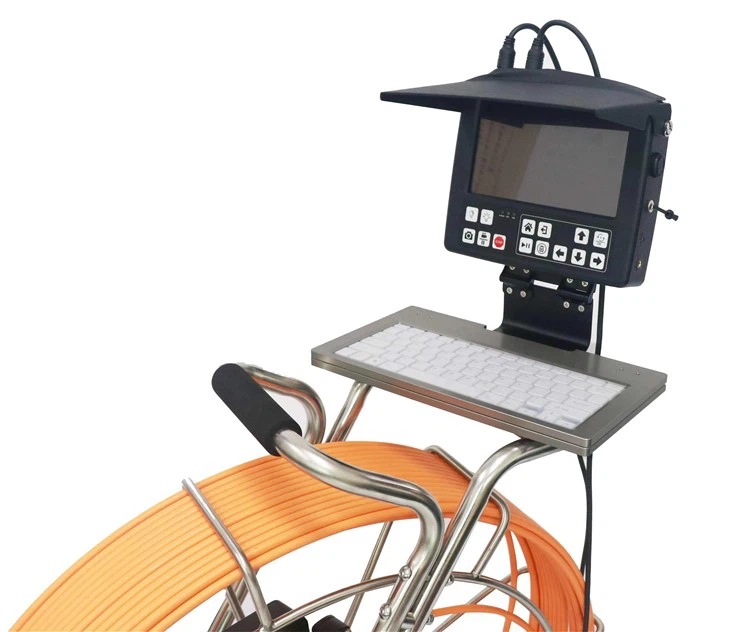
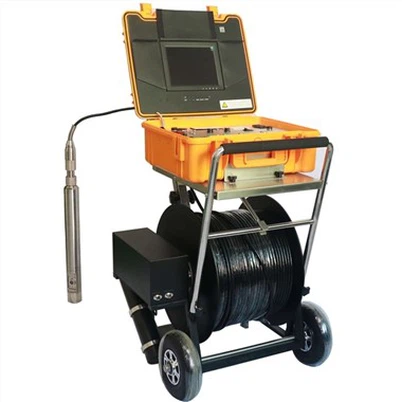
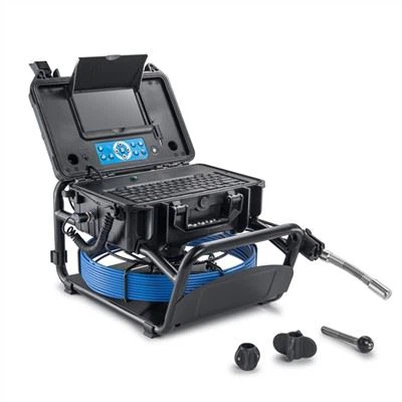
Let's talk about some of the practical implications of depth of field in real - world scenarios. If you're using a Pipe Inspection Camera For Drain With Locator, having a good depth of field is crucial. You want to be able to clearly see not only the inside of the drain pipe right in front of the camera but also any potential blockages or damage further down the line. This camera is equipped with a locator, which is super handy for finding the exact position of the camera within the pipe system. And with a proper depth of field, you can get a comprehensive view of the pipe's condition.
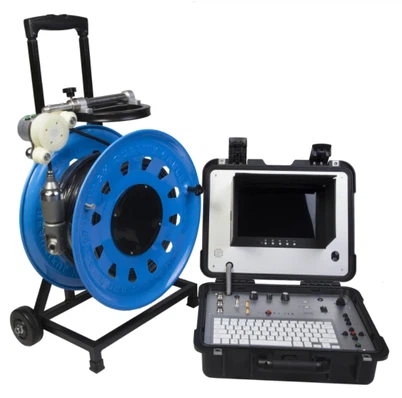
Similarly, the Pan & Tilt Pipe Inspection Camera offers the ability to move the camera head in different directions. When you're panning and tilting to get a better view of the pipe interior, a large depth of field ensures that no matter where the camera is pointed, the important details remain sharp. This camera is also paired with a 512Hz pipe receiver, which helps in accurately locating the camera and any issues in the sewer or drainage system.
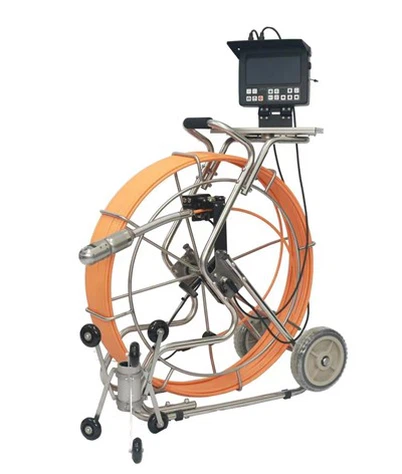
For industrial applications, our Industrial CCTV Drain Sewer Camera is a top - notch choice. In industrial settings, pipes can be large and complex, and there may be a lot of different elements to inspect. A wide depth of field allows the camera to capture clear images of various parts of the pipe, including the walls, joints, and any potential obstructions. This camera is built to withstand the harsh conditions of industrial environments, making it a reliable tool for in - depth inspections.
As a supplier, we understand that different customers have different needs when it comes to depth of field. That's why we offer a range of snake cameras with various lens options and settings. Whether you need a camera with a very large depth of field for long - range pipe inspections or a shallower depth of field for more detailed close - up work, we've got you covered.
If you're in the market for a snake camera, it's important to consider your specific application and how the depth of field will impact your ability to get the information you need. Don't hesitate to reach out to us if you have any questions about which camera is the best fit for your project. We're here to help you make an informed decision and ensure that you get the most out of your snake camera.
In conclusion, the depth of field of a snake camera is a critical factor that can significantly affect its performance in different inspection scenarios. By understanding how it works and the factors that influence it, you can choose the right camera for your needs. Whether it's for residential pipe inspections or large - scale industrial projects, our snake cameras are designed to provide clear, sharp images with the appropriate depth of field.
If you're interested in purchasing a snake camera or want to discuss your requirements further, feel free to get in touch with us. We're always happy to have a chat and help you find the perfect solution for your inspection needs.
References
- General knowledge of photography and camera technology
- Product specifications of our snake cameras