
What is the weight of a typical pipe camera?
Leave a message

When it comes to the field of pipe inspection, pipe cameras have become indispensable tools. As a seasoned pipe camera supplier, I often encounter questions from customers about various aspects of our products, and one frequently asked question is: "What is the weight of a typical pipe camera?" In this blog post, I'll delve into this topic, exploring the factors that influence the weight of pipe cameras and providing a general understanding of what you can expect.
Understanding the Components of a Pipe Camera System
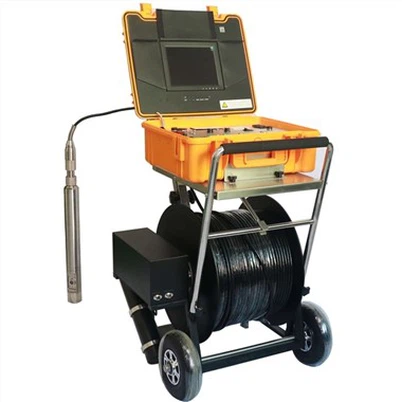
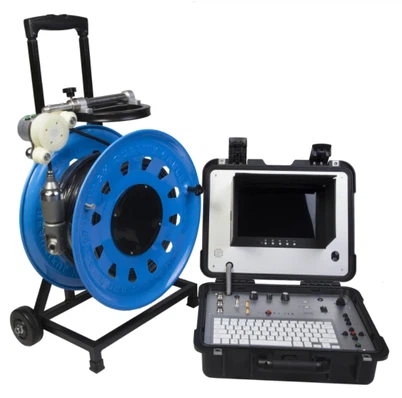
Before we discuss the weight, it's essential to understand the main components of a pipe camera system. A typical pipe camera setup usually consists of a camera head, a cable, a control unit, and sometimes additional accessories. Each of these components contributes to the overall weight of the system.


The camera head is the part that is inserted into the pipe for inspection. It is designed to be compact and durable, often made of high - quality materials such as stainless steel or high - strength plastics. The size and construction of the camera head can vary depending on the intended application. For example, cameras used for small - diameter pipes will be smaller and lighter compared to those used for large - diameter industrial pipes.
The cable is another significant component. It connects the camera head to the control unit and is responsible for transmitting the video signal and power. The length and thickness of the cable can have a substantial impact on the weight. Longer cables are required for deeper or longer pipe inspections, and thicker cables are often used to ensure reliable signal transmission and durability.
The control unit is where the operator can view the video feed from the camera head, adjust settings, and store data. It usually contains a display screen, control buttons, and internal electronics. The size and features of the control unit can vary, with more advanced units having larger screens and additional functionality, which may also increase the weight.
Factors Affecting the Weight of a Pipe Camera
- Camera Head Design and Functionality
The weight of the camera head can range from a few ounces to several pounds. Simple camera heads with basic functionality are generally lighter. For instance, a camera head designed for residential plumbing inspections may weigh around 8 - 12 ounces. These cameras are often small and lightweight to easily navigate through the narrow pipes in homes.
On the other hand, camera heads with advanced features such as high - resolution imaging, pan - tilt - zoom capabilities, and built - in lighting systems will be heavier. Industrial - grade camera heads used for large - scale infrastructure inspections can weigh up to 5 pounds or more. The additional components required to achieve these advanced functions add to the overall weight.
- Cable Length and Type
Cable weight is directly proportional to its length. A short cable, say 25 feet, may weigh only a few pounds. However, for inspections in deep boreholes or long sewer lines, cables can be hundreds of feet long. A 100 - foot cable can weigh anywhere from 10 to 20 pounds, depending on its thickness and construction.
The type of cable also matters. Some cables are designed to be more flexible, which may require a different material composition and can affect the weight. For example, a cable with a high - strength outer sheath for protection against abrasion may be heavier than a standard cable.
- Control Unit Features
The control unit's weight can vary significantly based on its features. A basic control unit with a small display and limited functionality may weigh around 5 - 10 pounds. These units are suitable for simple inspections where the operator only needs to view the video feed.
In contrast, advanced control units with large, high - resolution displays, built - in storage for recording video and images, and the ability to connect to external devices such as printers or computers can weigh 15 - 25 pounds or more. These units are often used in professional inspection services where detailed data collection and analysis are required.
Typical Weight Ranges of Pipe Cameras
Based on the above factors, we can provide some general weight ranges for different types of pipe cameras:
-
Residential Pipe Cameras
For residential plumbing inspections, a complete pipe camera system (including camera head, cable, and control unit) typically weighs between 15 and 30 pounds. The camera head is usually light, around 8 - 12 ounces, the cable is often 25 - 50 feet long and weighs a few pounds, and the control unit is relatively compact, weighing 10 - 20 pounds. -
Commercial and Industrial Pipe Cameras
Commercial and industrial pipe camera systems are generally heavier. For medium - sized commercial buildings or industrial facilities, a system can weigh between 30 and 50 pounds. The camera head may be larger and more robust, weighing 1 - 3 pounds, the cable can be 50 - 100 feet long and weigh 10 - 20 pounds, and the control unit, with its advanced features, can weigh 15 - 30 pounds.
For large - scale industrial applications such as oil and gas pipelines or municipal sewer systems, the weight of the pipe camera system can exceed 50 pounds. The camera head may be very large and heavy, up to 5 pounds or more, the cable can be several hundred feet long and weigh 20 - 50 pounds, and the control unit, which may have extensive data - logging and analysis capabilities, can weigh 25 - 50 pounds.
Why Does the Weight Matter?
The weight of a pipe camera system is an important consideration for several reasons. Firstly, portability is a key factor, especially for inspection teams that need to move the equipment from one location to another. A lighter system is easier to transport and set up, reducing the physical strain on the operators.
Secondly, the weight can affect the ease of use during inspections. A heavy cable may be more difficult to handle and maneuver, especially in tight spaces or when working at heights. Similarly, a heavy control unit may be cumbersome to carry around during long - term inspections.
Finally, the weight can also impact the cost of shipping and storage. Heavier equipment may require more expensive shipping options, and additional storage space may be needed to accommodate the system.
Our Product Offerings
As a pipe camera supplier, we offer a wide range of pipe camera systems to meet the diverse needs of our customers. Our product line includes Borehole Inspection Camera, Borewell Inspection Camera, and Factory Borehole Water Well Camera. Each of these products is designed with careful consideration of weight and functionality to provide the best possible inspection experience.
We understand that different customers have different requirements, and we are committed to helping you choose the right pipe camera system based on your specific needs. Whether you need a lightweight system for residential inspections or a heavy - duty system for industrial applications, we have the expertise and products to meet your expectations.
Contact Us for Purchase and Consultation
If you are interested in purchasing a pipe camera system or have any questions about our products, we encourage you to contact us. Our team of experts is ready to assist you in selecting the most suitable system for your needs, providing detailed information about the weight, features, and pricing of our products. We look forward to the opportunity to work with you and help you achieve efficient and effective pipe inspections.
References
- Pipe Inspection Technology Handbook, Third Edition.
- Industry reports on pipe inspection equipment.