
Can a sewer camera be used for detecting gas leaks in sewers?
Leave a message

Can a Sewer Camera be Used for Detecting Gas Leaks in Sewers?
As a supplier of sewer cameras, I often encounter various inquiries from customers regarding the capabilities and applications of our products. One question that has come up frequently is whether a sewer camera can be used for detecting gas leaks in sewers. In this blog post, I will explore this topic in detail, analyzing the potential uses and limitations of sewer cameras in gas leak detection.
Understanding Sewer Cameras
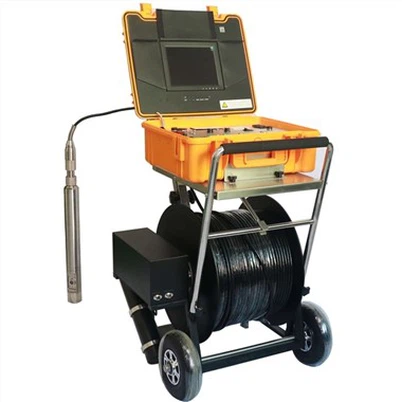
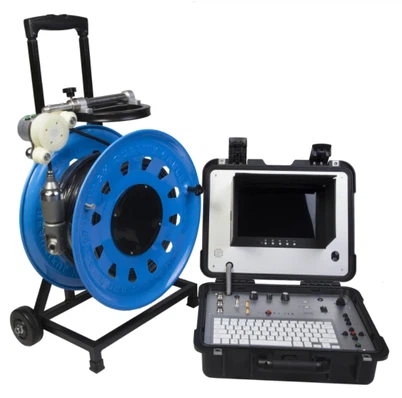
Sewer cameras are specialized devices designed to inspect the interior of sewer pipes. They typically consist of a camera head attached to a flexible cable, which can be inserted into the sewer line. The camera provides real - time video footage of the pipe's interior, allowing operators to identify issues such as blockages, cracks, and pipe deterioration. These cameras come in different types, including rigid and flexible models, and are equipped with features like high - resolution imaging, adjustable lighting, and pan - tilt functionality.
The Nature of Gas Leaks in Sewers
Gas leaks in sewers can be extremely dangerous. Sewer systems can contain a variety of gases, including methane, hydrogen sulfide, and carbon dioxide. Methane is highly flammable, and hydrogen sulfide is toxic and has a characteristic rotten - egg smell. Detecting these gas leaks is crucial for public safety, as they can lead to explosions, fires, and health risks.


Can Sewer Cameras Detect Gas Leaks?
In general, sewer cameras are not designed to directly detect gas leaks. These cameras are primarily visual inspection tools that rely on light and image capture to identify physical defects in the sewer pipes. Gas is invisible to the naked eye, and therefore, a standard sewer camera cannot detect the presence of gas in the sewer system.
However, there are some indirect ways in which a sewer camera might assist in the process of gas leak detection:
- Identifying Physical Damage: A sewer camera can help identify cracks, holes, or other physical damage in the sewer pipes. These openings can be potential sources of gas leaks. For example, if the camera detects a large crack in a pipe, it is possible that gas is escaping through this opening. By pinpointing the location of the damage, further gas testing can be carried out at these specific points.
- Monitoring Changes in the Environment: In some cases, a sewer camera can be used to observe changes in the sewer environment that might be associated with gas leaks. For instance, if there is a build - up of bubbles or a disturbance in the water flow near a particular area of the pipe, it could indicate the presence of gas escaping into the sewer. Although this is not a definitive way of detecting gas, it can provide clues for further investigation.
Limitations of Using Sewer Cameras for Gas Leak Detection
Despite the potential indirect benefits, there are significant limitations to using sewer cameras for gas leak detection:
- Inability to Measure Gas Concentration: Sewer cameras cannot measure the concentration of gases in the sewer system. Gas detection requires specialized sensors that can accurately measure the amount of gas present. Without this information, it is impossible to determine the severity of the gas leak or whether it poses an immediate danger.
- Lack of Sensitivity to Different Gases: Different gases have different properties, and a sewer camera has no way of distinguishing between them. For example, methane and hydrogen sulfide have different chemical and physical characteristics, and a camera cannot tell which gas is leaking or if multiple gases are present.
- Reliance on Visual Clues: The indirect methods of gas leak detection using a sewer camera rely on visual clues, which can be subjective and unreliable. What might appear to be a sign of a gas leak could be caused by other factors, such as a change in water pressure or the presence of debris in the pipe.
Complementary Tools for Gas Leak Detection
To effectively detect gas leaks in sewers, it is necessary to use specialized gas detection equipment in conjunction with sewer cameras. Some of these tools include:
- Gas Detectors: These are handheld or fixed - mounted devices that can detect the presence and concentration of specific gases. They work by using sensors that react to the target gases and provide a numerical reading of the gas concentration.
- Infrared Cameras: Infrared cameras can detect the heat signatures associated with gas leaks. Some gases absorb and emit infrared radiation, and an infrared camera can detect these changes, allowing for the visualization of gas plumes.
Our Sewer Camera Products and Their Applications
As a sewer camera supplier, we offer a range of high - quality products that are suitable for various sewer inspection tasks. Our cameras are equipped with advanced features to ensure clear and accurate visual inspection of sewer pipes.
If you are interested in our other related products, you can check out our Factory Borehole Water Well Camera, Borewell Inspection Camera, and Borehole Inspection Camera. These cameras are designed for different applications, such as borehole inspection and water well monitoring.
Conclusion and Call to Action
In conclusion, while sewer cameras cannot directly detect gas leaks in sewers, they can play a complementary role in the gas leak detection process by identifying physical damage and providing visual clues. However, to ensure accurate and reliable gas leak detection, it is essential to use specialized gas detection equipment.
If you are in the market for high - quality sewer cameras or need more information about our products and their applications, we encourage you to contact us for a detailed discussion. Our team of experts is ready to assist you in finding the right solution for your sewer inspection needs. Whether you are a municipality, a plumbing contractor, or an industrial facility, we can provide you with the best products and support.
References
- American Society of Civil Engineers. (2012). Sewer System Management Manual.
- National Fire Protection Association. (2019). NFPA 820: Standard for Fire Protection of Sanitary Sewer Systems.
- Environmental Protection Agency. (2020). Guidelines for Sewer System Maintenance and Management.