
How do ROV robots protect underwater cultural heritage?
Leave a message

Underwater cultural heritage represents a rich tapestry of human history, art, and technology submerged beneath the world's oceans, lakes, and rivers. This heritage, which includes shipwrecks, ancient settlements, and submerged artifacts, provides invaluable insights into past civilizations and their interactions with the marine environment. However, these underwater treasures face numerous threats, including natural degradation, looting, and industrial activities. In recent years, Remotely Operated Vehicles (ROVs) have emerged as powerful tools in the protection and preservation of underwater cultural heritage. As an ROV robot supplier, I am excited to share how these remarkable machines are making a significant impact in this field.
Understanding the Threats to Underwater Cultural Heritage
Before delving into the role of ROVs, it is essential to understand the challenges facing underwater cultural heritage. Natural processes such as corrosion, sedimentation, and biofouling can gradually degrade artifacts and structures over time. Additionally, human activities pose a significant threat. Illegal looting, driven by the high demand for antiquities in the black market, can result in the irreversible loss of historical artifacts. Industrial activities, such as deep - sea mining, oil and gas exploration, and shipping, can also cause physical damage to underwater cultural sites.
How ROVs Assist in the Protection of Underwater Cultural Heritage
Exploration and Mapping
One of the primary ways ROVs contribute to the protection of underwater cultural heritage is through exploration and mapping. ROVs are equipped with high - resolution cameras, sonar systems, and other sensors that allow them to navigate the underwater environment and collect detailed data. These robots can reach depths and areas that are difficult or dangerous for human divers to access.


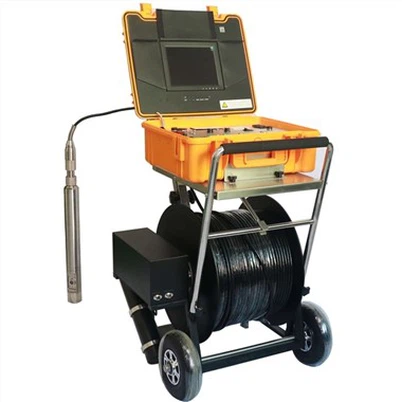
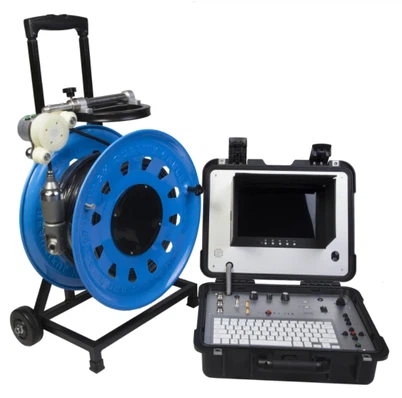
For example, our ROVs can be outfitted with advanced sonar technology that can create detailed 3D maps of the seabed. These maps help archaeologists identify potential cultural heritage sites, such as shipwrecks or ancient settlements. The Factory Borehole Water Well Camera we offer is capable of providing clear visual images even in murky waters, enabling researchers to detect and document submerged artifacts accurately.
Monitoring and Surveillance
ROVs also play a crucial role in monitoring and surveillance of underwater cultural heritage sites. Once a site has been identified, continuous monitoring is necessary to track any changes caused by natural processes or human activities. Our ROVs can be deployed at regular intervals to check for signs of degradation, looting, or damage.
The Drilling Inspection Camera Waterproof 30 Bar is designed to withstand high - pressure environments and can be used for long - term monitoring. It can capture real - time video and images, allowing archaeologists and conservationists to assess the condition of the site remotely. This helps in the early detection of any threats, enabling prompt action to be taken to protect the heritage.
Non - Intrusive Data Collection
ROVs offer a non - intrusive method of collecting data from underwater cultural heritage sites. Unlike traditional archaeological excavation methods, which can sometimes cause damage to artifacts and the surrounding environment, ROVs can collect data without disturbing the site.
Our ROVs are equipped with sampling tools that can collect sediment samples, water samples, and small artifacts for analysis without causing significant disruption. The Underwater Borehole Inspection Camera can be used to inspect the interior of boreholes or other structures associated with underwater heritage, providing valuable information about the site's construction and history.
Preservation and Conservation
In some cases, ROVs can be used for preservation and conservation efforts. For example, they can be used to apply protective coatings to artifacts to prevent corrosion or to install barriers to protect sites from physical damage. Our ROVs can be customized with specialized equipment for these tasks, allowing for targeted preservation measures.
Case Studies
There are numerous successful case studies that demonstrate the effectiveness of ROVs in protecting underwater cultural heritage. In the Mediterranean Sea, ROVs have been used to explore and monitor ancient shipwrecks. These ROVs have provided detailed images of the wrecks, allowing archaeologists to study the construction techniques and cargo of the ships. This information has helped in understanding the trade routes and economic activities of ancient civilizations in the region.
In the Baltic Sea, ROVs have been used to monitor the condition of well - preserved wooden shipwrecks. By regularly inspecting these wrecks, conservationists have been able to detect early signs of decay and take appropriate measures to prevent further damage.
The Future of ROVs in Underwater Cultural Heritage Protection
As technology continues to advance, the capabilities of ROVs in protecting underwater cultural heritage will only improve. Future ROVs are likely to be more autonomous, with advanced artificial intelligence algorithms that can make decisions in real - time. This will allow for more efficient exploration and monitoring of large areas of the ocean floor.
In addition, improvements in sensor technology will enable ROVs to detect and analyze a wider range of materials and substances. This will provide more detailed information about underwater cultural heritage sites, helping archaeologists and conservationists make more informed decisions about their protection.
Conclusion
ROVs are revolutionizing the field of underwater cultural heritage protection. As an ROV robot supplier, we are proud to be part of this important effort. Our advanced ROVs, equipped with state - of - the - art cameras and sensors, are helping to safeguard our underwater cultural heritage for future generations.
If you are involved in underwater archaeology, conservation, or any related field, and are interested in learning more about how our ROVs can assist in your projects, we invite you to contact us for a detailed discussion. We are committed to providing high - quality ROV solutions tailored to your specific needs.
References
- UNESCO. (2001). Convention on the Protection of the Underwater Cultural Heritage.
- Maritime Archaeology Trust. (2019). Best Practice Guidelines for the Protection of Underwater Cultural Heritage.
- National Oceanic and Atmospheric Administration (NOAA). (2020). Underwater Cultural Heritage Program Report.