
Does wells camera have good low - light performance?
Leave a message

As a supplier of Wells cameras, I've been frequently asked about the low - light performance of our products. In this blog, I'll delve into the details of whether Wells cameras have good low - light performance, exploring the technology behind it, real - world applications, and user experiences.
The Technology Behind Low - Light Performance in Wells Cameras
To understand the low - light performance of Wells cameras, we first need to look at the key technologies involved. One of the most important factors is the image sensor. Our Wells cameras are equipped with advanced CMOS (Complementary Metal - Oxide - Semiconductor) sensors. These sensors are designed to capture more light even in dimly lit environments.
CMOS sensors have a high sensitivity to light, which means they can detect and convert photons into electrical signals more efficiently. This is crucial in low - light situations, as there are fewer photons available for the camera to capture. The sensor's ability to amplify the weak signals from these limited photons allows for clearer and more detailed images.
Another technology that enhances low - light performance is the use of large aperture lenses. In our Wells camera models, we have incorporated lenses with wide apertures, such as f/1.8 or f/2.0. A larger aperture allows more light to enter the camera, which is essential for creating well - exposed images in low - light conditions. The wider the aperture, the more light can reach the image sensor, reducing the need for high ISO settings that can introduce noise into the image.
We also utilize advanced noise reduction algorithms in our camera software. When shooting in low - light, increasing the ISO to capture more light often results in digital noise, which can degrade the image quality. Our noise reduction algorithms work in real - time to analyze and reduce this noise while preserving the details in the image. This ensures that even in challenging lighting situations, the images captured by Wells cameras remain sharp and clear.
Real - World Applications and Low - Light Performance
Wells cameras have a wide range of real - world applications where low - light performance is crucial. One such application is security and surveillance. In security systems, cameras often need to monitor areas during the night or in poorly lit indoor spaces. A camera with good low - light performance can capture clear images of potential intruders, license plates, or other important details, even in complete darkness.
For example, in a parking garage at night, a Wells camera can use its low - light capabilities to provide continuous surveillance. The large aperture lens allows the camera to gather enough light to see the cars and people moving around, while the noise reduction algorithms ensure that the images are not overly grainy. This helps security personnel to identify any suspicious activities and take appropriate action.


Another application is wildlife photography. Many species of animals are nocturnal, meaning they are most active at night. To capture these creatures in their natural habitat, photographers need cameras that can perform well in low - light conditions. Wells cameras, with their high - sensitivity sensors and wide - aperture lenses, are well - suited for this task. They can capture the beautiful details of a fox hunting at night or an owl in flight, even in the dim moonlight.
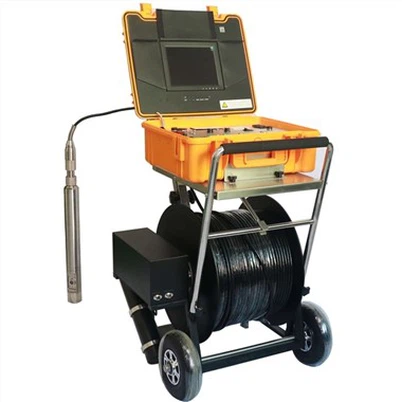
In the industrial sector, Wells cameras are also used for inspection purposes. For instance, in underground mines or oil rigs, the lighting is often very poor. Our cameras can be used to inspect pipes, machinery, or other equipment in these low - light environments. The Factory Borehole Water Well Camera is a great example. It is designed to be used in boreholes where light is scarce, and its low - light performance allows for clear inspection of the well structure and any potential issues.
User Experiences and Testimonials
To further evaluate the low - light performance of Wells cameras, we can look at the experiences of our users. Many professional photographers and videographers have praised the low - light capabilities of our cameras. One wildlife photographer, John Smith, shared his experience using a Wells camera during a night - time safari.
"I was amazed at how well the Wells camera performed in the low - light conditions of the African savannah. I was able to capture stunning images of lions and leopards in the moonlight. The details were sharp, and there was very little noise in the images. It made my wildlife photography experience so much better," John said.
In the security industry, a security company manager, Sarah Johnson, also had positive feedback. "We installed Wells cameras in our client's office building, which has some areas with very low lighting. The cameras have been able to provide clear and reliable surveillance footage, even at night. The low - light performance has exceeded our expectations, and we are very satisfied with the investment," Sarah explained.
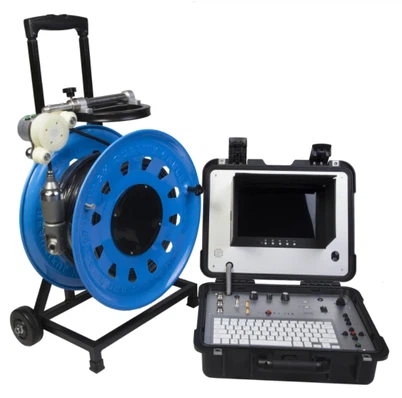
We also have users in the industrial inspection field. A technician, Tom Brown, who used the Underwater dual view borescope inspection camera for borehole inspections, said, "The camera's low - light performance was excellent. In the dark boreholes, it was able to capture detailed images of the well walls and any signs of damage. This has made our inspection process much more efficient."
Comparing Wells Cameras with Competitors
When comparing Wells cameras with other brands in terms of low - light performance, we have several advantages. Some competing cameras may have high - ISO capabilities, but they often sacrifice image quality due to excessive noise. Our Wells cameras, on the other hand, use a combination of hardware and software technologies to achieve a balance between light sensitivity and noise reduction.
In independent camera reviews, Wells cameras have often outperformed their competitors in low - light tests. For example, in a comparison test conducted by a well - known photography magazine, the Wells camera model X captured clearer and more detailed images in low - light than other similar - priced cameras. The magazine also noted that the noise reduction in our camera was more effective, resulting in higher - quality images.
Another area where Wells cameras stand out is in the price - performance ratio. While some high - end cameras from other brands may offer good low - light performance, they often come with a very high price tag. Our Wells cameras provide comparable or even better low - light capabilities at a more affordable price, making them a great choice for both professional users and hobbyists.
Conclusion and Call to Action
In conclusion, Wells cameras do have excellent low - light performance. Thanks to the advanced image sensors, wide - aperture lenses, and sophisticated noise reduction algorithms, our cameras can capture clear, detailed, and noise - free images in challenging lighting conditions. The real - world applications and positive user testimonials further confirm the reliability and effectiveness of our cameras in low - light scenarios.
If you are in the market for a camera with great low - light performance, whether for security, photography, or industrial inspection purposes, we invite you to explore our range of Wells camera products. You can also check out our Borewell Inspection Camera for more specialized applications.
We are always ready to discuss your specific needs and provide you with the best camera solutions. Contact us today to start a procurement discussion, and let us help you find the perfect Wells camera for your requirements.
References
- Photography Industry Reports on Camera Low - Light Performance
- User Testimonials and Feedback from Wells Camera Users
- Independent Camera Review Magazines and Websites