
How do ROV robots communicate with the surface?
Leave a message

Underwater exploration and operations have witnessed a significant transformation with the advent of Remotely Operated Vehicles (ROVs). These remarkable machines have opened up new frontiers in various industries, from marine research to oil and gas exploration. As a leading ROV robot supplier, I am often asked about how these sophisticated devices communicate with the surface. In this blog post, I will delve into the fascinating world of ROV communication, exploring the technologies and methods that enable seamless interaction between the underwater vehicle and its operators above.
The Importance of Communication in ROV Operations
Communication is the lifeline of any ROV mission. It allows operators to control the vehicle's movements, receive real-time data and imagery, and make informed decisions based on the information collected. Without reliable communication, the ROV would be rendered useless, unable to perform its intended tasks effectively.
In addition to control and data transfer, communication also plays a crucial role in ensuring the safety of the ROV and its operators. In the event of an emergency, operators need to be able to communicate with the vehicle and take appropriate action to prevent damage or loss.
Types of Communication Systems Used in ROVs
There are several types of communication systems used in ROVs, each with its own advantages and limitations. The choice of communication system depends on a variety of factors, including the depth of the operation, the distance between the ROV and the surface, the type of data being transmitted, and the environmental conditions.
Hardwired Communication
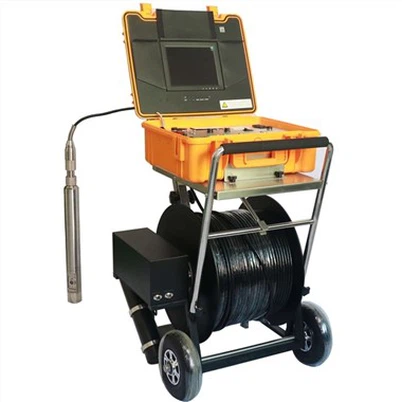
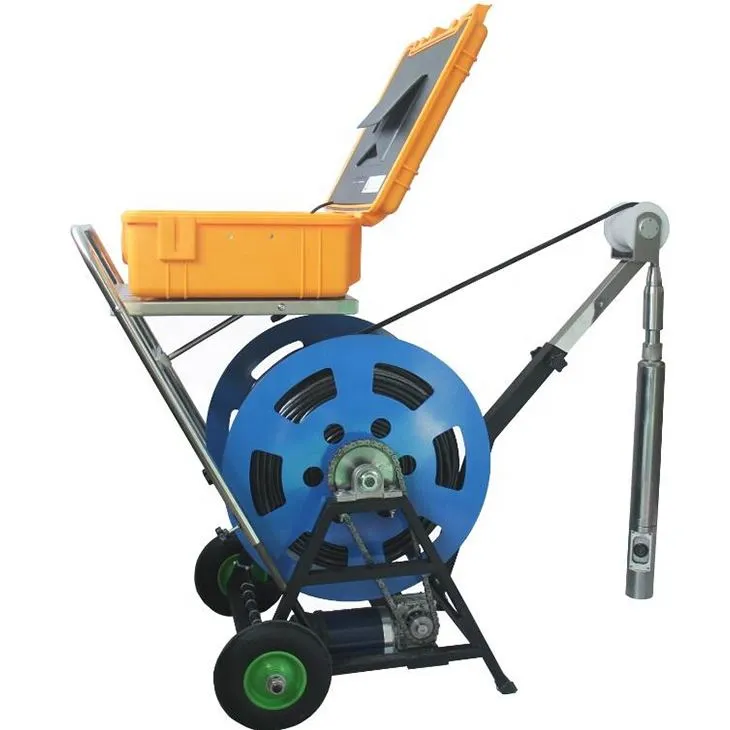
Hardwired communication is the most common method used in ROVs. It involves the use of a physical cable to connect the ROV to the surface control station. The cable provides a reliable and secure connection for the transmission of power, control signals, and data.
One of the main advantages of hardwired communication is its high bandwidth, which allows for the transmission of large amounts of data, including high-resolution video and sensor readings. It also provides a stable connection, which is essential for precise control of the ROV.
However, hardwired communication has some limitations. The cable can be heavy and bulky, which can limit the mobility of the ROV. It also requires a dedicated winch system to deploy and retrieve the cable, which can be expensive and time-consuming.
Acoustic Communication
Acoustic communication is another method used in ROVs, particularly for operations at greater depths. It involves the use of sound waves to transmit data between the ROV and the surface.
Acoustic communication has several advantages over hardwired communication. It does not require a physical cable, which allows for greater mobility of the ROV. It also has a longer range than hardwired communication, which makes it suitable for operations at greater depths.
However, acoustic communication also has some limitations. The speed of sound in water is relatively slow, which limits the bandwidth of the communication system. It is also affected by environmental factors, such as water temperature, salinity, and turbulence, which can cause signal attenuation and interference.
Wireless Communication
Wireless communication is a relatively new technology that is being increasingly used in ROVs. It involves the use of radio waves or optical signals to transmit data between the ROV and the surface.
Wireless communication has several advantages over hardwired and acoustic communication. It provides greater mobility of the ROV, as it does not require a physical cable or the use of sound waves. It also has a high bandwidth, which allows for the transmission of large amounts of data.
However, wireless communication also has some limitations. It is affected by environmental factors, such as water depth, turbidity, and electromagnetic interference, which can cause signal attenuation and interference. It also has a limited range, which makes it suitable for operations at relatively shallow depths.
Factors Affecting ROV Communication
Several factors can affect the performance of ROV communication systems. These include:
Depth
The depth of the operation is one of the most important factors affecting ROV communication. As the depth increases, the pressure and temperature of the water also increase, which can cause damage to the communication system. In addition, the absorption and scattering of sound waves and radio waves increase with depth, which can reduce the range and quality of the communication.
Distance
The distance between the ROV and the surface is another important factor affecting ROV communication. As the distance increases, the signal strength decreases, which can cause data loss and interference. In addition, the time delay between the transmission and reception of the signal increases with distance, which can affect the real-time control of the ROV.

Data Rate
The data rate is the amount of data that can be transmitted per unit of time. It is an important factor affecting the performance of ROV communication systems, particularly for applications that require the transmission of large amounts of data, such as high-resolution video and sensor readings.
Environmental Conditions
The environmental conditions, such as water temperature, salinity, turbidity, and turbulence, can also affect the performance of ROV communication systems. These conditions can cause signal attenuation and interference, which can reduce the range and quality of the communication.
Our ROV Communication Solutions
As a leading ROV robot supplier, we offer a range of communication solutions to meet the needs of our customers. Our hardwired communication systems are designed to provide reliable and secure communication for operations at all depths. We use high-quality cables and connectors to ensure the integrity of the connection, and our winch systems are designed to provide smooth and efficient deployment and retrieval of the cable.
In addition to our hardwired communication systems, we also offer acoustic and wireless communication solutions for applications that require greater mobility and longer range. Our acoustic communication systems are designed to provide reliable communication at depths of up to several thousand meters, and our wireless communication systems are designed to provide high-speed communication at relatively shallow depths.
We also offer a range of cameras and sensors that are compatible with our communication systems. These include the 100m Water Pipe Inspection Camera Pan Tilt Drilling Pipelines Camera, the Well Inspection Dual View Camera System, and the Drilling Inspection Camera Waterproof 30 Bar. These cameras and sensors provide high-resolution video and sensor readings, which can be transmitted in real-time to the surface control station.
Conclusion
In conclusion, communication is a critical component of any ROV operation. It allows operators to control the vehicle, receive real-time data and imagery, and make informed decisions based on the information collected. There are several types of communication systems used in ROVs, each with its own advantages and limitations. The choice of communication system depends on a variety of factors, including the depth of the operation, the distance between the ROV and the surface, the type of data being transmitted, and the environmental conditions.
As a leading ROV robot supplier, we offer a range of communication solutions to meet the needs of our customers. Our hardwired, acoustic, and wireless communication systems are designed to provide reliable and secure communication for operations at all depths. We also offer a range of cameras and sensors that are compatible with our communication systems, which provide high-resolution video and sensor readings.
If you are interested in learning more about our ROV communication solutions or would like to discuss your specific requirements, please contact us to start a procurement negotiation. We look forward to working with you to provide the best ROV solution for your needs.
References
- Fossen, T. I. (2011). Handbook of marine craft hydrodynamics and motion control. John Wiley & Sons.
- Singh, S., & Yue, D. K. P. (2008). Underwater robotics: Science, design, and operation. Society of Naval Architects and Marine Engineers.
- Whitcomb, L. L., Yoerger, D. R., & Singh., H. (2000). Design and control of a free-flying underwater vehicle for inspection. IEEE Journal of Oceanic Engineering, 25(1), 131-143.