
How do I ensure the accuracy of the inspection results when using a sewer camera?
Leave a message

Ensuring the accuracy of inspection results when using a sewer camera is crucial for both the efficiency of the inspection process and the reliability of the information obtained. As a supplier of sewer cameras, I understand the significance of this issue and have gathered some valuable insights and practices to share.
Pre - inspection Preparation
Before deploying the sewer camera, thorough preparation is essential. First and foremost, it is necessary to conduct a preliminary assessment of the sewer system. This includes gathering information about the layout of the pipes, such as their diameter, length, and the presence of any bends or junctions. This information can often be obtained from building blueprints or previous inspection reports.
Another important step is to clean the sewer pipes. Debris, sediment, and sludge in the pipes can obstruct the camera's view and lead to inaccurate results. Using high - pressure water jetting or other appropriate cleaning methods can help clear the pipes and ensure a clear line of sight for the camera. For instance, if there is a large amount of grease buildup in a kitchen sewer line, a specialized degreaser can be used in combination with water jetting to remove the obstruction.
Proper calibration of the sewer camera is also a key factor. The camera should be calibrated according to the manufacturer's instructions. This involves adjusting the focus, brightness, and color settings to ensure that the images captured are clear and accurate. For example, in low - light conditions inside the sewer, the brightness setting may need to be increased to obtain a well - lit image.
Camera Selection and Equipment Quality
The choice of sewer camera plays a significant role in the accuracy of inspection results. Different sewer cameras are designed for different applications. For example, for small - diameter pipes, a camera with a smaller diameter and a flexible cable may be required. On the other hand, for large - scale sewer systems, a more robust camera with high - resolution imaging capabilities and a long - range cable is necessary.
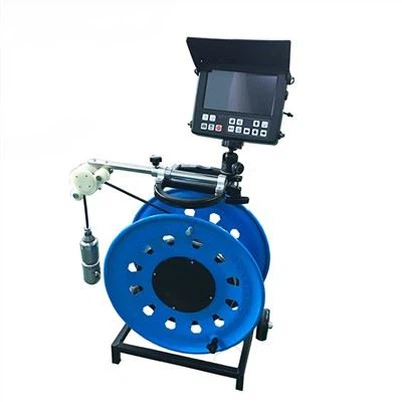
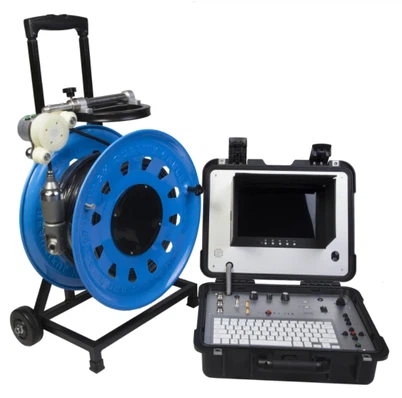
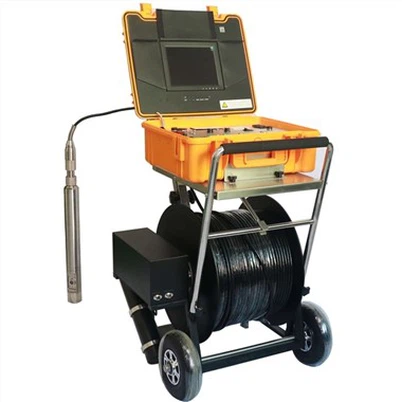
As a sewer camera supplier, we offer a wide range of products to meet various needs. Our Factory Borehole Water Well Camera is suitable for deep - well and borehole inspections. It is equipped with advanced imaging technology that can provide clear and detailed images even in challenging environments. The Borehole Water Well Camera is another option, which offers high - quality imaging and is easy to operate. And our Borehole Inspection Camera is specifically designed for detailed inspections of boreholes, with features such as adjustable lighting and a high - resolution lens.
In addition to the camera itself, the quality of the accompanying equipment, such as the cable and the monitor, also affects the accuracy of the inspection. A high - quality cable should be resistant to abrasion, kinking, and water damage. The monitor should have a high - resolution display to ensure that the images can be clearly viewed and analyzed.
Operator Training and Skills
The skills and experience of the operator are vital for ensuring accurate inspection results. An operator should be well - trained in the operation of the sewer camera, including how to maneuver the camera through the pipes, how to adjust the camera settings, and how to interpret the images captured.
Training programs should cover both theoretical knowledge and practical skills. Theoretical training can include learning about the structure and function of the sewer system, the principles of camera operation, and the types of defects that can be detected. Practical training involves hands - on experience in operating the camera in different types of sewer systems.
During the inspection process, the operator should pay close attention to details. For example, when detecting cracks in the pipes, the operator should be able to distinguish between real cracks and artifacts in the image. The operator should also be able to identify the location and severity of the defects accurately. This requires a combination of experience and a keen eye for detail.
Image and Data Analysis
Once the inspection is completed, the images and data captured by the sewer camera need to be analyzed carefully. This can be done using specialized software. The software can enhance the images, measure the size and location of defects, and generate reports.
When analyzing the images, it is important to have a clear understanding of the standards and criteria for evaluating the condition of the sewer pipes. For example, in some cases, a small crack may not require immediate repair, while a large - scale collapse may need urgent attention.
The data analysis should also take into account the historical data of the sewer system. Comparing the current inspection results with previous ones can help identify trends and changes in the condition of the pipes over time. This can provide valuable information for long - term maintenance and planning.
Post - inspection Verification
After the initial analysis of the inspection results, it is advisable to conduct a post - inspection verification. This can involve physically inspecting the areas where defects were detected or using other inspection methods, such as sonar or ground - penetrating radar, to confirm the findings.


Post - inspection verification can help ensure that the results are accurate and reliable. If there are any discrepancies between the camera inspection results and the verification results, further investigation may be required to determine the cause.
Conclusion
Ensuring the accuracy of inspection results when using a sewer camera is a multi - faceted process that involves pre - inspection preparation, proper camera selection, operator training, image and data analysis, and post - inspection verification. As a sewer camera supplier, we are committed to providing high - quality products and comprehensive support to help our customers achieve accurate and reliable inspection results.
If you are interested in our sewer camera products or need more information about ensuring the accuracy of inspection results, please feel free to contact us for further discussion and potential procurement opportunities.
References
- "Sewer Inspection and Rehabilitation Handbook"
- Manufacturer's manuals of sewer cameras
- Industry standards and guidelines for sewer system inspection