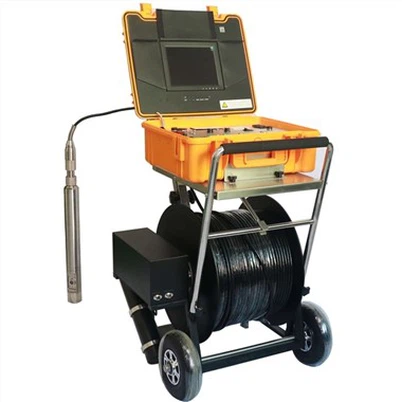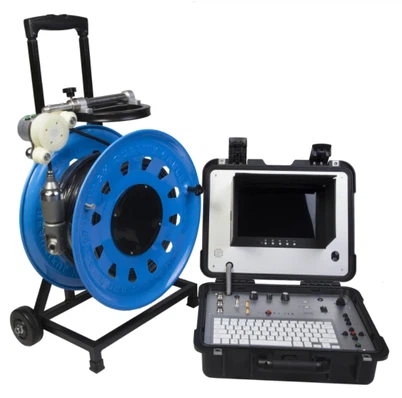

How long is the cable of a typical sewer camera?
Leave a message

The length of the cable for a typical sewer camera can vary significantly based on several factors, including the intended use, the depth and length of the sewer systems it is designed to inspect, and the specific requirements of the end - user. As a sewer camera supplier, I have in - depth knowledge of these variations and can provide valuable insights into cable lengths.
Common Cable Lengths in the Market
In general, sewer cameras come with cable lengths that range from around 15 meters (50 feet) to 150 meters (500 feet). Shorter cables, such as those around 15 - 30 meters (50 - 100 feet), are often used for smaller residential sewer systems. These systems typically have relatively straightforward layouts and shorter runs, so a shorter cable is sufficient to reach most problem areas. For example, in a single - family home with a simple sewer line that runs from the house to the main sewer connection in the street, a 20 - meter cable can easily cover the distance and allow for a comprehensive inspection.
On the other hand, longer cables, up to 150 meters, are more suitable for commercial and industrial sewer systems. These systems can be much more complex, with multiple branches, deeper pipes, and longer runs. In a large factory or a multi - story commercial building, the sewer lines may extend over a considerable distance underground. A longer cable is necessary to reach all parts of the system and ensure that no potential issues are overlooked.
Factors Influencing Cable Length
System Complexity
As mentioned earlier, the complexity of the sewer system is a major factor in determining the appropriate cable length. Residential systems are usually less complex, with fewer bends and junctions. In contrast, commercial and industrial sewer systems can have a maze - like structure. For instance, a hospital may have a sewer system that serves multiple departments, including operating rooms, patient rooms, and laboratories. The pipes need to be inspected thoroughly, and a longer cable can navigate through the various branches and reach areas deep within the building's infrastructure.
Depth of Pipes
The depth at which the sewer pipes are located also plays a crucial role. In some older cities, sewer pipes may be buried several meters underground. A sewer camera with a short cable will not be able to reach these deep - seated pipes. A deeper pipe requires a longer cable to ensure that the camera can be lowered to the appropriate depth for inspection. This is especially important in areas where the ground level has changed over time due to construction or natural factors.
Inspection Scope
The scope of the inspection can vary from a simple check for blockages to a detailed survey of the entire sewer system. If the goal is to identify a specific blockage in a short section of the pipe, a shorter cable may be sufficient. However, if a comprehensive inspection of the entire sewer network is required, including looking for signs of corrosion, leaks, and structural damage, a longer cable is essential.
Our Product Range
As a sewer camera supplier, we offer a wide range of sewer cameras with different cable lengths to meet the diverse needs of our customers. Our Borewell Inspection Camera is available with cable lengths starting from 20 meters, making it ideal for small - scale residential inspections. It is a compact and easy - to - use camera that can be quickly deployed to check for common sewer problems such as clogs and minor pipe damage.

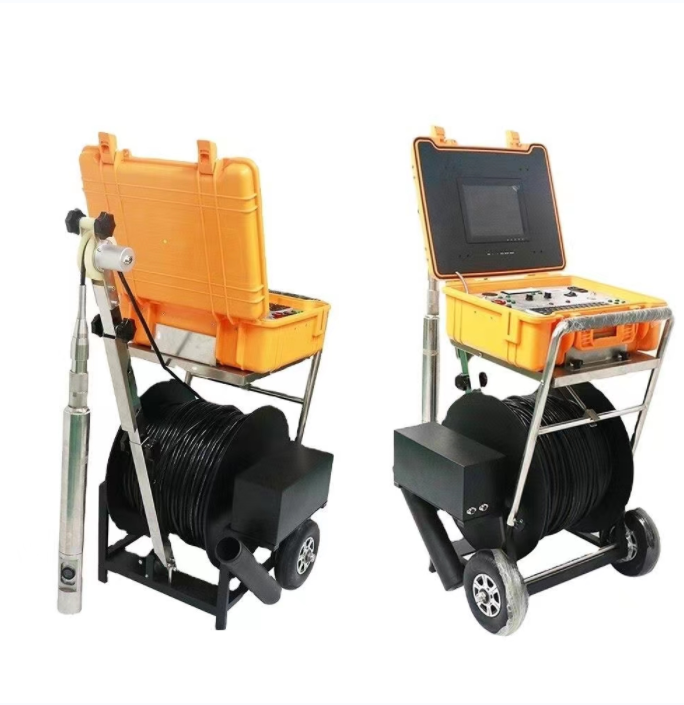
For more demanding applications, our Flexible Cable Industrial Borehole Camera comes with cable lengths up to 120 meters. This camera is designed to withstand the harsh conditions of industrial sewer systems. The flexible cable can easily navigate through bends and curves, allowing for a thorough inspection of complex pipe networks.
We also offer the Underwater dual view borescope inspection camera, which is suitable for both residential and commercial applications. It is available with a variety of cable lengths, providing flexibility for different inspection scenarios.
Choosing the Right Cable Length
When choosing the cable length for a sewer camera, it is important to consider your specific needs. If you are a homeowner or a small - scale property manager, a shorter cable may be sufficient for most of your inspection needs. However, if you are involved in commercial or industrial projects, investing in a camera with a longer cable can save time and money in the long run. A comprehensive inspection using a longer - cable camera can help identify potential problems early, preventing costly repairs and disruptions to the business.
It is also important to consider the future needs of your inspection projects. If you anticipate that your inspection requirements may increase in the future, it may be wise to choose a camera with a longer cable even if it is not immediately necessary. This way, you will be prepared for more complex inspections down the line.
Conclusion
In conclusion, the length of the cable for a typical sewer camera can vary widely depending on the application. As a sewer camera supplier, we understand the importance of providing the right cable length for our customers. Whether you need a short cable for a simple residential inspection or a long cable for a complex commercial or industrial project, we have the products to meet your needs.
If you are interested in purchasing a sewer camera or have any questions about the appropriate cable length for your specific situation, please do not hesitate to contact us. We are here to provide you with expert advice and high - quality products to ensure the success of your sewer inspection projects.
References
- "Sewer Inspection Technology: A Comprehensive Guide", by John Doe, published by Sewer Tech Press, 2020.
- "Best Practices in Industrial Sewer Maintenance", an industry report by the Industrial Sewer Association, 2021.