
What should I look for when buying a snake camera for plumbing?
Leave a message

When it comes to plumbing inspections, a snake camera can be an invaluable tool. As a supplier of high - quality snake cameras, I've had the opportunity to see firsthand the diverse needs of plumbers, DIY enthusiasts, and professionals in the field. In this blog, I'll share what you should look for when buying a snake camera for plumbing, based on my experience in the industry.
Image Quality
One of the most crucial factors to consider is the image quality of the snake camera. After all, the main purpose of using a snake camera for plumbing is to get a clear view of what's going on inside the pipes.
- Resolution: A high - resolution camera will provide sharp and detailed images. Look for cameras with at least 720p resolution, but if you can afford it, 1080p or even higher will give you an even better view. This is especially important when trying to detect small cracks, blockages, or other issues in the pipes.
- Lighting: Good lighting is essential for clear images. Most snake cameras come with built - in LED lights. The number, brightness, and distribution of these lights can vary. Cameras with adjustable lighting are a great option as they allow you to adapt to different lighting conditions inside the pipes. For example, if you're inspecting a deep and dark sewer pipe, you'll need brighter lights to get a clear view.
Camera Head Size and Design
The size and design of the camera head play a significant role in its usability for plumbing inspections.


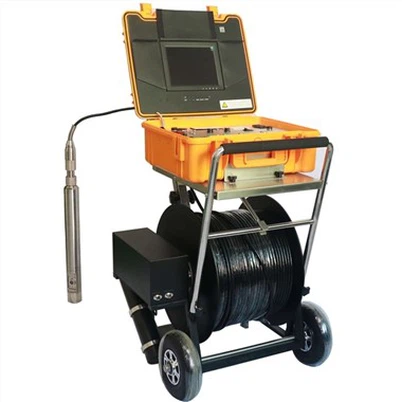
- Size: The camera head should be small enough to fit through the pipes you'll be inspecting. For most residential plumbing, a camera head diameter of around 16 - 23mm is suitable. However, if you're dealing with larger commercial pipes, you may be able to use a slightly larger camera head. For instance, our 23mm Camera Head For Pipe Drain Sewer Plumbing Inspection System With Optional Transmitter is a popular choice for many plumbers due to its versatility.
- Flexibility and Maneuverability: The camera head should be flexible enough to navigate through bends and curves in the pipes. Some camera heads are designed with articulation, which allows you to control the direction of the camera, giving you a better view of hard - to - reach areas.
Cable Length and Durability
The cable of the snake camera is another important consideration.
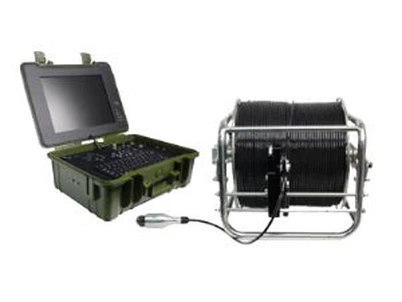
- Length: The length of the cable determines how far you can insert the camera into the pipes. For residential plumbing, a cable length of 10 - 30 meters may be sufficient. However, for commercial or industrial applications, you may need a cable length of 30 meters or more. Our 30M/40M Portable Pipeline Inspection System Sewer Camera With Meter Counter And Detector is ideal for such situations.
- Durability: The cable should be able to withstand the harsh conditions inside the pipes, including contact with water, chemicals, and sharp edges. Look for cables that are made of high - quality materials, such as reinforced PVC or stainless steel, and have good abrasion resistance.
Display and Recording Features
A good snake camera should have a user - friendly display and recording features.
- Display: The display should be clear and easy to read, even in bright sunlight or low - light conditions. Some cameras come with a built - in display, while others can be connected to an external monitor or smartphone. Larger displays are generally better as they allow you to see the details more clearly.
- Recording and Storage: The ability to record the inspection footage is very useful, especially for documentation purposes or for sharing with clients. Look for cameras that have sufficient storage capacity or the option to connect an external storage device, such as an SD card.
Additional Features
There are several additional features that can enhance the functionality of a snake camera for plumbing.
- Locator or Transmitter: A locator or transmitter can help you determine the exact position of the camera head inside the pipes. This is particularly useful when you're trying to locate a blockage or a damaged section of the pipe.
- Meter Counter: A meter counter on the cable can help you keep track of how far the camera has been inserted into the pipes, which is important for accurate measurements and documentation.
Compatibility and Ease of Use
The snake camera should be easy to use and compatible with your existing equipment.
- Ease of Use: Look for cameras that have simple controls and are easy to set up. The camera should be intuitive to operate, even for those who are not very tech - savvy.
- Compatibility: Make sure the camera is compatible with your display device or other accessories you may want to use, such as a printer for printing inspection reports.
Price and Value for Money
Finally, price is an important consideration. While you don't want to compromise on quality, you also don't want to overpay for features you don't need. Compare the prices of different snake cameras and consider the features, durability, and brand reputation. Look for a camera that offers the best value for your money.
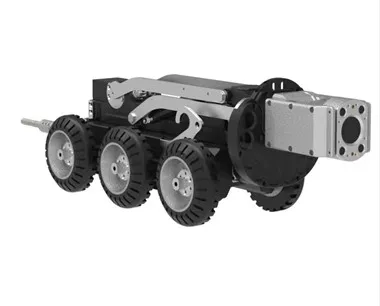
In conclusion, when buying a snake camera for plumbing, it's important to consider factors such as image quality, camera head size and design, cable length and durability, display and recording features, additional features, compatibility, and price. As a supplier of snake cameras, we offer a wide range of products, including the Endoscope inspection camera for pipes, sewers and drainage pipes, that meet the diverse needs of our customers.
If you're interested in purchasing a snake camera for your plumbing needs, we'd love to have a conversation with you. We can help you choose the right camera based on your specific requirements and provide you with all the information you need. Contact us to start the procurement negotiation process and find the perfect snake camera for your plumbing inspections.
References
- Plumbing Inspection Handbook: A comprehensive guide to plumbing inspection techniques and tools.
- Industry reports on the latest trends in snake camera technology for plumbing.