
What is the speed of an ROV robot?
Leave a message

Hey there! As a supplier of ROV (Remotely Operated Vehicle) robots, I often get asked about the speed of these amazing machines. So, let's dive right in and talk about what determines the speed of an ROV robot and how it impacts different applications.
Understanding the Basics of ROV Speed
First off, the speed of an ROV isn't a one - size - fits - all deal. It can vary widely depending on the design, purpose, and the environment in which it operates. ROVs are used in a bunch of different industries, like oil and gas, scientific research, and underwater exploration. Each of these industries has its own requirements when it comes to how fast an ROV needs to move.
The speed of an ROV is usually measured in knots (nautical miles per hour) or meters per second. A typical ROV might have a speed ranging from 1 to 5 knots, but some high - performance models can go even faster. For example, in a calm and open underwater environment, an ROV could potentially reach speeds of up to 6 or 7 knots.
Factors Affecting ROV Speed
1. Thruster Power
The thrusters are like the engines of an ROV. The more powerful the thrusters, the faster the ROV can go. High - power thrusters can generate a greater amount of force, pushing the ROV through the water at a quicker pace. However, more powerful thrusters also mean higher energy consumption, which can limit the ROV's operating time.
2. Hull Design
The shape of the ROV's hull plays a crucial role in its speed. A streamlined hull reduces drag, allowing the ROV to move more efficiently through the water. Think of it like a race car; a sleek design helps it cut through the air (or in this case, water) with less resistance. On the other hand, a bulky or poorly designed hull can slow the ROV down significantly.
3. Payload
The amount of equipment and tools the ROV is carrying can also affect its speed. If an ROV is loaded with heavy cameras, sensors, or sampling devices, it will have to work harder to move through the water. This extra weight can reduce its maximum speed and make it more sluggish to maneuver.
4. Water Conditions
The underwater environment is far from static. Currents, waves, and water density can all impact an ROV's speed. Strong ocean currents can either help or hinder an ROV's movement. If the current is flowing in the same direction as the ROV, it can give it a boost and increase its speed. But if the current is going against the ROV, it will have to fight against it, which can slow it down considerably.
Speed Requirements in Different Applications
1. Oil and Gas Industry
In the oil and gas industry, ROVs are often used for inspection and maintenance of underwater pipelines and platforms. Here, speed isn't always the top priority. Instead, precision and stability are more important. ROVs need to move slowly and carefully to get accurate readings and perform delicate tasks. A speed of around 1 - 2 knots is usually sufficient for these types of operations.
2. Scientific Research
When it comes to scientific research, the speed requirements can vary. For example, if scientists are conducting a large - scale survey of the ocean floor, they might want an ROV that can cover a lot of ground quickly. In this case, a faster - moving ROV with a speed of 3 - 5 knots would be ideal. However, if they are studying a specific area in detail, such as a coral reef, a slower speed of 1 - 2 knots would allow for more thorough observations.


3. Underwater Exploration
Underwater exploration often involves exploring unknown areas. In these situations, an ROV needs to be able to move at a reasonable speed while still being able to stop and investigate interesting features. A speed of 2 - 3 knots is often a good balance for exploration missions.
Our ROVs and Their Speed Capabilities
As a supplier, we offer a range of ROVs with different speed capabilities to meet the diverse needs of our customers. Our ROVs are equipped with high - quality thrusters and streamlined hull designs to ensure optimal speed and efficiency.
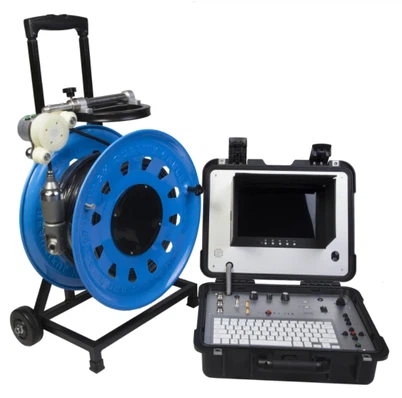
For those who need an ROV for detailed inspection work, our 360 Degree Water Well Inspection Camera - equipped ROVs are designed to move slowly and steadily. They have a maximum speed of around 1.5 knots, which is perfect for getting a close - up look at underwater structures.
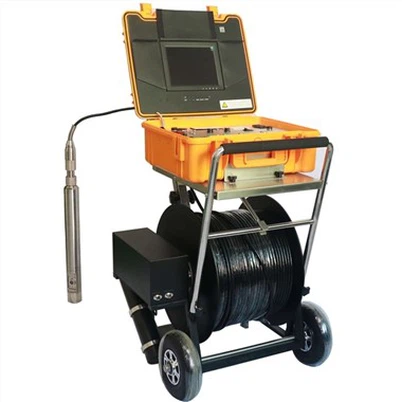
If you're looking for an ROV that can cover more ground, our Waterproof 50bars Dual View Rotation Camera models are a great choice. These ROVs can reach speeds of up to 3 knots, allowing you to survey larger areas in a shorter amount of time.
For high - speed exploration missions, our Drilling Deep Well Underwater Operation Camera System - equipped ROVs are the way to go. With a top speed of 4 knots, they can quickly reach remote locations and start exploring.
Why Speed Matters
The speed of an ROV can have a significant impact on the success of a mission. A faster ROV can save time and money by completing tasks more quickly. For example, in the oil and gas industry, reducing the time spent on inspections can mean significant cost savings. In scientific research, a faster ROV can cover more area, leading to more comprehensive data collection.
On the other hand, sometimes a slower speed is essential. When performing delicate tasks or taking detailed measurements, a slow - moving ROV allows for greater precision and accuracy. So, it's all about finding the right balance between speed and the specific requirements of the mission.
Contact Us for Your ROV Needs
If you're in the market for an ROV and are wondering which speed is right for your application, we're here to help. Our team of experts can provide you with all the information you need to make an informed decision. Whether you're in the oil and gas industry, scientific research, or underwater exploration, we have an ROV that can meet your needs.
Don't hesitate to reach out to us to discuss your requirements and start the procurement process. We're committed to providing you with the best ROV solutions at competitive prices.
References
- "Underwater Robotics: Technology and Applications" by Roberto Cingolani
- "ROV Operations Handbook" by various industry experts