

What is the shock resistance of a pipe camera?
Leave a message

In the realm of pipeline inspection, pipe cameras have emerged as indispensable tools, offering a non - invasive and efficient way to assess the condition of pipes. One crucial aspect that often goes under - explored is the shock resistance of a pipe camera. As a pipe camera supplier, I understand the significance of this characteristic and its impact on the performance and longevity of these devices.
Understanding Shock Resistance
Shock resistance refers to a pipe camera's ability to withstand sudden impacts or vibrations without suffering damage to its internal components or losing functionality. In the harsh environments where pipe cameras are typically used, such as industrial pipelines, sewage systems, and boreholes, they are prone to accidental bumps, drops, and jolts. A camera with poor shock resistance may experience cracked lenses, loose connections, or even complete failure, leading to costly repairs or replacements and disrupting inspection processes.
Factors Affecting Shock Resistance
1. Physical Design
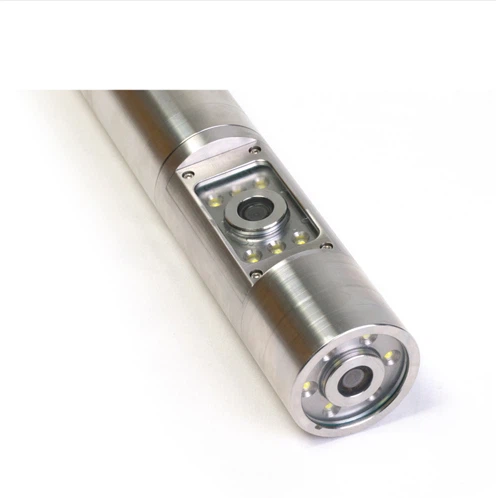
The physical construction of a pipe camera plays a vital role in determining its shock resistance. Cameras with robust outer casings made from durable materials like high - strength plastics or metals are better equipped to absorb and dissipate the energy from impacts. For example, a camera encased in a thick aluminum housing can provide a higher level of protection compared to one with a thin plastic shell. Additionally, the internal layout of the camera's components also matters. Components that are securely mounted and cushioned within the casing are less likely to be damaged during a shock.
2. Suspension and Mounting Systems
Some advanced pipe cameras are designed with suspension and mounting systems that help isolate the sensitive internal components from external shocks. These systems use rubber or foam padding to absorb vibrations and prevent them from reaching the camera's delicate electronics. For instance, a camera with a well - designed shock - absorbing mount can reduce the impact force transmitted to the lens and image sensor, thereby increasing its shock resistance.
3. Lens and Sensor Protection
The lens and image sensor are the most critical parts of a pipe camera, and protecting them from shocks is essential. Specialized lens coatings and protective covers can be used to prevent scratches and cracks on the lens. Moreover, sensors that are designed to be more rugged and less sensitive to mechanical stress can enhance the overall shock resistance of the camera.
Importance of Shock Resistance in Different Applications
1. Industrial Pipelines
In industrial settings, pipe cameras are often used to inspect large - diameter pipelines that carry various chemicals, gases, or fluids. These pipelines are usually located in areas with heavy machinery and equipment, where the risk of accidental impacts is high. A shock - resistant pipe camera can withstand the vibrations and jolts caused by the operation of nearby machinery, ensuring reliable inspection results. For example, in a chemical plant, a camera that can withstand the shock from a nearby pump or compressor can provide accurate images of the pipe's interior, helping to detect corrosion, blockages, or leaks.
2. Sewage Systems
Sewage systems are another environment where pipe cameras face challenging conditions. Cameras used in sewage pipes may be dropped or bumped against the rough inner walls of the pipes during insertion and retrieval. A shock - resistant camera can survive these impacts and continue to function properly, allowing for a thorough inspection of the sewage system. This is crucial for identifying issues such as pipe collapses, root intrusions, or joint failures, which can lead to sewage backups and environmental hazards.
3. Boreholes
When it comes to borehole inspections, pipe cameras are lowered deep into the ground through narrow and often uneven holes. The process of lowering and raising the camera can subject it to significant shocks and vibrations. A highly shock - resistant camera is essential to ensure that it can reach the desired depth and provide clear images of the borehole walls. For example, our Flexible Cable Industrial Borehole Camera is designed to withstand the shocks associated with borehole inspections, making it a reliable choice for this application.

Measuring Shock Resistance
There are several ways to measure the shock resistance of a pipe camera. One common method is to use a shock test machine, which simulates different levels of impacts and vibrations. The camera is subjected to a series of controlled shocks, and its performance is monitored before, during, and after the tests. Parameters such as image quality, functionality, and the integrity of the internal components are evaluated to determine the camera's shock resistance rating.
Another approach is to conduct real - world testing in actual inspection environments. By using the camera in various settings and recording any instances of shock and their effects on the camera, suppliers can gather valuable data on its shock - resistant capabilities. This real - world feedback can then be used to improve the design and manufacturing processes of the cameras.
Our Product Offerings
As a pipe camera supplier, we offer a range of products with excellent shock resistance. Our Borehole Deep Water Inspection Camera is specifically designed for borehole applications. It features a robust aluminum casing and a shock - absorbing mounting system, which allows it to withstand the shocks and vibrations associated with deep - water borehole inspections.
Our Factory Borehole Water Well Camera is another product that offers high - level shock resistance. It is suitable for use in factory boreholes and water wells, where it may encounter rough handling and accidental impacts. The camera's durable construction and advanced shock - protection features ensure reliable performance in these demanding environments.
Why Choose Our Pipe Cameras
1. Quality Assurance
We are committed to providing high - quality pipe cameras that meet the highest standards of shock resistance. Our products undergo rigorous testing to ensure that they can withstand the toughest conditions.
2. Customization
We understand that different customers have different requirements. That's why we offer customization options for our pipe cameras, allowing you to choose the features and specifications that best suit your needs.
3. Technical Support
Our team of experts is always available to provide technical support and assistance. Whether you have questions about the shock resistance of our cameras or need help with installation and operation, we are here to help.
Contact Us for Procurement
If you are in the market for a reliable pipe camera with excellent shock resistance, we invite you to contact us for procurement discussions. We can provide you with detailed product information, pricing, and any other assistance you may need. Our goal is to help you find the perfect pipe camera solution for your inspection needs.
References
- ISO standards related to shock testing of electronic devices.
- Industry reports on the performance of pipe cameras in different environments.
- Internal research and development documents on the design and testing of our pipe cameras.


