

Is a pipe camera waterproof?
Leave a message

Is a pipe camera waterproof? That's a question I get asked a lot as a pipe camera supplier. And it's a valid one, considering the environments these cameras often operate in. In this blog post, I'll dive deep into the topic of waterproof pipe cameras, exploring their capabilities, limitations, and what to look for when choosing one.
First off, let's talk about why waterproofing is so important for pipe cameras. Pipes are often filled with water, whether it's from a leak, a flood, or just normal usage. If a camera isn't waterproof, it won't last long in these conditions. Water can damage the camera's internal components, causing it to malfunction or even stop working altogether. That's why most pipe cameras on the market are designed to be waterproof to some degree.
But not all waterproof pipe cameras are created equal. Some are only water-resistant, meaning they can handle a little bit of moisture but not full immersion. Others are fully waterproof, capable of operating underwater for extended periods of time. The level of waterproofing you need will depend on the specific application you have in mind.
For example, if you're using the camera to inspect a small residential pipe that might have a little bit of standing water, a water-resistant camera might be sufficient. These cameras are usually less expensive and more lightweight, making them a good choice for occasional use. On the other hand, if you're working on a large commercial project where the pipes are constantly filled with water, you'll need a fully waterproof camera. These cameras are built to withstand the rigors of underwater use and are often more durable and reliable.
So, how do you know if a pipe camera is waterproof? One way is to look at the camera's IP rating. The IP (Ingress Protection) rating is a standard that indicates how well a device is protected against dust and water. The rating consists of two numbers: the first number represents the level of protection against solid objects, and the second number represents the level of protection against water.
For example, an IP67 rating means that the camera is completely protected against dust (the 6) and can be submerged in water up to 1 meter for up to 30 minutes (the 7). A higher second number indicates a higher level of waterproofing. When choosing a pipe camera, look for one with an IP rating of at least IP67 to ensure that it can handle the wet conditions it will be exposed to.
Another factor to consider when choosing a waterproof pipe camera is the type of lens it has. Some cameras have a standard lens that is designed to work in normal lighting conditions. These lenses may not perform well underwater, where the lighting is often dim and the water can distort the image. To get a clear and accurate image, look for a camera with a wide-angle lens and built-in LED lights. The wide-angle lens will give you a broader view of the pipe, while the LED lights will provide the necessary illumination to see what's going on inside.
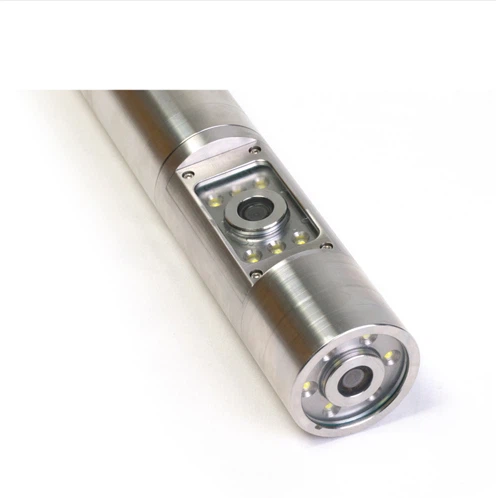

In addition to the lens and lighting, you'll also want to consider the camera's cable length and flexibility. The cable is what connects the camera to the display unit, and it needs to be long enough to reach the areas you need to inspect. A flexible cable will make it easier to maneuver the camera around bends and corners in the pipe. Look for a cable that is at least 50 feet long and has a high degree of flexibility.
Now, let's take a look at some of the specific products we offer as a pipe camera supplier. We have a range of waterproof pipe cameras to suit different needs and budgets. One of our popular products is the Borehole Water Well Camera. This camera is designed for use in boreholes and water wells, where it can provide a clear view of the inside of the well casing. It has a fully waterproof design with an IP68 rating, which means it can be submerged in water up to 100 meters for an extended period of time. The camera also features a wide-angle lens and built-in LED lights for clear and accurate imaging.
Another product we offer is the Borehole Deep Water Inspection Camera. This camera is similar to the Borehole Water Well Camera, but it is designed for use in deeper water applications. It has a longer cable and a more powerful LED lighting system, making it ideal for inspecting deep boreholes and underwater structures.
Finally, we have the Borewell Inspection Camera. This camera is a more compact and portable option, making it a good choice for smaller pipe inspection jobs. It has a water-resistant design with an IP67 rating and a flexible cable that can be easily maneuvered around tight spaces.
In conclusion, a waterproof pipe camera is an essential tool for anyone who needs to inspect pipes in wet or underwater conditions. When choosing a camera, look for one with a high IP rating, a wide-angle lens, built-in LED lights, a long and flexible cable, and a design that suits your specific needs. As a pipe camera supplier, we offer a range of high-quality waterproof cameras that can help you get the job done. If you have any questions or need help choosing the right camera for your application, don't hesitate to contact us. We're here to help you find the best solution for your needs.
References
- Industry standards for IP ratings
- Manufacturer specifications for pipe cameras


