
Can an ROV robot be used for underwater salvage?
Leave a message

In recent years, the demand for underwater salvage operations has been on the rise, driven by various factors such as marine accidents, archaeological explorations, and the recovery of valuable resources from the seabed. Remotely Operated Vehicles (ROVs) have emerged as a crucial tool in these operations, offering a range of capabilities that make them well - suited for underwater salvage tasks. As a leading ROV robot supplier, I have witnessed firsthand the effectiveness and potential of these remarkable machines in the field of underwater salvage.
1. Understanding ROVs and Their Capabilities
ROVs are uncrewed submarines that are controlled from the surface by an operator. They are equipped with a variety of sensors, cameras, and manipulation tools, allowing them to perform complex tasks in the harsh underwater environment. Some ROVs are designed for shallow - water operations, while others can reach extreme depths, far beyond the reach of human divers.


1.1. Sensory Equipment
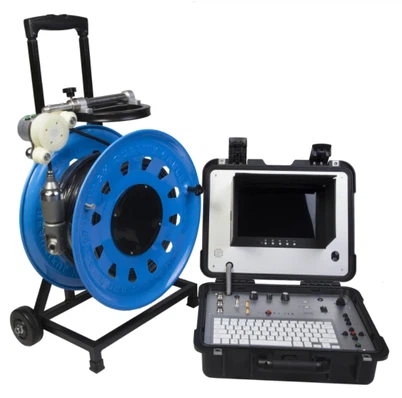
One of the most critical components of an ROV is its sensory equipment. High - resolution cameras are standard on most ROVs, providing clear visual feedback to the operator on the surface. For instance, our company offers the Oil Well Downhole Inspection Camera, which can capture detailed images and videos even in low - light and murky underwater conditions. This camera is not only useful for oil well inspections but also for identifying salvage targets in the underwater environment.
In addition to cameras, ROVs can be equipped with sonar systems. Sonar is particularly useful in situations where visibility is poor. It can detect objects at a distance, map the underwater terrain, and provide information about the size and shape of potential salvage items.
1.2. Manipulation Tools
ROVs are often fitted with robotic arms and other manipulation tools. These tools can be used to grasp, lift, and move objects. The design of these robotic arms varies depending on the specific requirements of the salvage operation. Some are highly dexterous, allowing for precise handling of delicate objects such as archaeological artifacts, while others are more robust and are designed to lift heavy loads.
2. Advantages of Using ROVs in Underwater Salvage
2.1. Safety
Safety is a primary concern in underwater salvage operations. Human divers face numerous risks, including decompression sickness, cold water exposure, and the danger of entanglement in debris. ROVs eliminate these risks by performing the salvage tasks remotely. Operators can control the ROV from the safety of a surface vessel, minimizing the potential for human injury.
2.2. Reach and Depth
ROVs can reach depths that are inaccessible to human divers. Some deep - sea ROVs can dive to depths of several thousand meters, making them suitable for salvaging objects from the ocean floor. This extended reach allows for the recovery of items that would otherwise remain lost in the deep - sea environment.
2.3. Precision
The advanced sensory equipment and manipulation tools on ROVs enable precise operations. Operators can carefully navigate the ROV around obstacles and accurately position the robotic arms to grasp the salvage target. This level of precision is difficult to achieve with traditional salvage methods, especially in complex underwater environments.
3. Case Studies of ROVs in Underwater Salvage
3.1. Archaeological Salvage
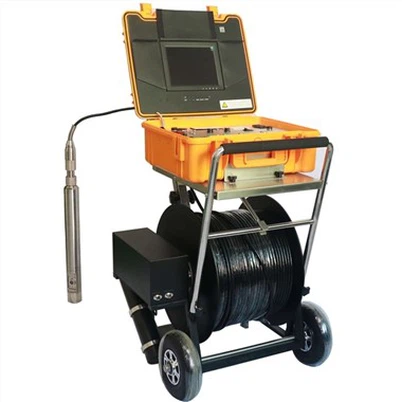
In archaeological projects, ROVs have proven to be invaluable. For example, in the exploration of ancient shipwrecks, ROVs can be used to survey the site, document the layout, and carefully recover artifacts. The Flexible Cable Industrial Borehole Camera can be used to inspect small crevices and compartments within the shipwreck, providing detailed information about the location and condition of the artifacts.
Archaeologists can use the high - resolution images and videos captured by the ROV cameras to plan the salvage operation. The robotic arms can then be used to carefully lift the artifacts to the surface without causing damage.
3.2. Marine Accident Salvage
In the event of a ship or aircraft accident, ROVs are often deployed to assess the situation and recover important items such as the black box or other evidence. The ROV's ability to operate in difficult conditions, including strong currents and low visibility, makes it a reliable tool for these types of operations. The Hot Sale Borehole Camera 360deg can provide a complete view of the accident site, helping the salvage team to understand the extent of the damage and plan the recovery process.
4. Challenges and Limitations
While ROVs offer many advantages for underwater salvage, there are also some challenges and limitations that need to be considered.
4.1. Cost
The initial cost of purchasing an ROV and the associated equipment can be high. In addition, there are ongoing costs for maintenance, upgrades, and training of operators. However, when considering the safety benefits and the potential for successful salvage operations, the cost can often be justified.
4.2. Technical Complexity
ROVs are complex machines that require skilled operators. The training of operators can be time - consuming and expensive. Additionally, technical problems can occur during an operation, which may require quick and expert troubleshooting to avoid delays.
4.3. Environmental Factors
The underwater environment can be extremely challenging. Strong currents, high pressure, and low temperatures can affect the performance of the ROV. Visibility can also vary greatly, making it difficult to locate and recover salvage targets.
5. The Future of ROVs in Underwater Salvage
The future of ROVs in underwater salvage looks promising. Technological advancements are expected to improve the capabilities of ROVs in terms of sensor technology, maneuverability, and power. For example, the development of more advanced sonar systems and artificial intelligence algorithms will allow ROVs to operate more autonomously, reducing the need for constant operator input.
In addition, the cost of ROV technology is likely to decrease over time, making it more accessible to a wider range of salvage operators. This will further increase the use of ROVs in underwater salvage operations around the world.
6. Conclusion and Call to Action
In conclusion, ROVs are a powerful and effective tool for underwater salvage operations. Their ability to provide safety, reach great depths, and perform precise tasks makes them an essential asset in the field. As a leading ROV robot supplier, we are committed to providing high - quality ROVs and related equipment to meet the diverse needs of our customers in the underwater salvage industry.
If you are interested in learning more about our ROV products or have specific requirements for an underwater salvage project, we invite you to contact us for a detailed discussion. Our team of experts is ready to assist you in selecting the most suitable ROV solution for your needs and to provide you with comprehensive support throughout the entire process.
References
- Singh, H., & Smith, R. (2019). "Advances in ROV Technology for Underwater Operations." Journal of Marine Technology and Engineering.
- Brown, A. (2020). "Case Studies of Successful Underwater Salvage Using ROVs." International Journal of Ocean Science.
- Thompson, M. (2021). "The Future of ROVs in Underwater Exploration and Salvage." Marine Robotics Review.