
What is the maximum load capacity of a hand winch?
Leave a message

Hey there! As a hand winch supplier, I often get asked about the maximum load capacity of a hand winch. It's a crucial question, especially when you're in the market for a reliable and safe lifting or pulling solution. So, let's dive right into it and break down what determines the maximum load capacity of a hand winch and how you can choose the right one for your needs.


What Influences the Maximum Load Capacity?
First off, the design and construction of a hand winch play a huge role in its load - handling capabilities. The materials used are key. High - quality steel is commonly used in the manufacturing of hand winches because of its strength and durability. Winches made from low - grade materials might not be able to handle heavy loads safely and could fail under stress.
The gear ratio of a hand winch also affects its maximum load capacity. A winch with a higher gear ratio requires more turns of the handle to move the load, but it can lift or pull heavier weights. On the other hand, a lower gear ratio means less effort is needed per turn, but the maximum load capacity is usually lower.
The size of the drum on which the cable or rope is wound matters too. A larger drum diameter can accommodate more cable, but it can also affect the mechanical advantage of the winch. Generally, for a given gear ratio and material quality, a winch with a smaller drum diameter can often handle higher loads because it provides more leverage.
Different Types of Hand Winches and Their Capacities
There are several types of hand winches, each with its own range of load capacities.
Manual Hand Winches
These are the most basic type of hand winches. They are operated by simply turning a handle. Manual hand winches typically have load capacities ranging from a few hundred pounds to several thousand pounds. For light - duty tasks like moving small equipment or adjusting tension on a cable, a winch with a capacity of 500 - 1000 pounds might be sufficient. For more heavy - duty applications, such as pulling a small vehicle or lifting heavy construction materials, you might need a winch with a capacity of 3000 - 5000 pounds or even more.
Ratchet Hand Winches
Ratchet hand winches are designed to hold the load in place securely. They use a ratcheting mechanism that prevents the load from slipping back. These winches can have similar load capacities to manual hand winches, but they are often preferred for tasks where precise positioning and load holding are required. For example, in marine applications, ratchet hand winches are used to secure boats and adjust sail lines. Their capacities can range from 1000 pounds for small - scale marine use to 5000 pounds or more for industrial applications.
Differential Hand Winches
Differential hand winches are a bit more complex. They use a differential gear system that allows for easier operation when handling heavy loads. These winches can have relatively high load capacities, often starting from 2000 pounds and going up to 10,000 pounds or more. They are commonly used in industrial settings, such as in factories for moving large machinery or in construction for lifting heavy beams.
How to Determine the Right Load Capacity for Your Needs
When choosing a hand winch, it's essential to consider the maximum weight you'll need to lift or pull. But don't just go for the highest capacity winch you can find. An oversized winch can be more expensive, heavier, and more difficult to operate.
First, calculate the weight of the load. Make sure to include any additional weight from attachments or the weight of the cable itself. Then, add a safety factor. A good rule of thumb is to choose a winch with a load capacity that is at least 20 - 30% higher than the maximum weight of the load you'll be handling. This extra capacity provides a buffer in case of unexpected forces or if the load needs to be lifted or pulled at an angle.
Also, think about the environment in which the winch will be used. If it's going to be used outdoors in harsh conditions, you might need a winch with a higher load capacity to account for factors like wind resistance or uneven terrain.
The Importance of Safety
Safety should always be your top priority when using a hand winch. Overloading a winch can lead to serious accidents, including cable breakage, winch failure, and injury to the operator or bystanders.
Before using a winch, always check the load capacity rating. It's usually marked on the winch itself or in the product manual. Make sure the winch is properly installed and secured. Use high - quality cables or ropes that are rated for the load you're handling. And always follow the manufacturer's instructions for operation and maintenance.
Related Products You Might Find Useful
If you're in the business of working with pipes or boreholes, you might also be interested in some of our other products. We offer a Dual camera drainage pipe inspection camera that can help you inspect the inside of pipes with high - definition video. It's great for identifying blockages, leaks, or other issues.
Our Pipeline Inspection Camera is another useful tool. It's designed to be used in larger pipelines and can provide detailed images of the pipeline's interior.
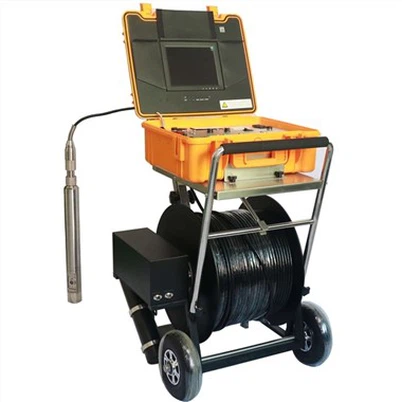
And for borehole inspection, our Hot Sale Borehole Camera 360deg offers a 360 - degree view, allowing you to get a comprehensive look at what's going on inside the borehole.
Conclusion
So, there you have it! The maximum load capacity of a hand winch depends on several factors, including design, materials, gear ratio, and drum size. By understanding these factors and carefully considering your specific needs, you can choose the right hand winch for your application.
If you're interested in purchasing a hand winch or have any questions about our products, feel free to reach out. We're here to help you find the perfect solution for your lifting and pulling needs. Whether it's a light - duty winch for a small project or a heavy - duty winch for industrial use, we've got you covered. Let's start a conversation and see how we can work together to get the job done safely and efficiently.
References
- Engineering Handbook on Lifting Equipment
- Manufacturer's Manuals for Hand Winches
- Industry Standards for Hand Winch Design and Safety