
How to maintain a ROV system?
Leave a message

Maintaining an ROV (Remotely Operated Vehicle) system is crucial for ensuring its optimal performance and longevity. As a supplier of ROV systems, I've seen firsthand the importance of proper maintenance. In this blog, I'll share some tips on how to keep your ROV system in top - notch condition.
Pre - Operation Checks
Before you send your ROV into the water, it's essential to conduct a thorough pre - operation check. First, examine the physical condition of the ROV. Look for any signs of damage, such as cracks in the hull or loose connections. A small crack might seem insignificant, but it can lead to water ingress and cause severe damage to the internal components.
Next, check the power supply. Ensure that the batteries are fully charged or that the power cable is in good condition. A power failure during operation can be a real headache, so it's better to be safe than sorry.
Inspect the thrusters. Make sure they're clean and free of debris. If there's any entanglement around the thruster blades, it can reduce the ROV's maneuverability. You can use a soft brush to clean the thrusters gently.
Also, don't forget to test the control system. Check if all the controls are responsive and that the communication between the surface control unit and the ROV is stable. This step will help you catch any potential issues before you start your mission.
Camera Maintenance
The cameras on an ROV are like its eyes. They provide crucial visual information, so keeping them in good condition is a must.
Regularly clean the camera lenses. Over time, dirt, algae, and other debris can accumulate on the lenses, which will degrade the image quality. You can use a special lens cleaning solution and a soft microfiber cloth to clean the lenses.
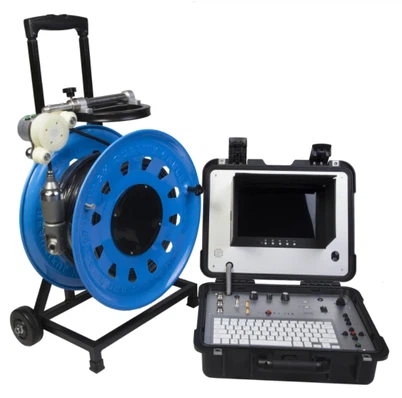
For high - end applications, you might want to consider investing in a High pixel detection underwater video camera. These cameras offer better image quality and are more reliable in harsh underwater environments. But even with high - quality cameras, proper maintenance is still necessary.
Check the camera housing for any signs of leakage. A leak can damage the camera electronics. If you notice any water inside the housing, you need to address the issue immediately. It could be due to a faulty seal, so you might need to replace the seal.
Cable and Umbilical Care
The cable or umbilical that connects the ROV to the surface control unit is a critical component. It not only provides power but also transmits data.
Inspect the cable regularly for any cuts, abrasions, or signs of wear. A damaged cable can lead to power loss or data transmission problems. If you find any damage, you should repair or replace the cable as soon as possible.
When storing the cable, make sure to coil it properly. Avoid sharp bends or kinks, as they can damage the internal wires. You can use cable reels to store the cable neatly.
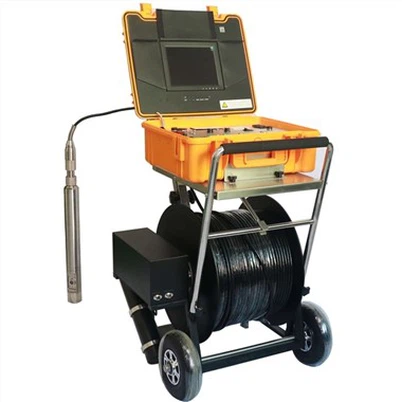
If your ROV is used in deep - sea applications, such as oil and gas exploration, you might be using a specialized Oil Gas Borehole Camera For 5000m with a long umbilical. These cables need extra care due to the high - pressure environment they're exposed to.


Pressure Vessel and Seals
The pressure vessel of the ROV protects the sensitive electronics from the high - pressure underwater environment. Check the pressure vessel for any dents, scratches, or signs of corrosion. Corrosion can weaken the vessel and compromise its integrity.
Inspect the seals around the pressure vessel and other access points. Seals are what keep the water out, so they need to be in good condition. If a seal is worn or damaged, it should be replaced immediately. You can use a sealant or lubricant to ensure a proper seal.
Software and Firmware Updates
Just like your smartphone, your ROV's software and firmware need to be updated regularly. Software updates can improve the performance of the ROV, add new features, and fix bugs.
Check the manufacturer's website regularly for software and firmware updates. Follow the instructions carefully when installing the updates. Sometimes, an update might require a specific sequence of steps, so make sure you read the documentation.
Post - Operation Maintenance
After each operation, it's important to perform some post - operation maintenance. First, rinse the ROV with fresh water to remove any salt, sand, or other debris. Saltwater can be corrosive, so it's crucial to get rid of it as soon as possible.
Dry the ROV thoroughly before storing it. Moisture can cause corrosion and damage to the electronics. You can use a soft cloth to dry the external surfaces and let the ROV air - dry in a well - ventilated area.
Check all the components again for any signs of damage or wear. This is a good time to catch any issues that might have occurred during the operation.
Storage
Proper storage is also an important part of ROV maintenance. Store the ROV in a dry, cool place. Avoid storing it in direct sunlight or in a humid environment.
If you're not going to use the ROV for an extended period, consider removing the batteries. This will prevent battery leakage and damage to the ROV's electrical system.
Training and Documentation
Make sure your operators are well - trained in ROV maintenance. A trained operator can spot potential issues early and perform basic maintenance tasks.
Keep detailed documentation of all maintenance activities. This includes the date of maintenance, what was done, and any parts that were replaced. Documentation can help you track the history of the ROV's maintenance and plan for future maintenance needs.
Conclusion
Maintaining an ROV system is a continuous process that requires attention to detail. By following these tips, you can ensure that your ROV system performs at its best and has a long lifespan. If you have any questions about ROV maintenance or if you're interested in purchasing an ROV system, feel free to reach out to us. We're here to help you make the most of your ROV investment. Whether you need a 33mm Pipe Sewer Drain Camera for sewer inspections or a high - end deep - sea ROV, we've got you covered. Contact us today to discuss your requirements and start a procurement negotiation.
References
- Underwater Robotics: Technology and Applications, edited by Richard A. Robillard.
- Handbook of Remotely Operated Vehicles, by Robert F. Schmitt.