
Can a ROV cable be used in saltwater?
Leave a message

Can a ROV cable be used in saltwater? This is a question that often arises among those involved in underwater operations, especially when it comes to Remotely Operated Vehicles (ROVs). As a supplier of ROV cables, I have encountered numerous inquiries regarding the compatibility of our cables with saltwater environments. In this blog post, I will delve into the technical aspects, challenges, and solutions related to using ROV cables in saltwater.
Understanding the Challenges of Saltwater Environments
Saltwater is a highly corrosive medium due to the presence of various salts, primarily sodium chloride. These salts can cause significant damage to materials over time through a process known as corrosion. When a metal or other conductive material is exposed to saltwater, an electrochemical reaction occurs, leading to the degradation of the material. This can result in the weakening of the cable structure, reduced electrical conductivity, and ultimately, failure of the cable.
In addition to corrosion, saltwater also poses challenges in terms of electrical insulation. The high conductivity of saltwater can interfere with the electrical signals transmitted through the cable, leading to signal loss, noise, and other issues. Moreover, the constant movement and abrasion in underwater environments can further damage the cable's insulation, increasing the risk of electrical short circuits.
Technical Requirements for ROV Cables in Saltwater
To withstand the harsh conditions of saltwater, ROV cables need to meet specific technical requirements. Firstly, the cable must be made of corrosion-resistant materials. Stainless steel, for example, is a popular choice for cable conductors due to its high resistance to corrosion. Additionally, the cable's outer sheath should be made of a material that is impermeable to saltwater and provides excellent abrasion resistance. Polyurethane is often used for this purpose, as it offers good flexibility, durability, and resistance to chemicals.
Electrical insulation is another critical aspect. The insulation material should have a high dielectric strength to prevent electrical leakage and ensure reliable signal transmission. Cross-linked polyethylene (XLPE) is a commonly used insulation material for ROV cables, as it provides excellent electrical properties and resistance to water and chemicals.
Furthermore, the cable should be designed to withstand the mechanical stresses associated with underwater operations. This includes resistance to bending, twisting, and tension. Reinforced cables with additional strength members, such as aramid fibers or steel wires, can help improve the cable's mechanical performance and prevent damage.
Our Solutions for Saltwater-Resistant ROV Cables
As a leading supplier of ROV cables, we offer a range of products specifically designed for use in saltwater environments. Our cables are manufactured using high-quality materials and advanced manufacturing processes to ensure optimal performance and reliability.
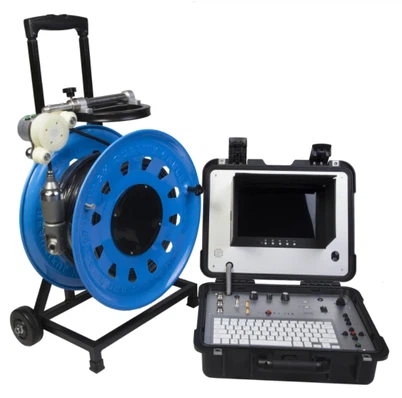
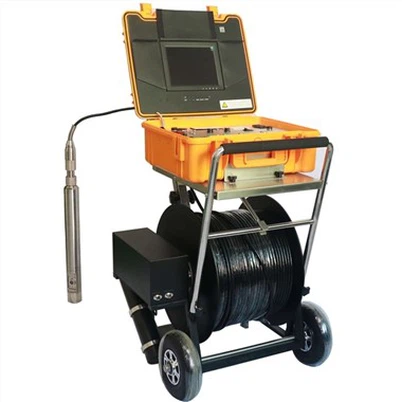
One of our key products is the Waterproof Rov Float Water Cable. This cable features a polyurethane outer sheath that provides excellent resistance to saltwater corrosion and abrasion. The cable also has a zero-buoyancy design, which means it remains neutrally buoyant in water, reducing the stress on the ROV and improving its maneuverability.
In addition to the waterproof cable, we also offer cables with enhanced electrical insulation. Our cables are insulated with XLPE, which provides superior electrical performance and resistance to water and chemicals. This ensures reliable signal transmission even in the most challenging saltwater environments.
We also understand the importance of customization in the ROV industry. That's why we offer customized cable solutions to meet the specific needs of our customers. Whether you need a cable with a specific length, diameter, or electrical specification, our team of experts can work with you to develop a tailored solution.
Case Studies: Real-World Applications
To illustrate the effectiveness of our saltwater-resistant ROV cables, let's take a look at some real-world case studies.
In a recent project, a customer was using an ROV for underwater pipeline inspection in a saltwater environment. The previous cables they used were prone to corrosion and signal loss, which affected the performance of the ROV. After switching to our Waterproof Rov Float Water Cable, they noticed a significant improvement in the cable's durability and signal transmission. The ROV was able to operate more efficiently, and the inspection results were more accurate.


Another customer was using an ROV for marine research in a coastal area. They needed a cable that could withstand the harsh saltwater conditions and provide reliable power and data transmission. Our customized ROV cable met their requirements perfectly. The cable's corrosion-resistant materials and advanced insulation ensured long-term performance, even in the presence of strong ocean currents and high salinity levels.
Complementary Products for ROV Operations
In addition to ROV cables, we also offer a range of complementary products that can enhance the performance of your ROV in saltwater environments.
The Miniature Tilt Remote Control Device For Sewer Pipe Inspection Camera To Push Endoscope Rod is a useful tool for ROVs used in pipe inspection. This device allows for precise control of the camera's tilt angle, enabling better visualization of the pipe interior.
The Submarine ROV Thruster is another essential component for ROVs. It provides the necessary propulsion for the ROV to move through the water, even in challenging conditions. Our thrusters are designed to be highly efficient and reliable, ensuring smooth and precise operation of the ROV.
Conclusion
In conclusion, using an ROV cable in saltwater is indeed possible, but it requires careful consideration of the technical requirements and challenges. Our saltwater-resistant ROV cables are designed to meet these challenges, offering excellent corrosion resistance, electrical insulation, and mechanical performance. With our customized solutions and complementary products, we can help you optimize the performance of your ROV in saltwater environments.
If you are interested in learning more about our ROV cables or other products, or if you have specific requirements for your underwater operations, please do not hesitate to contact us. We are committed to providing high-quality products and excellent customer service, and we look forward to working with you to meet your needs.
References
- "Corrosion of Metals in Seawater," ASTM International.
- "Electrical Insulation Materials for Underwater Cables," IEEE Transactions on Dielectrics and Electrical Insulation.
- "Mechanical Design of ROV Cables for Underwater Operations," Journal of Ocean Engineering and Marine Energy.