
What is the maximum bend a snake camera can handle?
Leave a message

Hey there! As a snake camera supplier, I often get asked about the maximum bend a snake camera can handle. It's a crucial question, especially for folks in the plumbing, construction, and inspection industries. So, let's dive right in and explore this topic.
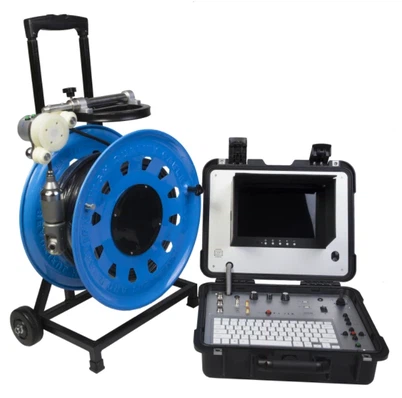
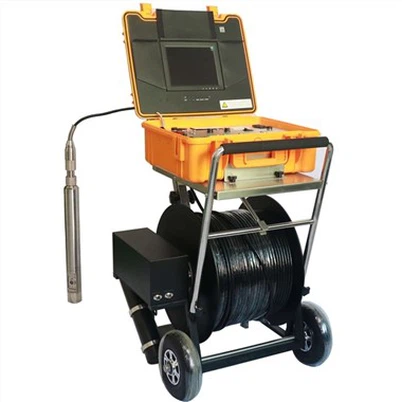
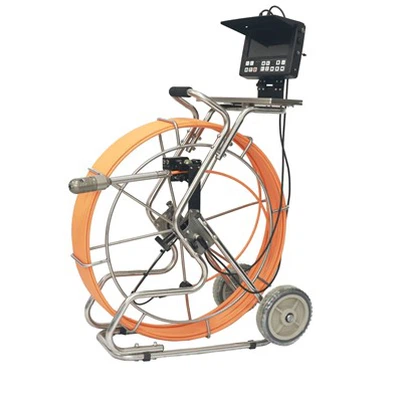
First off, let's understand what a snake camera is. A snake camera, also known as a borescope, is a flexible inspection camera with a long, thin cable. It's designed to reach tight and hard - to - access spaces, like inside pipes, ducts, and machinery. The flexibility of the cable allows it to navigate through various obstacles, but there are limits to how much it can bend.
Factors Affecting the Maximum Bend
There are several factors that determine the maximum bend a snake camera can handle.


Cable Material
The material of the camera cable plays a huge role. Most snake cameras use cables made of materials like fiberglass or high - quality plastic. Fiberglass cables are known for their strength and flexibility. They can withstand relatively sharp bends without breaking. However, they might be a bit stiffer compared to some plastic cables.
On the other hand, plastic cables are often more flexible right off the bat. But they may not be as durable as fiberglass in the long run. If the plastic is of low quality, it can crack or kink when bent too sharply. So, as a supplier, we carefully select the cable materials to balance flexibility and durability.
Camera Head Design
The design of the camera head is another important factor. A bulky or poorly designed camera head can limit the camera's ability to navigate tight bends. Modern snake cameras usually have compact and streamlined camera heads. This allows them to make sharper turns inside pipes and other confined spaces.
Some camera heads are also equipped with articulating joints. These joints can be controlled remotely, enabling the camera to adjust its angle and navigate through complex bends more easily. For example, if you're using a Sewer Pipe Inspection Camera to inspect a sewer line with multiple elbows and curves, an articulating camera head can be a real game - changer.
Cable Diameter
The diameter of the cable affects the maximum bend as well. Generally, thinner cables are more flexible and can handle sharper bends. However, thinner cables may not be as strong as thicker ones. They can be more prone to damage from abrasion or pulling.
When choosing a snake camera, you need to consider the application. If you're working in a very tight space with lots of bends, a thinner cable might be the way to go. But if you need a camera for heavy - duty use where the cable will be pulled through rough surfaces, a thicker cable could be more suitable. For instance, an Underwater Pipe Inspection Camera might require a thicker cable to withstand the underwater environment and potential debris.
Bend Radius
The bend radius is a key metric when it comes to the maximum bend a snake camera can handle. The bend radius is the radius of the circle that the cable forms when it's bent. A smaller bend radius means the cable can make sharper bends.
Most snake cameras on the market have a bend radius ranging from a few inches to several feet. For example, some consumer - grade snake cameras may have a minimum bend radius of about 6 inches, while professional - grade ones can handle a bend radius as small as 2 inches.
Real - World Applications and Bend Requirements
Let's take a look at some real - world applications and how the maximum bend requirement varies.
Plumbing Inspections
In plumbing inspections, snake cameras are used to check the inside of pipes for blockages, leaks, and damage. In residential plumbing, pipes are usually 1.5 to 4 inches in diameter, and they can have multiple 90 - degree elbows. A snake camera used for this purpose should be able to handle bends with a relatively small radius, say around 3 to 5 inches.
The Sewer Pipe Inspection Camera is specifically designed for these types of jobs. It can easily navigate through the twists and turns of sewer pipes, providing clear images of any issues inside.
Industrial Machinery Inspection
When inspecting industrial machinery, the environment can be much more challenging. There may be narrow channels, complex geometries, and high - temperature areas. Snake cameras used in these applications need to be extremely flexible and heat - resistant.
For example, in a manufacturing plant, a snake camera might need to inspect the inside of a small engine block. The camera has to navigate through small holes and tight curves. A bend radius of 1 to 2 inches may be required in such cases.
Underwater Pipe Inspections
Underwater pipe inspections are also common, especially in the marine and wastewater treatment industries. The Underwater Pipe Inspection Camera is built to withstand the harsh underwater environment.
Underwater pipes can have all sorts of bends and encrustations. The camera needs to be flexible enough to reach all parts of the pipe while also being waterproof and resistant to corrosion. The maximum bend requirements can vary depending on the pipe diameter and the complexity of the layout, but a camera that can handle a bend radius of 4 to 6 inches is usually sufficient.
How Our Snake Cameras Stack Up
As a supplier, we take pride in offering high - quality snake cameras that can handle a wide range of bends. Our cameras are designed with the latest technology and use premium materials.
We've conducted extensive testing to ensure that our cameras can meet the demands of different applications. Whether you're a plumber, an industrial inspector, or someone in the marine industry, our cameras are up to the task.
For example, our cameras feature advanced cable materials that combine flexibility and strength. The camera heads are compact and, in some models, come with articulating joints for better navigation.
If you're looking for a more advanced solution for large - scale pipe inspections, our Best Pipe Crawler Robot is a great option. It can handle even more complex pipe layouts with ease and provides high - resolution images and videos.
Contact Us for Your Snake Camera Needs
If you're in the market for a snake camera and want to know more about the maximum bend it can handle or any other features, don't hesitate to reach out. We're here to help you find the perfect camera for your specific application.
Whether you're a professional in the industry or a DIY enthusiast, we've got the right snake camera for you. Contact us today to start a discussion about your requirements and let's find the best solution together.
References
- "The Handbook of Borescopes and Fiberscopes: Technology, Design, and Applications"
- Industry reports on inspection camera technology and trends