
How to operate an ROV robot safely?
Leave a message

Hey there! As a supplier of ROV (Remotely Operated Vehicle) robots, I'm super excited to share some tips on how to operate an ROV robot safely. Whether you're a newbie or a seasoned pro, these guidelines will help you get the most out of your ROV while keeping everything safe and sound.
Pre - operation Checks
Before you even think about powering up your ROV, there are a bunch of things you need to check. First off, give the physical structure of the ROV a good once - over. Look for any signs of damage like cracks, loose parts, or frayed cables. You don't want to send your ROV into the water only to have it fall apart halfway through the mission.
Next, check the power supply. Make sure the batteries are fully charged or the power source is working properly. A dead battery in the middle of an operation can be a real headache. Also, test the communication system. This is how you'll control the ROV, so it's crucial that it's working flawlessly. Try sending some test commands to see if the ROV responds as it should.
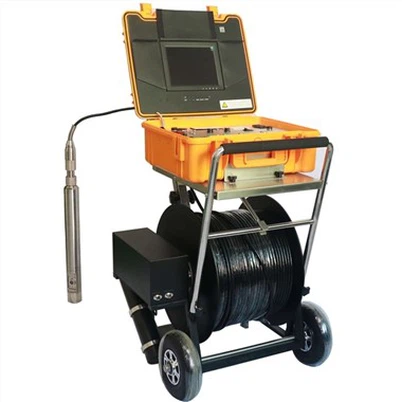
Don't forget about the payload. If you're using an ROV with a camera, like our Underwater Pan and Tilt HD Underwater Camera For Fishing Depth 500m GLF - UDC - V11S Supplier China, check that the camera is securely attached and functioning. You can test the camera by powering it on and looking at the live feed. If there are any issues with the image quality or if the camera isn't moving as it should, fix it before you go underwater.
Understanding the Operating Environment
The environment where you're going to operate the ROV plays a huge role in its safe operation. If you're working in a shallow, calm pond, the conditions are going to be a lot different from those in a deep, fast - flowing river or the open ocean.
In shallow water, you need to be careful of obstacles like rocks, branches, and debris. These can damage the ROV or get caught in its propellers. Make sure you have a clear map of the area or at least a good idea of what's down there.
In deeper water, factors like water pressure, temperature, and currents become more important. High water pressure can put a lot of stress on the ROV's components, so make sure your ROV is rated for the depth you're planning to go. Temperature can also affect the performance of the ROV's electronics, so keep that in mind.
Currents can be a real challenge. Strong currents can push the ROV off course or make it difficult to control. If you're operating in an area with strong currents, you might need to adjust your operation strategy. For example, you could try to operate the ROV during low - tide or when the currents are weaker.
Operating the ROV
Once you've done all your pre - operation checks and understand the environment, it's time to start operating the ROV. Start by slowly lowering the ROV into the water. This gives you a chance to make sure everything is working properly before it gets too far from you.
When you're controlling the ROV, use smooth and gentle movements. Jerky movements can cause the ROV to lose stability or even damage its components. If you need to make a turn, do it gradually.
Keep an eye on the ROV's sensors. These sensors can tell you important information like depth, temperature, and battery life. If the battery life is getting low, it's time to bring the ROV back to the surface.
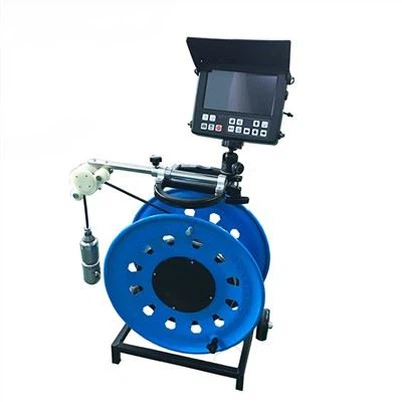
If you're using a camera on the ROV, make sure you're getting a clear view. You might need to adjust the camera's angle or focus to get the best image. Our Borehole Deep Water Inspection Camera is great for getting detailed views in deep water.
Emergency Procedures
Even with all the precautions, things can go wrong. That's why it's important to have emergency procedures in place. If the ROV gets stuck or if there's a problem with the communication system, don't panic.
First, try to use the ROV's built - in emergency functions. Some ROVs have a "return to surface" function that can bring the ROV back up quickly. If that doesn't work, you might need to use a recovery line. Make sure you have a strong and reliable recovery line attached to the ROV before you start the operation.
If the ROV is damaged beyond repair, don't try to salvage it at the risk of your own safety. It's better to cut your losses and focus on preventing similar issues in the future.


Maintenance and Storage
After each operation, it's important to clean and maintain the ROV. Rinse the ROV with fresh water to remove any salt, dirt, or debris. Check the components for any signs of wear and tear and replace any damaged parts.
When it comes to storage, make sure you store the ROV in a dry and cool place. Avoid storing it in direct sunlight or in a humid environment, as this can damage the electronics.
Conclusion
Operating an ROV robot safely is all about preparation, understanding the environment, and following the right procedures. By doing pre - operation checks, being aware of the operating environment, using smooth control movements, having emergency procedures, and maintaining the ROV properly, you can ensure a safe and successful operation.
If you're in the market for an ROV or related equipment like our Waterproof 50bars Dual View Rotation Camera, we're here to help. We offer high - quality ROVs and accessories that are designed to meet your needs. If you have any questions or want to discuss a potential purchase, feel free to reach out and start a conversation. We're always happy to help you find the best solution for your underwater exploration needs.
References
- General knowledge about ROV operation and safety from industry experience.
- Manufacturer's manuals for ROV robots and related equipment.