
Can a snake camera be used for boat inspections?
Leave a message

Can a Snake Camera be used for boat inspections?
As a supplier of snake cameras, I've often been asked about the versatility of our products. One question that comes up frequently is whether a snake camera can be used for boat inspections. In this article, I'll explore the potential of snake cameras in the context of boat inspections, highlighting their benefits, limitations, and the types of issues they can help detect.
The Basics of Snake Cameras
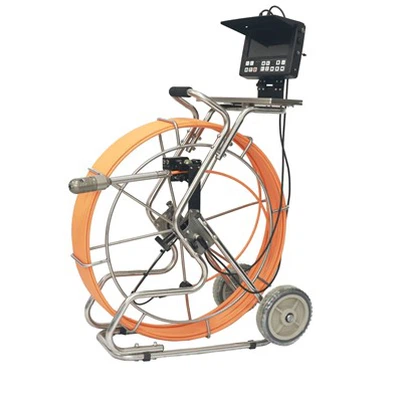
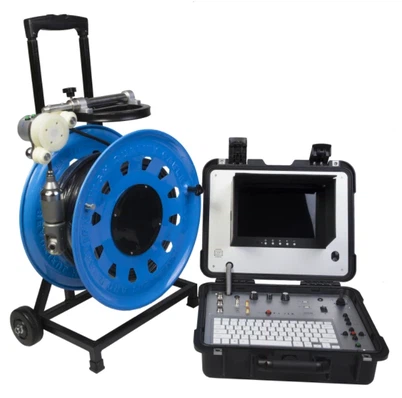
Snake cameras, also known as borescopes, are flexible cameras attached to a long, flexible cable. They are designed to access hard-to-reach areas, such as pipes, ducts, and cavities. The camera is typically equipped with a light source to illuminate the inspection area, and it transmits images or video to a monitor or a mobile device.
Our company offers a range of snake cameras, including Pipe Sewer Inspection Camera, AHD Pipe Sewer Inspection Camera, and Pipe Inspection Camera For Drain With Locator. These cameras are designed for various applications, from plumbing inspections to industrial inspections.
Benefits of Using a Snake Camera for Boat Inspections
- Accessibility: Boats have many tight spaces and hidden areas that are difficult to access with the naked eye. A snake camera can easily navigate through small openings, such as engine compartments, bilges, and fuel tanks, allowing inspectors to visually inspect these areas without disassembling the boat.
- Visual Inspection: The high-resolution images and video captured by a snake camera provide a detailed view of the inspection area. This allows inspectors to detect issues such as cracks, leaks, corrosion, and blockages that may not be visible from the outside.
- Time and Cost Savings: By using a snake camera, inspectors can quickly and accurately identify problems, reducing the time and cost associated with traditional inspection methods. This is especially important for boat owners who want to minimize downtime and maintenance costs.
- Documentation: Snake cameras can record images and video of the inspection, providing a permanent record of the boat's condition. This documentation can be useful for insurance claims, boat sales, and maintenance planning.
Applications of Snake Cameras in Boat Inspections
- Engine Compartment: The engine compartment is a critical area of the boat that requires regular inspection. A snake camera can be used to inspect the engine, fuel lines, electrical connections, and other components for signs of damage or wear. It can also help detect leaks and blockages in the cooling system.
- Bilge Area: The bilge is the lowest part of the boat, where water and debris collect. A snake camera can be used to inspect the bilge for leaks, corrosion, and the presence of pests. It can also help identify blockages in the bilge pumps and drain lines.
- Fuel Tanks: Fuel tanks are another important area of the boat that requires regular inspection. A snake camera can be used to inspect the inside of the fuel tanks for signs of corrosion, sediment buildup, and leaks. It can also help detect the presence of water or other contaminants in the fuel.
- Hull and Deck: The hull and deck of the boat are exposed to the elements and can suffer from damage over time. A snake camera can be used to inspect the hull for cracks, blisters, and other signs of damage. It can also help detect the presence of water intrusion in the deck and cabin.
Limitations of Snake Cameras in Boat Inspections
While snake cameras offer many benefits for boat inspections, they also have some limitations.
- Limited Field of View: The camera's field of view is limited by the size and shape of the inspection area. In some cases, it may be difficult to get a complete view of the area being inspected, especially if there are obstacles or tight corners.
- Depth Perception: It can be challenging to accurately judge the depth and distance of objects in the inspection area using a snake camera. This can make it difficult to determine the severity of a problem or the exact location of a defect.
- Environmental Conditions: The performance of a snake camera can be affected by environmental conditions, such as water, dust, and extreme temperatures. In some cases, it may be necessary to use special equipment or techniques to ensure accurate inspections in challenging environments.
Tips for Using a Snake Camera for Boat Inspections
- Choose the Right Camera: Select a snake camera that is suitable for the specific inspection task. Consider factors such as the length and diameter of the cable, the resolution of the camera, and the type of light source.
- Prepare the Inspection Area: Before using the snake camera, clean the inspection area and remove any debris or obstacles that may interfere with the camera's movement.
- Use Proper Lighting: Ensure that the inspection area is well-lit to obtain clear images and video. Some snake cameras have built-in lights, while others may require additional lighting equipment.
- Take Multiple Views: To get a complete view of the inspection area, take multiple images and video from different angles and positions. This will help you identify any potential issues and make accurate assessments.
- Document Your Findings: Record the images and video of the inspection and document any findings, including the location, type, and severity of the problem. This documentation will be useful for future reference and for communicating with boat owners or maintenance professionals.
Conclusion
In conclusion, snake cameras can be a valuable tool for boat inspections. They offer many benefits, including accessibility, visual inspection, time and cost savings, and documentation. However, they also have some limitations, such as limited field of view, depth perception, and environmental conditions. By choosing the right camera, preparing the inspection area, using proper lighting, taking multiple views, and documenting your findings, you can maximize the effectiveness of snake cameras in boat inspections.


If you're interested in learning more about our snake cameras or have any questions about using them for boat inspections, please feel free to contact us. We'd be happy to discuss your specific needs and help you find the right solution for your inspection requirements.
References
- "Marine Inspection Handbook" by the National Fire Protection Association
- "Boat Maintenance and Repair Manual" by the American Boat and Yacht Council
- "Snake Camera Technology: Principles and Applications" by various industry publications