
Do I need any special skills to operate a pipe camera?
Leave a message

When it comes to operating a pipe camera, many people wonder if they need any special skills. As a supplier of pipe cameras, I've encountered this question numerous times. In this blog, I'll explore whether special skills are necessary and provide some insights to help you understand the operation of pipe cameras better.
Understanding the Basics of Pipe Cameras
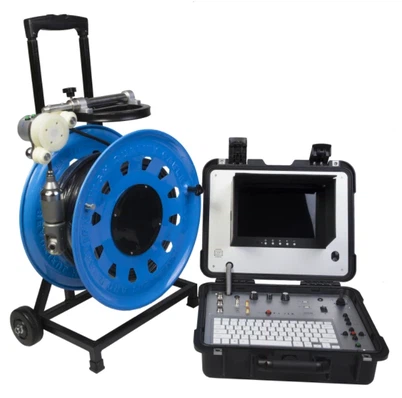
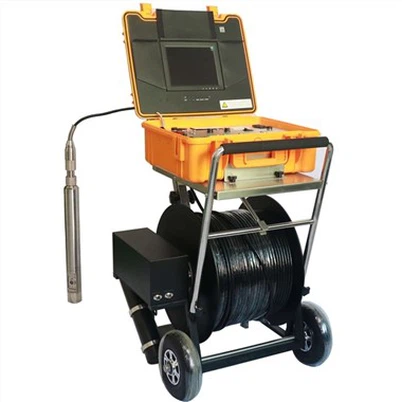
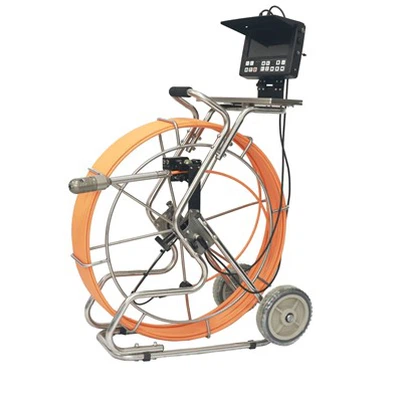
Pipe cameras are essential tools for inspecting the interior of pipes, conduits, and other confined spaces. They are commonly used in plumbing, construction, and industrial applications to detect blockages, leaks, corrosion, and other issues. These cameras typically consist of a flexible cable with a camera head at the end, which can be inserted into the pipe to capture real - time video footage.
Do You Need Special Skills?
The answer to whether you need special skills to operate a pipe camera depends on several factors.
1. Basic Operation
For basic operation, you don't necessarily need highly specialized skills. Most modern pipe cameras are designed to be user - friendly. The camera system usually comes with a control unit that allows you to turn the camera on and off, adjust the focus, and view the video feed on a monitor. You simply need to insert the camera into the pipe and slowly guide it through the pipeline while observing the footage on the screen.
For example, if you're using a Flexible Cable Industrial Borehole Camera, the process is relatively straightforward. You connect the camera to the control unit, power it on, and then carefully insert the cable into the pipe. As long as you can follow the basic instructions provided in the user manual, you can start using the camera to inspect the pipe.
2. Interpretation of Results
However, while basic operation may not require special skills, interpreting the results of the pipe inspection does demand some knowledge. You need to be able to identify different types of pipe defects from the video footage. For instance, you should be able to recognize blockages, which may appear as dark areas or objects obstructing the pipe. Leaks can be identified by the presence of water or moisture in the pipe. Corrosion may show up as rough or discolored areas on the pipe walls.
To gain this knowledge, you can take some short training courses or read technical materials about pipe inspection. Our company provides detailed documentation and support to help our customers understand the inspection results.
3. Advanced Features
Some pipe cameras come with advanced features such as pan - tilt - zoom capabilities, depth measurement, and image enhancement. Operating these advanced features may require a bit more technical know - how. For example, if you want to use the pan - tilt - zoom function to get a better view of a specific area in the pipe, you need to understand how to control the movement of the camera head.
Training and Support
As a pipe camera supplier, we understand that not all customers have prior experience with pipe inspection. That's why we offer comprehensive training and support services. Our training programs cover everything from basic operation to advanced feature usage. We also provide on - site training if needed, so that our customers can get hands - on experience with the pipe cameras.
In addition, our technical support team is always available to answer any questions you may have during the operation of the pipe camera. Whether it's a problem with the camera system or you need help interpreting the inspection results, our team is ready to assist you.
Different Types of Pipe Cameras and Their Operation Complexity
There are various types of pipe cameras available in the market, each with its own level of complexity.


1. Borehole Water Well Camera
A Borehole Water Well Camera is designed for inspecting water wells. These cameras need to be able to withstand the harsh environment of the well, including high pressure and water. Operating a borehole water well camera may require some knowledge of well construction and the specific requirements of well inspection. For example, you need to know how to properly lower the camera into the well and how to adjust the camera settings to get clear footage in the water.
2. Borewell Inspection Camera
The Borewell Inspection Camera is used for inspecting borewells. Similar to the borehole water well camera, it needs to be able to operate in a confined and often wet environment. However, the operation of a borewell inspection camera may be a bit more straightforward as it is mainly focused on inspecting the borewell walls for cracks, blockages, and other defects.
Conclusion
In conclusion, while you don't need highly specialized skills to operate a pipe camera for basic inspection, some knowledge and training are beneficial, especially when it comes to interpreting the inspection results and using advanced features. As a pipe camera supplier, we are committed to providing our customers with the necessary training and support to ensure that they can use our products effectively.
If you're interested in purchasing a pipe camera for your inspection needs, we'd be more than happy to discuss your requirements. Our team of experts can help you choose the right pipe camera for your specific application and provide you with all the information you need. Contact us today to start the conversation about your pipe inspection requirements.
References
- Pipe Camera User Manuals
- Technical Documents on Pipe Inspection
- Industry Standards for Pipe Inspection