
What is the cable diameter of a snake camera?
Leave a message

As a snake camera supplier, I often encounter questions from customers about various technical specifications of our products. One of the most frequently asked questions is about the cable diameter of a snake camera. In this blog post, I will delve into this topic, explaining what cable diameter means for snake cameras, its significance, and how it affects the performance and usability of these devices.
Understanding Cable Diameter in Snake Cameras
The cable diameter of a snake camera refers to the thickness of the cable that is attached to the camera unit. This cable is a crucial component as it not only houses the wires that transmit the video signal from the camera to the display unit but also provides power to the camera. The diameter is typically measured in millimeters (mm) or inches (in).
Snake cameras come in a variety of cable diameters, ranging from as thin as 6mm to as thick as 20mm or more. The choice of cable diameter depends on several factors, including the intended application, the size of the pipes or cavities to be inspected, and the required durability and flexibility of the cable.
Factors Influencing Cable Diameter Selection
Application
The application for which the snake camera is intended plays a significant role in determining the appropriate cable diameter. For example, if the camera is used for inspecting small, narrow pipes such as those in residential plumbing systems, a thinner cable with a diameter of 6mm - 10mm may be sufficient. These thin cables can easily navigate through tight bends and small openings without getting stuck. On the other hand, for industrial applications where larger pipes or conduits need to be inspected, a thicker cable with a diameter of 12mm - 20mm may be more suitable. Thicker cables are generally more robust and can withstand the rigors of industrial environments.
Pipe Size
The size of the pipes or cavities to be inspected is another important factor. A cable that is too thick for the pipe may not be able to enter or move freely, while a cable that is too thin may not be strong enough to push through long or complex pipe runs. For instance, when inspecting sewer pipes, which are typically larger in diameter, a cable with a diameter of 10mm - 15mm is commonly used. This allows the camera to reach deep into the pipes while maintaining sufficient strength and flexibility.
Durability and Flexibility
The durability and flexibility of the cable are also influenced by its diameter. Thicker cables are generally more durable and can withstand more wear and tear. They are less likely to break or get damaged when used in harsh environments or when pushed through rough surfaces. However, thicker cables may be less flexible, which can make it more difficult to navigate through tight bends. Thinner cables, on the other hand, are more flexible but may be less durable. Therefore, a balance needs to be struck between durability and flexibility based on the specific requirements of the inspection.
Impact of Cable Diameter on Performance
Signal Transmission
The cable diameter can affect the quality of the video signal transmitted from the camera to the display unit. Thicker cables typically have more space to accommodate larger conductors, which can result in better signal transmission and less interference. This is especially important for long cable runs, where signal degradation can be a significant issue. A high - quality video signal ensures that the inspector can clearly see the details inside the pipes or cavities, making it easier to identify any problems or defects.
Power Delivery
The cable diameter also plays a role in power delivery. Thicker cables have lower resistance, which means they can deliver power more efficiently to the camera. This is crucial for ensuring that the camera functions properly, especially for cameras with high - power features such as bright LED lights or pan - tilt capabilities. Insufficient power can lead to dim images, slow camera movement, or even camera malfunction.
Different Cable Diameters in Our Product Range
As a snake camera supplier, we offer a wide range of products with different cable diameters to meet the diverse needs of our customers.


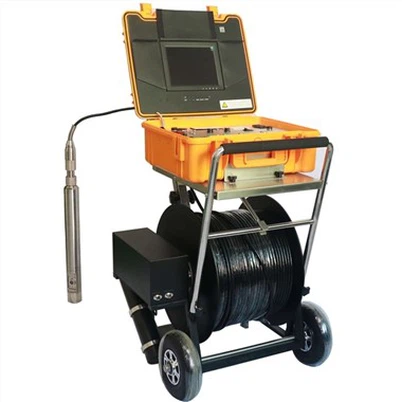
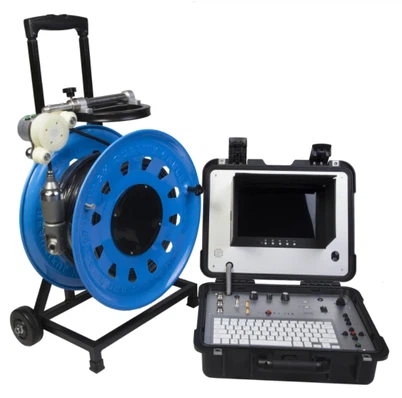
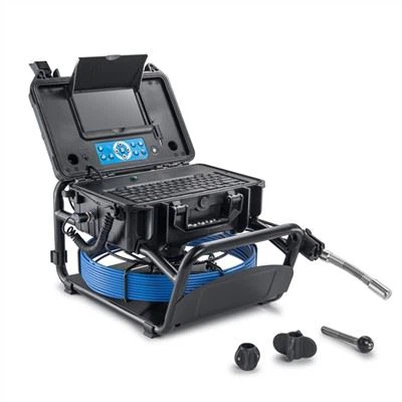
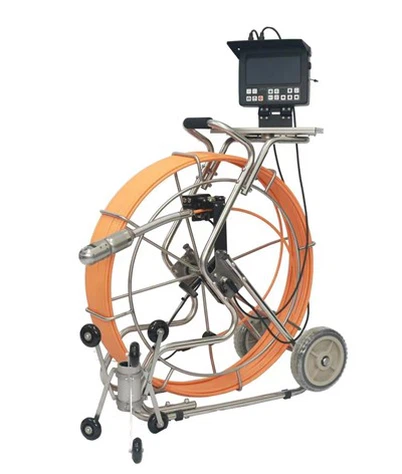
- 6mm - 10mm Cable Diameter: Our Sewer Drain Pan Tilt Pipe Inspection Camera with a 6mm - 10mm cable diameter is ideal for residential plumbing inspections. These cameras are lightweight and highly flexible, allowing them to easily navigate through small pipes and tight spaces. They are also portable and easy to use, making them a popular choice for homeowners and small - scale plumbing contractors.
- 10mm - 15mm Cable Diameter: The Plumbing Pipe Inspection Sewer Camera in this range is suitable for both residential and commercial plumbing applications. The slightly thicker cable provides more durability and strength, making it suitable for longer pipe runs and more complex pipe systems. These cameras are often equipped with advanced features such as high - resolution cameras and adjustable LED lights for better visibility.
- 15mm - 20mm Cable Diameter: Our Waterproof CCTV Drain Camera with a 15mm - 20mm cable diameter is designed for industrial and large - scale sewer inspections. The thick cable can withstand the harsh conditions in industrial pipes, including high - pressure water flow and abrasive materials. These cameras are also equipped with heavy - duty components and advanced imaging technology for accurate and reliable inspections.
Conclusion and Call to Action
In conclusion, the cable diameter of a snake camera is a critical factor that affects its performance, usability, and suitability for different applications. By understanding the various factors that influence cable diameter selection, customers can choose the right snake camera for their specific needs.
If you are in the market for a snake camera and need more information about cable diameters or any other technical specifications, please feel free to contact us. Our team of experts is always ready to assist you in making the best choice for your inspection requirements. Whether you are a homeowner, a plumbing contractor, or an industrial inspector, we have the right snake camera for you. Let's start a conversation and find the perfect solution for your needs.
References
- "Pipe Inspection Camera Handbook", Industry Publishing Group
- "Advanced Techniques in Sewer and Drain Inspection", Technical Research Institute