
Can a sewer camera be used for inspecting dual - wall pipes?
Leave a message

As a seasoned sewer camera supplier, I've encountered numerous inquiries regarding the adaptability of our products, particularly when it comes to inspecting dual - wall pipes. Dual - wall pipes are widely used in various industries, including wastewater management, stormwater drainage, and industrial fluid conveyance. Their design, which consists of an inner and outer wall separated by a void space, offers enhanced strength and protection against external damage. However, this unique structure also presents specific challenges when it comes to inspection.
Understanding Dual - Wall Pipes
Dual - wall pipes are engineered to provide a high level of durability and performance. The inner wall is typically smooth, facilitating the efficient flow of fluids, while the outer wall has a corrugated or ribbed design to enhance structural integrity. The void space between the two walls adds an extra layer of protection against leaks and external forces. While these pipes are robust, they are not immune to issues such as blockages, cracks, or joint failures. Timely inspection is crucial to prevent costly repairs and downtime.
Capabilities of Sewer Cameras
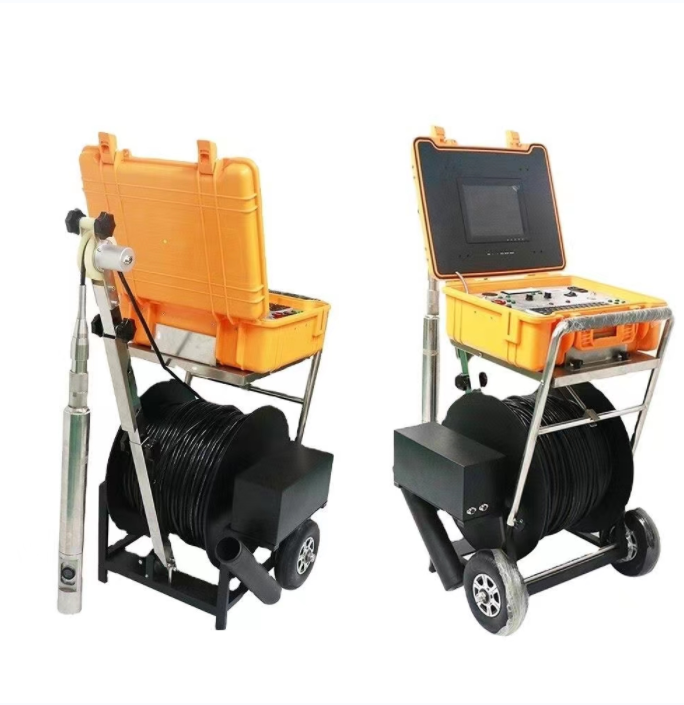
Our sewer cameras are highly versatile tools designed to offer detailed visual inspection of pipes. They feature high - resolution cameras, powerful LED lighting systems, and flexible cables that can navigate through complex pipe networks. The cameras are equipped with pan - tilt - zoom functionalities, allowing operators to precisely examine every nook and cranny of the pipe interior. Additionally, many of our models come with advanced recording and imaging capabilities, enabling the documentation of inspection results for future reference.
Using Sewer Cameras for Dual - Wall Pipe Inspection
One of the primary advantages of using a sewer camera for dual - wall pipe inspection is its ability to provide real - time visual data. The camera can easily be inserted into the inner wall of the pipe, where it can detect debris, root intrusion, or other blockages that may affect the flow of fluids. The high - resolution images and videos captured by the camera allow operators to accurately assess the condition of the pipe, including the presence of cracks or joint separations.
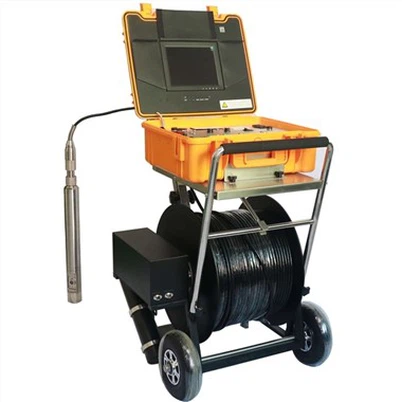
In some cases, the void space between the inner and outer walls of the dual - wall pipe may need to be inspected as well. Our Flexible Cable Industrial Borehole Camera is particularly well - suited for this task. Its flexible cable can be maneuvered through small access points, and the camera can be adjusted to capture images of the void space. This helps in identifying issues such as water intrusion, which can lead to corrosion and structural damage over time.
Challenges and Solutions
Despite their capabilities, inspecting dual - wall pipes with a sewer camera can be challenging. The corrugated outer wall can cause shadows and reflections, which may obscure the view of the camera. To overcome this, our cameras are equipped with advanced lighting systems that can enhance visibility. The adjustable LED lights can be brightened or dimmed as needed to provide optimal illumination, even in difficult conditions.
Another challenge is navigating the camera through the complex paths of dual - wall pipes, especially when there are bends or obstacles. Our cameras are designed with highly flexible cables that can easily negotiate these curves. The pan - tilt - zoom features also allow the operator to position the camera precisely, ensuring comprehensive inspection of the pipe.
Applications in Different Industries
In the wastewater management industry, dual - wall pipes are commonly used to transport sewage. Regular inspection using sewer cameras can help detect blockages caused by grease, debris, or tree roots before they lead to backups and overflows. This proactive approach can save municipalities and wastewater treatment facilities significant amounts of money in repair and cleanup costs.
In the stormwater drainage system, dual - wall pipes are used to carry rainwater runoff. Sewer cameras can be used to check for damage caused by flooding, erosion, or heavy traffic. By identifying and repairing these issues early, the risk of water damage to buildings and infrastructure can be minimized.
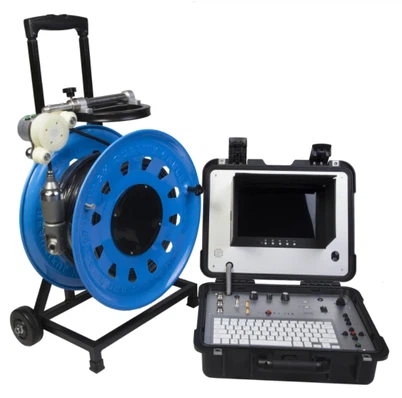
For industrial applications, such as chemical or oil transportation, the integrity of dual - wall pipes is of utmost importance. Our Borehole Water Well Camera and Borewell Inspection Camera can be used to inspect these pipes for signs of corrosion or leaks, ensuring the safe and efficient operation of industrial processes.

Benefits of Partnering with a Sewer Camera Supplier
When it comes to inspecting dual - wall pipes, having access to high - quality sewer cameras and expert support is essential. As a supplier, we offer a wide range of camera models to suit different pipe sizes and inspection requirements. Our technical team is available to provide training and support to operators, ensuring that they can use the cameras effectively.
We also understand the importance of reliability and durability in sewer camera systems. Our products are built to withstand harsh environments and frequent use. We use only the highest - quality materials and components in the manufacturing process, and each camera undergoes rigorous testing before it is shipped to the customer.
How to Choose the Right Sewer Camera for Dual - Wall Pipe Inspection
Selecting the appropriate sewer camera for dual - wall pipe inspection depends on several factors. The size of the pipe is a critical consideration. For smaller pipes, a camera with a slender probe and a flexible cable is required. On the other hand, larger pipes may demand a camera with a wider field of view and more powerful illumination.
The length of the inspection also matters. If you need to inspect long stretches of pipe, a camera with a long cable and sufficient battery life is necessary. Additionally, consider the type of data you need to collect. If you require detailed images and videos for documentation purposes, choose a camera with high - resolution imaging capabilities.
Future of Sewer Camera Technology for Dual - Wall Pipe Inspection
The future of sewer camera technology for dual - wall pipe inspection looks promising. Advancements in imaging sensors are leading to even higher - resolution cameras, which will provide clearer and more detailed images. The integration of artificial intelligence and machine learning algorithms will enable automated defect detection, reducing the time and effort required for manual inspection.
Remote - controlled sewer cameras are also becoming more common. These cameras can be operated from a distance, allowing for inspection in hazardous or hard - to - reach areas. As technology continues to evolve, sewer cameras will become even more effective tools for ensuring the integrity of dual - wall pipes.
Conclusion
In conclusion, sewer cameras can indeed be used for inspecting dual - wall pipes. Their ability to provide real - time visual data, navigate through complex pipe networks, and capture high - quality images makes them invaluable tools in the inspection process. Whether you are in the wastewater management, stormwater drainage, or industrial sector, our sewer cameras can help you identify and address issues in dual - wall pipes before they escalate.
If you are interested in learning more about our sewer camera products or inquiring about how they can be used for your specific dual - wall pipe inspection needs, we encourage you to reach out to us for a procurement discussion. Our team of experts is ready to assist you in finding the ideal solution for your requirements.
References
- Johnson, M. (2018). Pipe Inspection Technologies. Elsevier.
- Smith, A. (2020). Advances in Sewer Camera Systems. Journal of Civil Engineering and Inspection.
- Brown, C. (2019). Dual - Wall Pipe Design and Applications. McGraw - Hill.