
What sensors do ROV robots have?
Leave a message

Hey there! I'm a supplier of ROV (Remotely Operated Vehicle) robots, and I'm super stoked to chat with you about the nifty sensors these cool machines have. ROVs are like the underwater superheroes, helping out in all sorts of jobs, from inspecting oil rigs to exploring the deep - sea mysteries. A big part of their awesomeness comes from the sensors they're equipped with.
Let's kick things off with the sonar sensors. Sonar is pretty much the ROV's sixth - sense when it comes to seeing in the dark, murky waters. It works by sending out sound waves and then measuring how long they take to bounce back. There are two main types of sonar commonly used on ROVs: imaging sonar and scanning sonar.
Imaging sonar is like getting a detailed picture of the underwater world. It can create a high - resolution display of the objects in front of the ROV. This is incredibly useful for tasks like inspecting underwater structures. Imagine an oil company needs to check the integrity of their offshore platforms. The imaging sonar on the ROV can give a clear view of any cracks or damages, making it easier for the engineers to decide on the next steps.
Scanning sonar, on the other hand, is more about getting a broader view. It rotates 360 degrees, scanning the surrounding area. This is great for navigation purposes. When an ROV is moving through an unfamiliar underwater territory, the scanning sonar can detect any obstacles in its path, helping the operator steer clear of trouble.
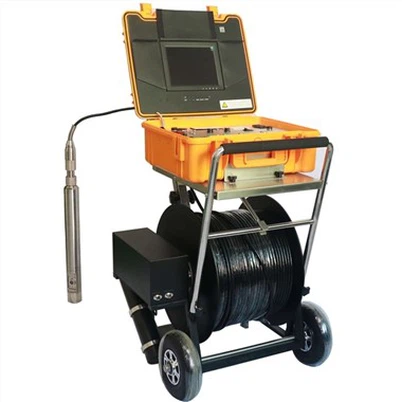
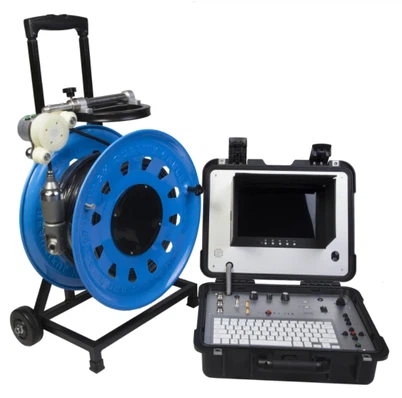
Next up, we've got the cameras. Cameras are the eyes of the ROV. They come in all shapes and sizes, and with different capabilities. For example, some of the cameras we offer, like the Borehole Inspection Camera and Flexible Cable Industrial Borehole Camera, are designed for very specific tasks. The borehole inspection camera is perfect for looking inside boreholes, which could be used in water well monitoring or geological exploration. It can handle the tight spaces and give a clear view of what's going on down there.
The flexible cable industrial borehole camera, as the name suggests, has a flexible cable. This allows it to navigate through more complex and winding paths inside boreholes. And then, there's the Best Underwater Sewer Drain Pipe Inspection Video Camera 100m. It's built to handle long - distance inspections in sewer drain pipes. With its 100 - meter cable, it can reach deep into the pipes, checking for blockages, leaks, or any signs of damage.
Another crucial sensor is the depth sensor. As you can probably guess, it measures how deep the ROV is in the water. This is super important for a few reasons. First of all, different depths can mean different water pressures. The ROV needs to operate within its pressure limits to avoid any damage. The operator also needs to know the depth to accurately position the ROV for its task. Whether it's picking up an object on the ocean floor or inspecting a specific layer of a coral reef, the depth sensor provides the necessary information.
Temperature sensors are also on board most ROVs. The temperature of the water can vary a lot depending on the depth, location, and time of day. These sensors help scientists study the ocean's temperature patterns. For example, in some areas, changes in water temperature can indicate the presence of underwater volcanoes or thermal vents. By monitoring the temperature with an ROV, researchers can gather valuable data about these natural phenomena.


Light sensors are a must - have for the cameras on the ROV. Since the underwater environment can be very dark, the ROV needs to adjust its lighting according to the available light. The light sensors detect how much light is present and then the ROV can either turn on its lights or adjust their intensity. This ensures that the footage captured by the cameras is as clear as possible.
Now, let's talk about the compass and gyroscope sensors. The compass helps the ROV know which direction it's facing. Just like when you use a compass on land to find your way, the ROV's compass allows the operator to navigate it accurately in the water. The gyroscope, on the other hand, measures the ROV's orientation and rotation. It gives information about how the ROV is tilted and spinning. This is important for keeping the ROV stable and in the right position. Whether it's moving horizontally or vertically, the compass and gyroscope work together to ensure smooth and controlled movement.
Proximity sensors are also quite useful. These sensors detect how close the ROV is to other objects. They can prevent the ROV from accidentally bumping into things like underwater rocks or shipwrecks. When the proximity sensors detect that the ROV is getting too close to an object, they send a signal to the operator, who can then adjust the ROV's course.
Salinity sensors are installed on some ROVs for scientific research purposes. The salinity of the water affects many aspects of the marine environment, including the density of the water and the distribution of marine life. By measuring the salinity, scientists can learn more about the ocean's ecosystems and how they're changing over time.
As a supplier of ROV robots, I know that these sensors are what make these machines so versatile and useful. Whether you're in the oil and gas industry, scientific research, or environmental monitoring, having the right sensors on your ROV can make all the difference.
If you're looking for an ROV that's equipped with top - notch sensors to meet your specific needs, I'd love to chat with you about it. We've got a wide range of ROVs with different sensor configurations, and we can customize them according to your requirements. So, if you're interested in learning more or starting a procurement process, don't hesitate to reach out. We're here to help you find the perfect ROV solution for your job.
References
General knowledge of ROV technology and marine sensor applications