
What is the bit depth of a pipe camera's image data?
Leave a message

Hey there! As a pipe camera supplier, I often get asked about the bit depth of a pipe camera's image data. It might sound like a technical jargon, but it's actually a crucial factor that can significantly impact the quality of the images and videos captured by these cameras. So, let's dive into it and figure out what bit depth really means and why it matters for pipe cameras.
First off, what's bit depth? In simple terms, bit depth refers to the number of bits used to represent each pixel in an image or video. Each bit can be either a 0 or a 1, and the more bits you have per pixel, the more colors and shades of gray the camera can capture. For example, a 1-bit image can only have two colors: black and white. It's like a really basic on-off switch. But as you increase the bit depth, you open up a whole new world of colors and details.
A common bit depth for digital cameras, including pipe cameras, is 8 bits per pixel. With 8 bits, you can represent 2^8 (which is 256) different levels of color or gray. That might seem like a lot, and for many applications, it's more than enough. However, when it comes to pipe inspection, where you need to spot small cracks, corrosion, or other defects, a higher bit depth can make a huge difference.


Let's say you're using an 8-bit pipe camera to inspect a dark, dirty pipe. The limited number of color levels might make it difficult to distinguish between different types of debris or to see subtle changes in the pipe's surface. But if you switch to a camera with a higher bit depth, like 10 or 12 bits, you'll get a much more detailed and accurate picture. With 10 bits per pixel, you can represent 1024 different levels of color, and with 12 bits, that number jumps to 4096. That means you'll be able to see more nuances in the pipe's condition, which can help you make better decisions about repairs or maintenance.
Another advantage of a higher bit depth is that it can handle a wider range of lighting conditions. In a pipe, the lighting can be inconsistent, with some areas being very bright and others very dark. An 8-bit camera might struggle to capture details in both the bright and dark areas at the same time. It might overexpose the bright parts and underexpose the dark parts, resulting in a loss of information. But a camera with a higher bit depth has a greater dynamic range, which means it can capture details in both the highlights and shadows without losing too much information.
Now, you might be wondering if there's any downside to using a camera with a higher bit depth. Well, one potential issue is that the files generated by these cameras can be larger. Since each pixel is represented by more bits, the overall file size of the images and videos will be bigger. This can be a problem if you have limited storage space or if you need to transfer the files quickly. However, most modern pipe cameras come with built-in compression algorithms that can help reduce the file size without sacrificing too much image quality.
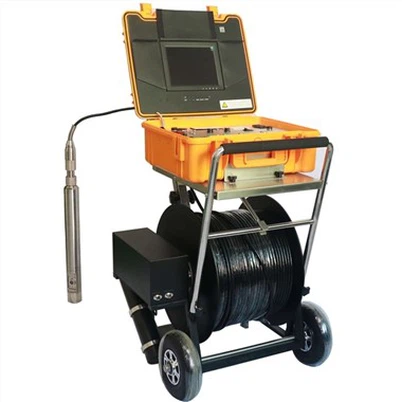
At our company, we offer a range of pipe cameras with different bit depths to suit different needs. Whether you're a professional plumber, a civil engineer, or a utility company looking to inspect your pipes, we've got you covered. Our Borehole Deep Water Inspection Camera is a great option for deep water and borehole inspections. It features a high bit depth and a powerful lighting system to ensure clear and detailed images even in challenging conditions.
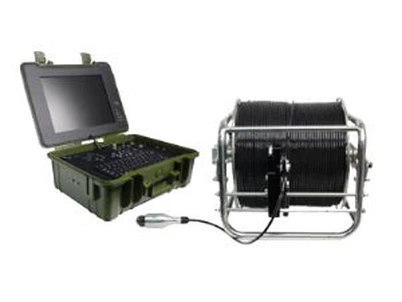
If you're working on a factory borehole or water well, our Factory Borehole Water Well Camera is the perfect choice. It's designed to withstand the harsh environment of a factory and can provide accurate and reliable inspections. And for general borehole water well inspections, our Borehole Water Well Camera offers a great balance of performance and affordability.
In conclusion, the bit depth of a pipe camera's image data is an important factor to consider when choosing a camera for your inspection needs. A higher bit depth can provide more detailed and accurate images, better handle different lighting conditions, and help you make more informed decisions about pipe repairs and maintenance. If you're in the market for a pipe camera, don't hesitate to reach out to us. We'd be happy to discuss your requirements and help you find the right camera for your job. Whether you have questions about bit depth or any other features, our team of experts is here to assist you. Let's work together to ensure your pipe inspections are as efficient and effective as possible.
References
- Digital Imaging Fundamentals: Understanding Bit Depth. Retrieved from various photography and imaging resources.
- Pipe Inspection Technology: Advancements in Camera Systems. Industry reports and technical papers on pipe inspection equipment.