
Are snake cameras resistant to scratches?
Leave a message

Snake cameras, also known as inspection cameras or borescopes, have become indispensable tools in various industries, including plumbing, automotive, and construction. These cameras are designed to navigate through tight spaces, providing visual inspection in areas that are otherwise difficult to reach. One common question that arises among potential users and buyers is whether snake cameras are resistant to scratches. As a snake camera supplier, I will delve into this topic, exploring the factors that affect scratch resistance, the materials used, and how to maintain the longevity of these valuable tools.
Understanding the Importance of Scratch Resistance
Scratch resistance is a crucial factor to consider when evaluating the quality and durability of a snake camera. Scratches on the camera lens or the cable can significantly impact the performance and functionality of the device. A scratched lens can distort the image, making it difficult to accurately assess the condition of the inspected area. On the other hand, scratches on the cable can compromise its integrity, leading to signal loss or even complete failure of the camera.


In industries such as plumbing and sewer inspection, snake cameras are often exposed to harsh environments, including rough surfaces, sharp objects, and abrasive materials. In these situations, the camera is at a high risk of getting scratched. Therefore, having a scratch-resistant snake camera can save time and money by reducing the need for frequent repairs or replacements.
Factors Affecting Scratch Resistance
Several factors contribute to the scratch resistance of a snake camera. These include the materials used in the construction of the camera, the design of the camera, and the level of protection provided.
Materials
The materials used in the construction of the camera lens and the cable play a significant role in determining its scratch resistance. High-quality snake cameras often use materials such as sapphire or hardened glass for the lens. Sapphire is one of the hardest materials available, second only to diamond. It offers excellent scratch resistance, making it ideal for use in harsh environments. Hardened glass is also a popular choice, as it is more affordable than sapphire while still providing a good level of scratch resistance.
The cable of the snake camera is typically made of materials such as PVC or polyurethane. These materials are flexible and durable, but they can be prone to scratching. To improve scratch resistance, some manufacturers coat the cable with a protective layer, such as a nylon or Teflon coating.
Design
The design of the snake camera can also affect its scratch resistance. Cameras with a robust and well-protected housing are less likely to get scratched. Some cameras feature a reinforced tip or a protective shield around the lens, which helps to prevent direct contact with sharp objects. Additionally, cameras with a smooth and streamlined design are less likely to catch on rough surfaces, reducing the risk of scratches.
Protection
Providing additional protection for the snake camera can significantly improve its scratch resistance. This can include using a protective case or sheath when the camera is not in use, or using a guide tube when navigating through rough or abrasive surfaces. Some snake cameras also come with a built-in protective cover for the lens, which can be easily removed and replaced if it gets scratched.
Evaluating Scratch Resistance in Different Snake Cameras
As a snake camera supplier, I offer a wide range of products with varying levels of scratch resistance. Let's take a look at some of our popular models and how they compare in terms of scratch resistance.
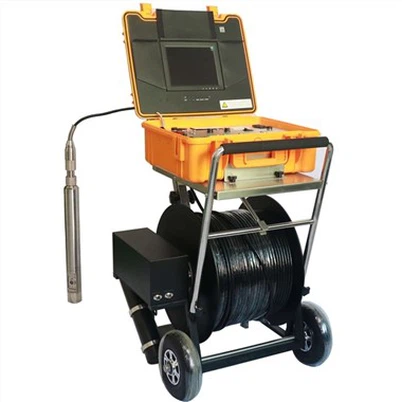
50m With Automatic Self-leveling 512HZ Transmitter 7-inch DVR Sewer Pipe Inspection Drainage Pipe Detection Camera
This high-end snake camera is designed for professional sewer and pipe inspection. It features a sapphire lens, which provides excellent scratch resistance. The cable is coated with a nylon layer, which helps to protect it from scratches and abrasions. The camera also has a reinforced tip and a protective shield around the lens, further enhancing its durability.
AHD Pipe Sewer Inspection Camera
This mid-range snake camera is a popular choice for both professional and DIY users. It uses a hardened glass lens, which offers a good level of scratch resistance at an affordable price. The cable is made of PVC with a protective coating, providing decent protection against scratches. The camera has a compact and lightweight design, making it easy to maneuver in tight spaces.
Waterproof CCTV Drain Camera
This budget-friendly snake camera is suitable for basic drainage and pipe inspection. It has a standard glass lens, which is more prone to scratching compared to sapphire or hardened glass. However, it still provides a clear image for most inspection tasks. The cable is made of polyurethane, which is flexible but can be scratched if not handled carefully.
Maintaining Scratch Resistance
Even the most scratch-resistant snake camera requires proper maintenance to ensure its longevity. Here are some tips on how to maintain the scratch resistance of your snake camera:
- Clean the camera regularly: Use a soft, lint-free cloth to clean the lens and the cable after each use. This will remove any dirt, debris, or abrasive particles that could cause scratches.
- Avoid contact with sharp objects: When using the snake camera, be careful not to let it come into contact with sharp objects, such as nails, screws, or broken glass. If you need to navigate through an area with sharp objects, consider using a guide tube or a protective sheath.
- Store the camera properly: When not in use, store the snake camera in a protective case or a padded bag. This will prevent it from getting scratched or damaged during transportation or storage.
- Replace the protective cover if necessary: If the protective cover on the lens gets scratched, replace it as soon as possible. This will ensure that the lens remains protected and the image quality is not affected.
Conclusion
In conclusion, scratch resistance is an important factor to consider when choosing a snake camera. High-quality snake cameras with scratch-resistant materials and designs can provide better performance and durability, especially in harsh environments. As a snake camera supplier, I offer a range of products to suit different needs and budgets. Whether you are a professional plumber, an automotive technician, or a DIY enthusiast, I can help you find the right snake camera for your inspection tasks.
If you are interested in purchasing a snake camera or have any questions about scratch resistance or other features, please feel free to contact me for more information. I am always happy to assist you in making the right choice for your needs.
References
- "Materials for Camera Lenses." Optics and Photonics News, OSA Publishing, https://www.osa-opn.org/home/articles/volume_24/issue_6/features/materials_for_camera_lenses/.
- "Polyurethane vs. PVC: Which is Better for Your Application?" Curbell Plastics, https://www.curbellplastics.com/learning-center/polyurethane-vs-pvc-which-is-better-for-your-application.
- "How to Clean and Maintain Your Borescope." RS Components, https://uk.rs-online.com/web/content/discovery/ideas-and-advice/borescope-cleaning-and-maintenance-guide.