
What functions can a manipulator on an ROV robot perform?
Leave a message

As a leading ROV (Remotely Operated Vehicle) robot supplier, I am often asked about the various functions that a manipulator on an ROV robot can perform. In this blog post, I will delve into the diverse capabilities of these manipulators, which play a crucial role in enhancing the utility and versatility of ROVs across different industries.
1. Grasping and Holding Objects
One of the most fundamental functions of an ROV manipulator is its ability to grasp and hold objects underwater. This is essential for tasks such as retrieving samples, collecting debris, or moving equipment. The manipulator's grippers are designed with different shapes and materials to accommodate a wide range of objects. For example, some grippers have a soft, rubberized surface to prevent damage to delicate items, while others are equipped with sharp teeth for a more secure grip on irregularly shaped objects.
In underwater exploration and research, the ability to collect samples is of utmost importance. An ROV manipulator can be used to pick up rocks, sediment, or biological specimens from the ocean floor. These samples can then be analyzed to gain insights into the underwater environment, such as the composition of the seabed, the presence of certain species, or the impact of human activities.


2. Precision Placement and Assembly
Another key function of an ROV manipulator is precision placement and assembly. In industries such as oil and gas, renewable energy, and underwater construction, there is often a need to install or repair equipment at great depths. The manipulator can be used to position components accurately and perform tasks such as connecting pipes, tightening bolts, or installing sensors.
For instance, in an offshore oil rig, an ROV manipulator can be used to install subsea valves or perform maintenance on underwater pipelines. The high level of precision offered by the manipulator ensures that these tasks are carried out safely and efficiently, reducing the risk of human error and minimizing downtime.
3. Cutting and Welding
In some applications, an ROV manipulator may be equipped with cutting and welding tools. This allows the ROV to perform tasks such as cutting through metal structures, removing damaged components, or welding new parts together. Cutting and welding functions are particularly useful in the repair and maintenance of underwater infrastructure, such as bridges, dams, and offshore platforms.
The cutting tools on an ROV manipulator can include hydraulic shears, plasma cutters, or diamond wire saws, depending on the type of material to be cut. Welding tools, on the other hand, can be used to create strong and durable joints between metal components. These functions require a high level of skill and control, which is made possible by the advanced technology and design of modern ROV manipulators.
4. Inspection and Monitoring
ROV manipulators can also be used for inspection and monitoring purposes. By attaching cameras, sensors, or other inspection devices to the manipulator, operators can get a closer look at underwater structures and equipment. This is especially important for detecting signs of damage, corrosion, or wear and tear.
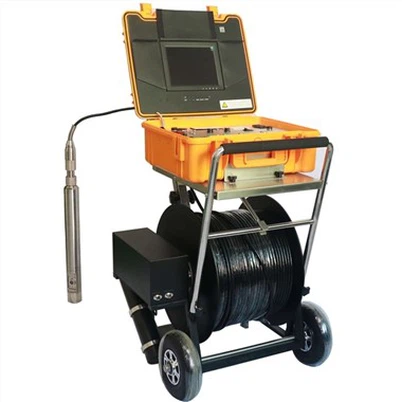
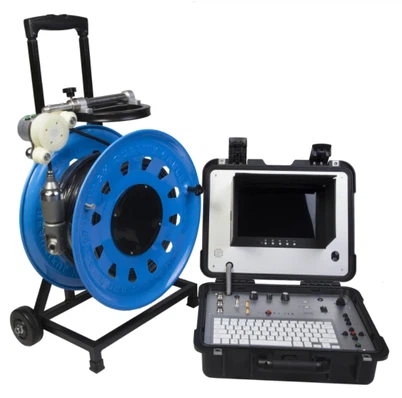
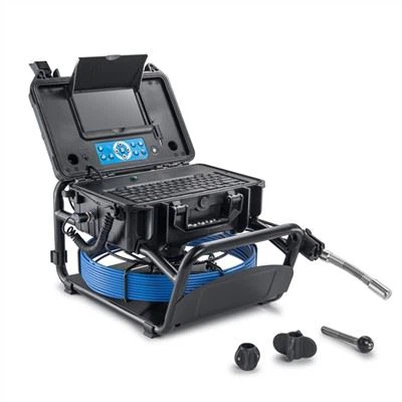
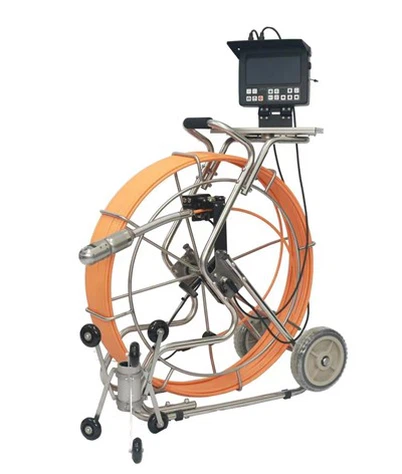
For example, our 5000m Depth Oil Inspection Camera can be mounted on an ROV manipulator to provide high-resolution images and videos of oil pipelines and other subsea infrastructure. The camera can be maneuvered to different angles and positions, allowing for a comprehensive inspection of the area. Similarly, the Deep Well Camera Drilling Inspection Camera and Hot Sale Borehole Inspection Camera can be used to inspect boreholes and deep wells, helping to identify any potential issues before they become major problems.
5. Interaction with the Environment
In addition to the above functions, an ROV manipulator can interact with the underwater environment in various ways. For example, it can be used to move sediment, clear debris, or create artificial habitats. This can be beneficial for environmental conservation and restoration projects.
In some cases, the manipulator can be used to plant seagrass or coral fragments, which can help to restore damaged ecosystems. By carefully placing these organisms in suitable locations, the ROV can contribute to the growth and recovery of underwater habitats.
6. Adaptability and Customization
One of the advantages of modern ROV manipulators is their adaptability and customization. Different industries and applications have unique requirements, and the manipulator can be tailored to meet these specific needs. For example, the size, strength, and range of motion of the manipulator can be adjusted depending on the task at hand.
Some manipulators are designed to be highly modular, allowing for easy replacement of tools and components. This means that the ROV can be quickly reconfigured for different tasks, increasing its versatility and efficiency. Additionally, advanced control systems enable operators to program the manipulator to perform complex tasks autonomously or semi-autonomously, further enhancing its capabilities.
Conclusion
In conclusion, the functions of a manipulator on an ROV robot are diverse and far - reaching. From grasping and holding objects to precision placement, cutting and welding, inspection, and environmental interaction, these manipulators play a vital role in a wide range of industries. As an ROV robot supplier, we are committed to providing high - quality, reliable, and innovative manipulators that meet the evolving needs of our customers.
If you are interested in learning more about our ROV robots and their manipulator functions, or if you have specific requirements for your underwater operations, we encourage you to contact us for a detailed discussion. Our team of experts is ready to assist you in finding the best solutions for your projects.
References
- Singh, S., & Smith, J. (2020). Advances in ROV Manipulator Technology. Journal of Underwater Robotics, 15(2), 45 - 60.
- Johnson, A., & Brown, B. (2019). Applications of ROV Manipulators in Offshore Industries. Marine Engineering Review, 22(3), 78 - 92.
- Williams, C., & Green, D. (2018). Environmental Applications of ROV Manipulators. Environmental Science and Technology, 32(4), 123 - 135.