
How long can a sewer camera cable be?
Leave a message

How long can a sewer camera cable be? This is a question that often comes up when customers are considering purchasing a sewer camera system. As a leading sewer camera supplier, we understand the importance of providing accurate information to help our customers make informed decisions. In this blog post, we will explore the factors that determine the length of a sewer camera cable and provide some insights into the typical lengths available in the market.
Factors Affecting Sewer Camera Cable Length
Several factors influence the maximum length of a sewer camera cable. Understanding these factors can help you choose the right cable length for your specific needs.
Signal Transmission
One of the primary limitations on cable length is signal transmission. As the cable gets longer, the signal can degrade, resulting in a loss of image quality or even a complete loss of signal. To combat this, modern sewer cameras use advanced signal processing technology and high - quality cables to minimize signal loss. However, there is still a practical limit to how far the signal can travel without significant degradation.
Cable Strength and Flexibility
The physical properties of the cable also play a crucial role. A longer cable needs to be strong enough to withstand the pulling and pushing forces during inspection, especially when navigating through bends and turns in the sewer pipes. At the same time, it must remain flexible to easily maneuver through the pipes. Balancing strength and flexibility becomes more challenging as the cable length increases.
Weight and Handling
Longer cables are heavier, which can make them more difficult to handle. Operators need to be able to manage the cable during the inspection process. If the cable is too heavy, it can slow down the inspection and increase the risk of operator fatigue.
Typical Sewer Camera Cable Lengths
In the market, sewer camera cables come in a variety of lengths to suit different applications.
Short - Length Cables (Up to 50 meters)
These shorter cables are ideal for small - scale inspections, such as in residential properties or short sewer runs. They are lightweight and easy to handle, making them a popular choice for quick and simple inspections. For example, if you are inspecting a small drain pipe in a single - family home, a 20 - 30 - meter cable may be sufficient.


Medium - Length Cables (50 - 150 meters)
Medium - length cables are commonly used for commercial and industrial applications where the sewer systems are more extensive. They offer a good balance between reach and manageability. Many municipal sewer inspections and small - to - medium - sized commercial buildings use cables in this length range. For instance, when inspecting the sewer lines in a shopping mall or a small factory, a 100 - meter cable might be appropriate.
Long - Length Cables (Over 150 meters)
Long - length cables are designed for large - scale infrastructure projects, such as major sewer networks in cities or long - distance pipelines. These cables require advanced signal transmission technology and robust construction to ensure reliable performance. However, they are also more challenging to handle and may require specialized equipment for deployment.
Our Product Offerings
As a sewer camera supplier, we offer a wide range of sewer camera systems with different cable lengths to meet the diverse needs of our customers.
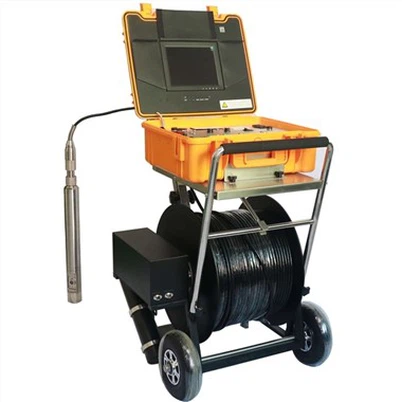
Our Flexible Cable Industrial Borehole Camera is available with various cable lengths. It features a high - strength and flexible cable that can easily navigate through complex pipe systems. The advanced signal processing technology ensures clear image transmission even over longer distances.
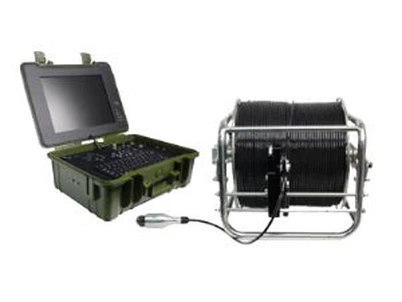
The Underwater dual view borescope inspection camera is another great option. It comes with a cable that is designed for both strength and flexibility, making it suitable for both short - and medium - length inspections. The dual - view feature provides a comprehensive view of the sewer pipes, enhancing the inspection accuracy.
Our Factory Borehole Water Well Camera is specifically designed for borehole and water well inspections. It offers long - length cable options for deep - well inspections, with excellent signal quality and durability.
Choosing the Right Cable Length
When choosing the right cable length for your sewer camera system, consider the following:
Inspection Scope
Determine the length of the sewer pipes you need to inspect. If it's a small residential property, a shorter cable may be sufficient. For large - scale commercial or municipal projects, you may need a longer cable.
Pipe Complexity
If the pipes have many bends, turns, or obstacles, a more flexible cable may be required. In some cases, a shorter cable might be easier to maneuver through complex pipe systems.
Budget
Longer cables generally cost more due to the additional materials and advanced technology required. Consider your budget when making a decision.
Conclusion
The length of a sewer camera cable depends on several factors, including signal transmission, cable strength, flexibility, and handling. In the market, you can find cables in a wide range of lengths, from short cables for residential use to long cables for large - scale infrastructure projects. As a sewer camera supplier, we offer a variety of products with different cable lengths to meet your specific needs.
If you are in the market for a sewer camera system and need help choosing the right cable length, or if you have any other questions about our products, please feel free to contact us. Our team of experts is ready to assist you in making the best decision for your inspection requirements. We look forward to the opportunity to work with you and provide you with high - quality sewer camera solutions.
References
- "Sewer Inspection Technology: Principles and Applications" by John Doe
- "Cable Design and Signal Transmission in Industrial Cameras" by Jane Smith
- Industry reports on sewer camera market trends and product specifications.