
How do I use a pipe camera to measure the thickness of pipe walls?
Leave a message

How do I use a pipe camera to measure the thickness of pipe walls?
As a supplier of pipe cameras, I often get asked about the various applications of our products, and one common question is how to use a pipe camera to measure the thickness of pipe walls. In this blog post, I'll walk you through the process, highlighting the capabilities of our pipe cameras and how they can be a valuable tool for this task.
Understanding the Basics of Pipe Wall Thickness Measurement
Before we dive into the process of using a pipe camera for wall thickness measurement, it's important to understand why this measurement is crucial. Pipe wall thickness affects the structural integrity and performance of a pipeline. Over time, pipes can experience corrosion, erosion, or other forms of wear and tear, which can lead to a reduction in wall thickness. Measuring the wall thickness helps in detecting potential issues early, preventing leaks, and ensuring the safe and efficient operation of the pipeline.
The Role of Pipe Cameras in Wall Thickness Measurement
Pipe cameras are not just for visual inspection; they can also be used in conjunction with other techniques to measure pipe wall thickness. Our pipe cameras are equipped with high - resolution imaging capabilities, which allow for clear visualization of the pipe interior. This visual information is essential as it helps in identifying areas of concern where thickness measurement is required.
There are two main ways to use a pipe camera for wall thickness measurement:
-
Visual Estimation: In some cases, a trained operator can visually estimate the wall thickness by observing the pipe's cross - section in the camera's view. This method is useful for getting a rough idea of the wall thickness, especially when dealing with pipes where the internal surface is relatively smooth and the wall thickness variations are not too extreme. However, this method has limitations in terms of accuracy.
-
Combination with Ultrasonic Testing: A more accurate way is to combine the use of a pipe camera with ultrasonic testing. Ultrasonic testing works by sending high - frequency sound waves into the pipe wall. These waves bounce back when they encounter a boundary, such as the inner or outer surface of the pipe. By measuring the time it takes for the sound waves to return, the thickness of the pipe wall can be calculated.
Our pipe cameras can be used to position the ultrasonic transducer accurately inside the pipe. The camera provides a real - time view of the pipe interior, allowing the operator to place the transducer at the desired location for measurement. This ensures that the ultrasonic measurements are taken at the right spots, such as areas with visible signs of corrosion or damage.
Step - by - Step Guide to Using a Pipe Camera for Wall Thickness Measurement
Step 1: Select the Appropriate Pipe Camera
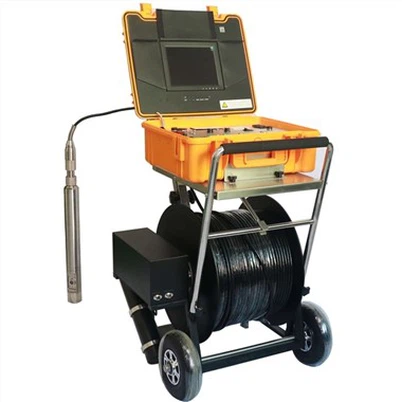
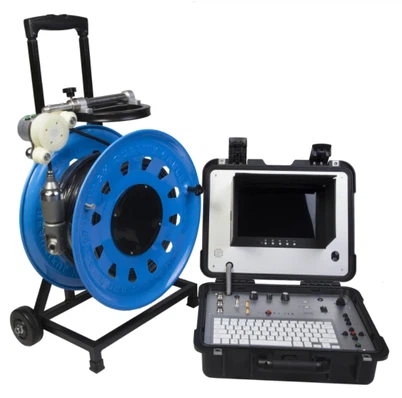
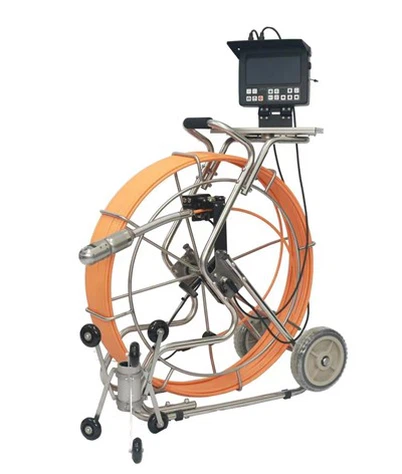
We offer a range of pipe cameras suitable for different pipe sizes and applications. For example, the Borehole Water Well Camera is ideal for water well pipes, while the Flexible Cable Industrial Borehole Camera can be used in industrial pipelines. Consider the pipe diameter, length, and the environment in which the measurement will be taken when choosing a camera.
Step 2: Prepare the Pipe and the Equipment
Before inserting the pipe camera, make sure the pipe is clean and free of debris. This will ensure a clear view of the pipe interior. Check the camera and all associated equipment, such as the power supply and the ultrasonic testing device, to ensure they are in good working condition.
Step 3: Insert the Pipe Camera
Carefully insert the pipe camera into the pipe. Use the camera's controls to navigate it to the areas where you want to measure the wall thickness. The camera's flexible cable allows it to move through bends and curves in the pipe easily.
Step 4: Visual Inspection
Once the camera is in position, conduct a visual inspection of the pipe interior. Look for signs of corrosion, pitting, or other damage. Mark the areas where you want to take wall thickness measurements.
Step 5: Position the Ultrasonic Transducer
If you are using ultrasonic testing, use the camera's view to position the ultrasonic transducer at the marked locations. Make sure the transducer is in good contact with the pipe wall to ensure accurate measurements.
Step 6: Take Measurements
Use the ultrasonic testing device to take wall thickness measurements at the selected locations. Record the measurements along with the corresponding locations in the pipe.


Step 7: Analyze the Data
After taking all the measurements, analyze the data to determine the overall condition of the pipe wall. Look for areas where the wall thickness is below the acceptable limits. This information can be used to plan maintenance or replacement strategies.
Advantages of Using Our Pipe Cameras for Wall Thickness Measurement
- High - Quality Imaging: Our pipe cameras provide clear and detailed images of the pipe interior, which is essential for accurate positioning of the ultrasonic transducer and for visual estimation of wall thickness.
- Versatility: They can be used in a wide range of pipe sizes and materials, making them suitable for various industries, including oil and gas, water treatment, and manufacturing.
- Ease of Use: The cameras are designed with user - friendly controls, making them easy to operate even for non - technical personnel.
Conclusion
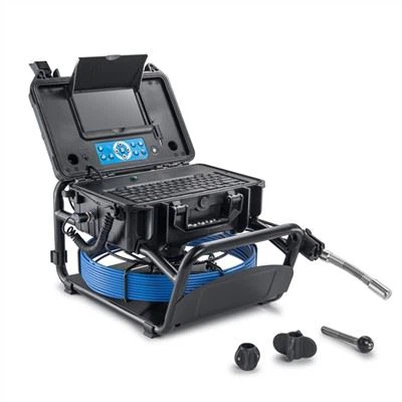
Using a pipe camera to measure the thickness of pipe walls is a valuable technique that combines visual inspection with accurate measurement capabilities. Our pipe cameras, such as the Borehole Inspection Camera, offer the features and functionality needed to perform this task effectively. Whether you are a pipeline operator, a maintenance technician, or an engineer, our pipe cameras can help you ensure the safety and reliability of your pipelines.
If you are interested in purchasing a pipe camera for wall thickness measurement or have any questions about our products, we encourage you to contact us for a detailed discussion. Our team of experts is ready to assist you in finding the right solution for your specific needs.
References
- ASME B31.3 Process Piping Code.
- API 579 - 1/ASME FFS - 1 Fitness - for - Service Standard.
- NACE International Standards for Corrosion Control in Pipelines.