
How do I secure the sewer camera in the pipe during inspection?
Leave a message

When it comes to sewer inspections, the proper securing of a sewer camera in the pipe is crucial for obtaining accurate and reliable results. As a leading supplier of sewer cameras and related inspection equipment, I've encountered numerous challenges and developed effective solutions for camera stability during inspections. In this blog, I'll share insights on how to secure sewer cameras in pipes to ensure smooth and successful inspections.
Understanding the Importance of Camera Stability
First and foremost, it's essential to recognize why securing the sewer camera in the pipe is so important. A stable camera setup allows for clear visualization of the pipe interior, making it easier to identify issues such as cracks, blockages, and root intrusions. Unstable cameras can lead to blurry images, missed defects, and inaccurate assessments, potentially resulting in costly repairs in the long run.
When the camera is not properly secured, it may move erratically, tilt, or rotate, causing the inspector to have difficulty getting a consistent view. This can waste valuable time and make it challenging to accurately document the condition of the sewer line. Additionally, a secure camera setup minimizes the risk of damage to the equipment, which is a significant investment for any inspection company.
Choosing the Right Camera for the Job
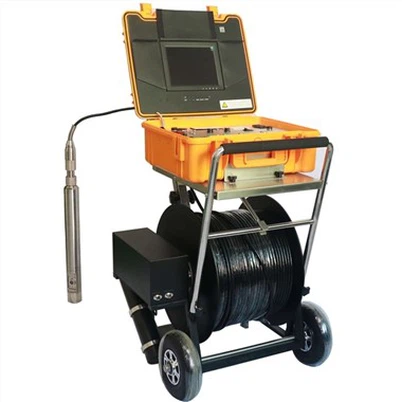
Before we delve into the securing methods, it's vital to select a sewer camera that suits the specific requirements of the inspection. Our product range includes a variety of cameras designed for different pipe sizes, depths, and working conditions. For instance, our Borewell Inspection Camera is ideal for more confined spaces and can provide high - resolution images even in low - light conditions.
The Borehole Water Well Camera is another option that offers enhanced durability and is suitable for deeper inspections. Understanding the features of each camera type is the first step towards a successful inspection. Factors such as camera diameter, cable length, light intensity, and image resolution should all be considered when choosing the appropriate camera.


Securing the Camera Using Guide Wheels
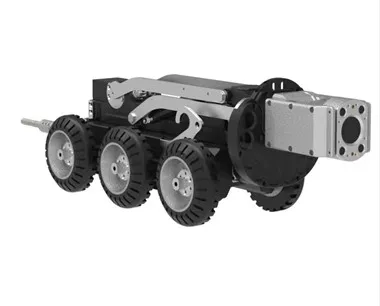
One of the most common and effective ways to secure a sewer camera in the pipe is by using guide wheels. Guide wheels are typically attached to the camera housing or the front of the push rod. These wheels help the camera move smoothly along the pipe walls, keeping it centered and stable. Our cameras often come with adjustable guide wheels that can be set to fit different pipe diameters.
When installing the guide wheels, make sure they are properly aligned and tightened. The alignment of the wheels ensures that the camera moves straight through the pipe without veering off to one side. Tightening the wheels prevents them from coming loose during the inspection, which could lead to camera instability. Additionally, regularly inspect the guide wheels for wear and tear, as damaged wheels may affect the camera's movement and stability.
Cable Management for Camera Stability
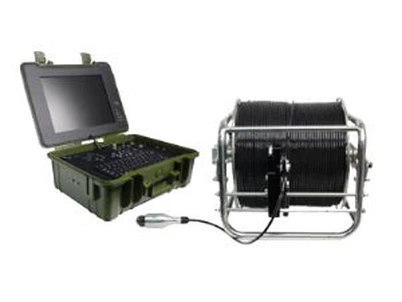
Proper cable management is also crucial for securing the sewer camera. The cable should be fed into the pipe in a controlled manner to avoid kinks and tangles. Kinked cables can put stress on the camera, causing it to tilt or shift. One approach is to use a cable reel that allows for smooth and uniform deployment of the cable.
Some of our advanced cable reels come with features like automatic brake systems, which can be engaged to hold the cable in place when needed. This is particularly useful when positioning the camera at a specific location in the pipe for detailed inspection. Additionally, marking the cable at regular intervals can help the inspector keep track of the camera's position in the pipe, making it easier to navigate and secure the camera.
Using Foam Sleeves or Spacers
In some cases, especially in larger pipes, foam sleeves or spacers can be used to secure the sewer camera. These sleeves are placed around the camera housing, providing a cushioning effect and helping to keep the camera centered. The foam material conforms to the shape of the pipe, reducing the risk of the camera moving around.
When using foam sleeves, it's important to choose the right size. The sleeve should fit snugly around the camera but not be so tight that it restricts the camera's movement or causes damage to the equipment. Spacers can also be strategically placed between the camera and the pipe walls to provide additional support and stability.
Anchor Systems for Long - Distance Inspections
For long - distance sewer inspections, anchor systems can be used to secure the camera. These systems typically consist of expandable arms or suction cups that can be attached to the pipe walls. Our Factory Borehole Water Well Camera can be paired with such anchor systems for extended and stable inspections.
The expandable arms can be adjusted to fit different pipe diameters, and they can be firmly locked in place once the desired position is reached. Suction cups, on the other hand, can provide a strong hold on smooth pipe surfaces. Before using an anchor system, it's crucial to clean the pipe walls to ensure proper adhesion or expansion of the anchor components.
Pre - Inspection Preparations
Before inserting the camera into the pipe, a thorough pre - inspection preparation is necessary. This includes checking the camera for any damage, ensuring that all the components are properly assembled, and testing the functionality of the camera and its associated equipment.
Inspect the guide wheels, cables, and other securing mechanisms to make sure they are in good working condition. If any parts are worn out or damaged, replace them before starting the inspection. Additionally, clean the pipe entrance to prevent debris from entering the pipe and interfering with the camera's movement or stability.
Real - Time Monitoring and Adjustment
During the inspection, real - time monitoring of the camera's position and stability is essential. The inspector should watch the video feed closely to detect any signs of camera movement or instability. If the camera starts to tilt or move erratically, immediate adjustments can be made.
For example, if the camera is leaning to one side, the inspector can gently manipulate the push rod or cable to correct its position. In some cases, adjusting the guide wheels or tightening the cable reel's brake may be necessary. By being vigilant and responsive during the inspection, the chances of obtaining clear and accurate images are significantly increased.
Conclusion
Securing the sewer camera in the pipe during inspection is a multi - faceted process that requires careful planning, the right equipment, and real - time monitoring. By choosing the appropriate camera, using effective securing methods such as guide wheels, cable management, foam sleeves, and anchor systems, and conducting thorough pre - inspection preparations, inspectors can ensure a stable and successful sewer inspection.
As a supplier of high - quality sewer cameras and inspection equipment, we are committed to providing our customers with the best solutions for their needs. Whether you are a small - scale contractor or a large - scale inspection company, our products are designed to meet the highest standards of quality and performance.
If you are interested in learning more about our sewer cameras or other inspection equipment, or if you have any questions regarding camera securing techniques, we invite you to contact us for a detailed discussion. We are more than happy to assist you in selecting the right products for your specific applications and to provide any technical support you may need. Start your journey towards more efficient and accurate sewer inspections with our top - notch equipment today.
References
- "Sewer Inspection Best Practices" by National Association of Sewer Service Companies
- "Pipe Inspection Equipment Handbook" by International Pipe Inspection Association
- Technical documents and manuals provided by our in - house R & D team