
How do I install a pipe camera?
Leave a message

Installing a pipe camera can seem like a daunting task, but with the right guidance and the right equipment, it can be a straightforward process. As a pipe camera supplier, I've had the opportunity to work with numerous clients, guiding them through the installation process. In this blog post, I'll share my insights on how to install a pipe camera effectively.
Pre - installation Preparations
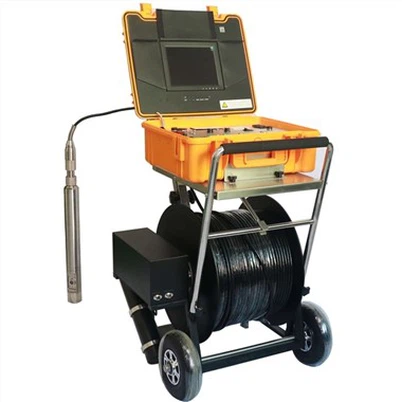
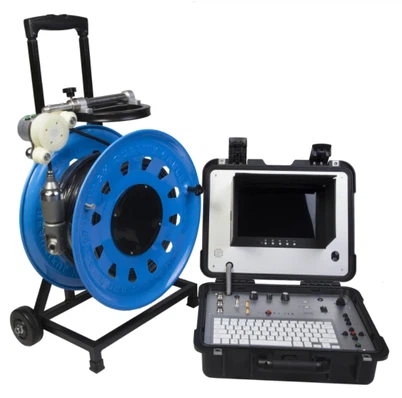
Before you start the installation, it's crucial to gather all the necessary tools and materials. You'll need a pipe camera, which comes in different types such as Flexible Cable Industrial Borehole Camera, Borehole Deep Water Inspection Camera, and Borehole Water Well Camera. Each type is designed for specific applications, so make sure you choose the one that suits your needs.
Other tools required include a power source, a reel for the camera cable, and appropriate connectors. It's also a good idea to have a measuring tape to determine the length of the pipe you'll be inspecting. Additionally, ensure that the area around the pipe is clean and free from any debris that could interfere with the installation process.
Step 1: Select the Right Entry Point
The first step in installing a pipe camera is to choose the appropriate entry point. This could be an existing access point such as a cleanout or a manhole. If there is no existing access point, you may need to create one. However, this should be done with caution as it may damage the pipe.
When selecting the entry point, consider the location of the problem area in the pipe. If possible, choose an entry point that is closest to the suspected issue. This will reduce the length of the cable that needs to be fed into the pipe and increase the accuracy of the inspection.
Step 2: Prepare the Camera and Cable
Once you've selected the entry point, it's time to prepare the camera and cable. Start by checking the camera for any visible damage. Make sure the lens is clean and the lights are working properly. If the camera has a protective casing, ensure it is securely attached.
Next, unwind the cable from the reel. Inspect the cable for any cuts, kinks, or other damages. If you find any issues, do not use the cable as it may cause problems during the inspection. If the cable is in good condition, attach it to the camera using the appropriate connectors.
Step 3: Feed the Camera into the Pipe
With the camera and cable prepared, it's time to feed the camera into the pipe. Carefully lower the camera into the entry point, making sure it is centered in the pipe. As you feed the cable, keep it taut to prevent it from getting tangled.
Use the reel to control the speed at which the cable is fed into the pipe. It's important to feed the cable slowly and steadily to avoid any sudden movements that could damage the camera or the pipe. As the camera moves through the pipe, monitor the video feed on the display unit.
Step 4: Monitor the Inspection
Once the camera is inside the pipe, you can start the inspection. Watch the video feed carefully to look for any signs of damage, blockages, or other issues. The camera's lights will illuminate the inside of the pipe, making it easier to see any problems.
If you notice any issues, mark the location on the cable using a piece of tape or a marker. This will help you identify the exact location of the problem later. You can also take screenshots or record the video for further analysis.
Step 5: Retrieve the Camera
After the inspection is complete, it's time to retrieve the camera from the pipe. Slowly reel in the cable, making sure to keep it taut. As the camera approaches the entry point, be careful not to damage it.


Once the camera is out of the pipe, clean it thoroughly to remove any dirt or debris. Store the camera and cable in a safe place for future use.
Troubleshooting
During the installation process, you may encounter some problems. Here are some common issues and their solutions:
- Poor video quality: If the video quality is poor, check the camera lens for dirt or debris. Clean the lens using a soft cloth. Also, make sure the camera's lights are working properly.
- Cable tangles: If the cable gets tangled, stop feeding it into the pipe immediately. Carefully unwind the tangle, making sure not to damage the cable. If the tangle is severe, you may need to remove the camera from the pipe and start over.
- Power issues: If the camera or the display unit loses power, check the power source. Make sure the power cord is securely connected and the power supply is working properly.
Conclusion
Installing a pipe camera is a relatively simple process if you follow the right steps. By choosing the right entry point, preparing the camera and cable properly, and monitoring the inspection carefully, you can effectively use a pipe camera to detect problems in pipes.
If you're in the market for a pipe camera, we offer a wide range of high - quality products, including Flexible Cable Industrial Borehole Camera, Borehole Deep Water Inspection Camera, and Borehole Water Well Camera. Our team of experts is always ready to assist you with any questions you may have about installation, operation, or maintenance.
If you're interested in purchasing a pipe camera or have any further questions, please feel free to contact us for a detailed discussion. We look forward to helping you find the perfect solution for your pipe inspection needs.
References
- Pipe Inspection Handbook: A Guide to Using Pipe Cameras, [Publisher Name], [Year of Publication]
- Plumbing and Drainage Inspection Techniques, [Author Name], [Year of Publication]