
Can a pipe camera be used in reverse osmosis pipes?
Leave a message

As a pipe camera supplier, I often encounter inquiries regarding the compatibility and applicability of our products in various pipe systems. One question that has come up frequently is whether a pipe camera can be used in reverse osmosis (RO) pipes. In this blog post, I will delve into this topic, exploring the feasibility, benefits, and considerations of using a pipe camera in reverse osmosis pipes.
Understanding Reverse Osmosis Pipes
Reverse osmosis is a water purification process that uses a semi - permeable membrane to remove ions, molecules, and larger particles from water. RO pipes are an integral part of this system, transporting water to and from the RO membrane. These pipes are typically made of materials such as PVC, CPVC, or stainless steel, designed to withstand the pressure and chemical environment associated with the reverse osmosis process.
The inside of RO pipes can be subject to various issues over time. These include scaling, fouling by organic matter, microbial growth, and mechanical damage. Detecting these problems early is crucial for maintaining the efficiency and longevity of the reverse osmosis system.
Feasibility of Using a Pipe Camera in RO Pipes
The short answer is yes, a pipe camera can be used in reverse osmosis pipes. Pipe cameras, also known as borescopes, are designed to provide visual inspection of the interior of pipes, tubes, and other confined spaces. They come in various types, including rigid and flexible, and can be equipped with different features such as high - resolution cameras, adjustable lighting, and zoom capabilities.
Compatibility with Pipe Materials
Most modern pipe cameras are designed to be compatible with a wide range of pipe materials, including those commonly used in RO systems. For example, the cameras are made of non - corrosive materials that will not react with the chemicals present in the RO pipes. The cables and housings are also designed to withstand the pressure and temperature conditions typically found in these systems.
Size and Maneuverability
Pipe cameras are available in different sizes to suit various pipe diameters. For reverse osmosis pipes, which can range from small - diameter tubes to larger pipes, there are cameras that can easily fit inside and navigate through the bends and turns. Flexible pipe cameras are particularly useful in this regard, as they can be bent to follow the contours of the pipe without causing damage.
Benefits of Using a Pipe Camera in RO Pipes
Early Problem Detection
One of the primary benefits of using a pipe camera in RO pipes is the ability to detect problems early. By visually inspecting the inside of the pipes, operators can identify issues such as scaling, fouling, or damage before they cause significant problems. This allows for timely maintenance and repairs, which can prevent costly system failures and downtime.
Accurate Diagnosis
A pipe camera provides real - time visual information about the condition of the pipes. This allows for accurate diagnosis of the problem, as the operator can see exactly what is happening inside the pipe. For example, if there is a blockage, the camera can show the location and nature of the blockage, whether it is due to a buildup of sediment or a physical obstruction.

Cost - Effective Maintenance
By using a pipe camera, maintenance can be targeted more effectively. Instead of performing general maintenance on the entire system, operators can focus on the specific areas that need attention. This can save time and money by reducing the amount of unnecessary maintenance and replacement of parts.
Considerations When Using a Pipe Camera in RO Pipes
Hygiene and Sanitation
Since reverse osmosis systems are used for water purification, hygiene and sanitation are of utmost importance. Before using a pipe camera in RO pipes, it is essential to ensure that the camera is properly cleaned and disinfected to prevent contamination of the water. This may involve using specific cleaning agents and following strict cleaning procedures.
Pressure and Flow
The pressure and flow of water in the RO pipes can affect the performance of the pipe camera. High - pressure water can make it difficult to insert and maneuver the camera, while low - flow conditions may not provide enough visibility. It may be necessary to adjust the water flow or pressure during the inspection to ensure optimal results.
Camera Selection
Choosing the right pipe camera for the RO pipes is crucial. Factors to consider include the pipe diameter, length, and the presence of bends or turns. For longer pipes, a camera with a longer cable may be required. Additionally, cameras with features such as Underwater dual view borescope inspection camera can provide better visibility in different lighting conditions.
Types of Pipe Cameras Suitable for RO Pipes
Flexible Borescopes
Flexible borescopes are ideal for inspecting reverse osmosis pipes with bends and curves. They can be easily inserted into the pipe and manipulated to provide a comprehensive view of the interior. These borescopes are often equipped with high - resolution cameras and adjustable lighting, allowing for clear and detailed inspection.
Rigid Borescopes
Rigid borescopes are suitable for straight - run RO pipes. They offer a more stable and direct view of the pipe interior and are often used for quick inspections. Rigid borescopes can also be equipped with various attachments, such as mirrors and lenses, to provide different viewing angles.
Specialized Cameras
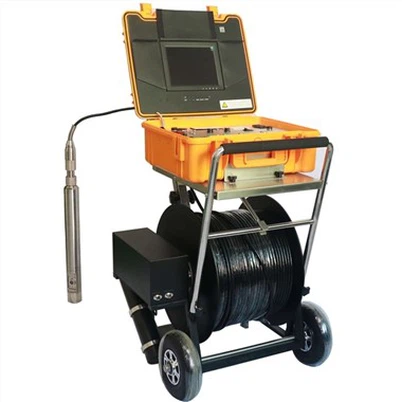
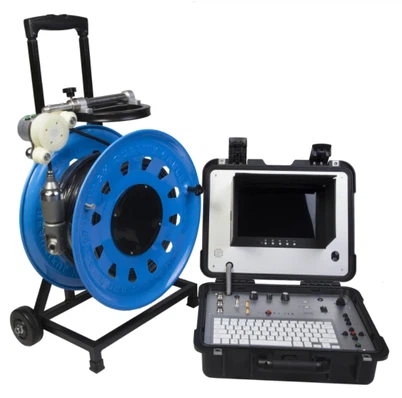
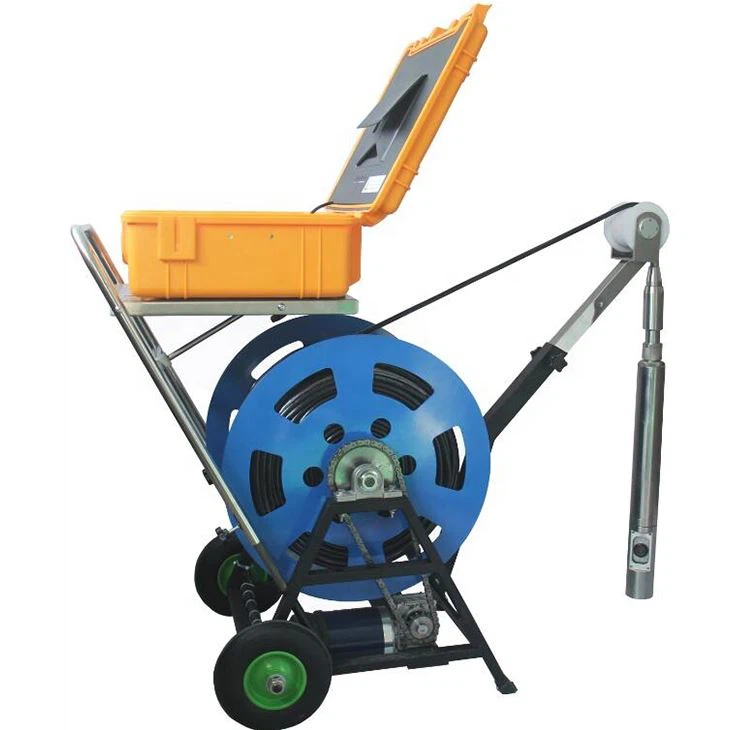
There are also specialized pipe cameras available for specific applications in reverse osmosis systems. For example, Borehole Water Well Camera and Borewell Inspection Camera can be used for deeper and more complex inspections, such as in large - scale RO plants.
Conclusion
In conclusion, a pipe camera can be a valuable tool for inspecting reverse osmosis pipes. It offers the ability to detect problems early, provide accurate diagnosis, and enable cost - effective maintenance. However, it is important to consider factors such as hygiene, pressure, and camera selection to ensure a successful inspection.
If you are interested in using a pipe camera for your reverse osmosis system, I encourage you to contact us. Our team of experts can help you select the right camera for your specific needs and provide guidance on its proper use. We are committed to providing high - quality pipe cameras and excellent customer service to ensure the optimal performance of your reverse osmosis system.
References
- ASME (American Society of Mechanical Engineers). B31.11: Slurry Transportation Piping Systems.
- ASTM (American Society for Testing and Materials). Standards related to pipe materials and testing.
- Manufacturer's manuals for pipe cameras and reverse osmosis systems.